

 THE NATIONAL UNION OF
JOURNALISTS OF UKRAINE
THE NATIONAL UNION OF
JOURNALISTS OF UKRAINE
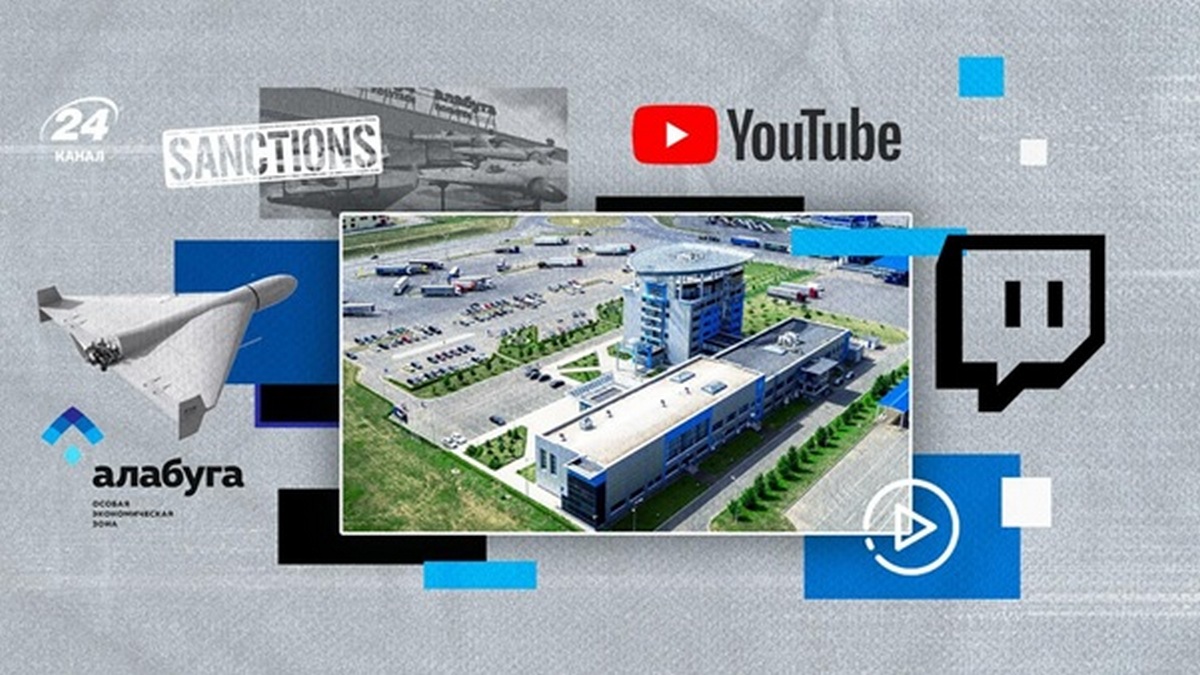
For years, YouTube has not noticed an advertising funnel that leads to a sanctioned economic zone in Tatarstan – where underage students are assembling attack drones.
Journalist and presenter for Channel 24 / member of the National Union of Journalists of Ukraine (NUJU), Vladyslav Novikov, managed to record hundreds of videos of russian bloggers – with subtitles, timecodes and file hashtags. The initial database of links was collected by the community of blogger Oleksii Hubanov / JesusAVGN. Now these materials are becoming a tool for appeals to American regulators, European institutions and international organizations for the protection of children’s rights.
“But so far I do not see a systemic reaction either in the US or from YouTube, commensurate with the scale of this evidentiary base,” says Novikov.
The journalist told the NUJU news service about the logic of the project, the main sanction loophole and Google’s passivity.

What really stands behind Alabuga Polytech
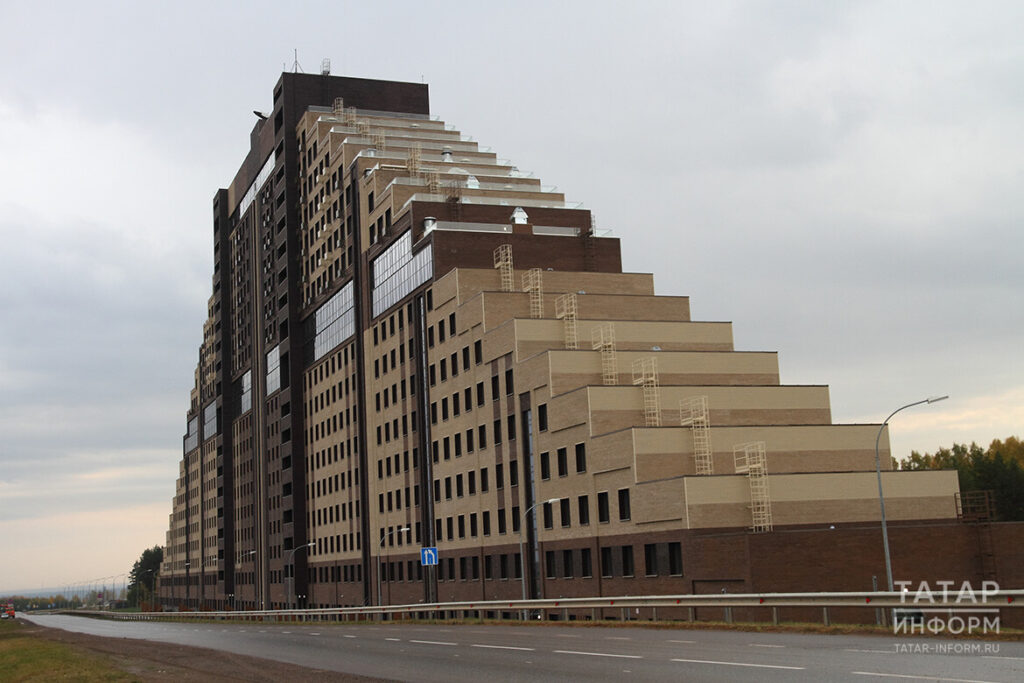
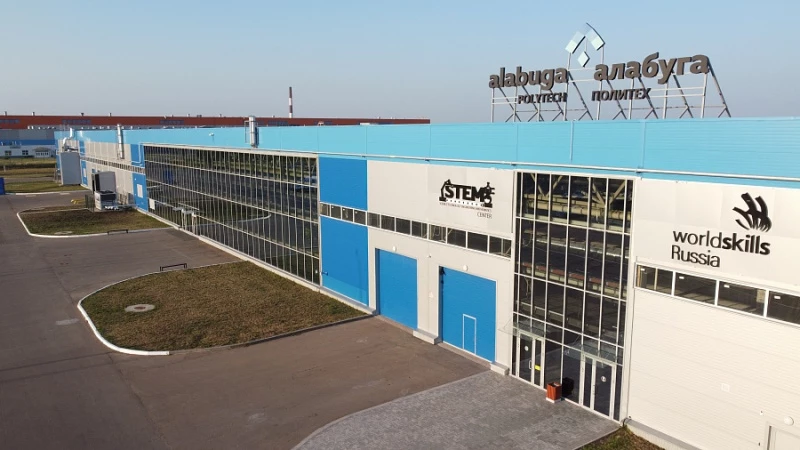
Outwardly, Alabuga Polytech looks like a technical college in Tatarstan: a modern campus, Counter-Strike tournaments, scholarships, and dormitories. On the official main page there is no mention of “Geran” or “Shahed” drones – an exclusively educational format.
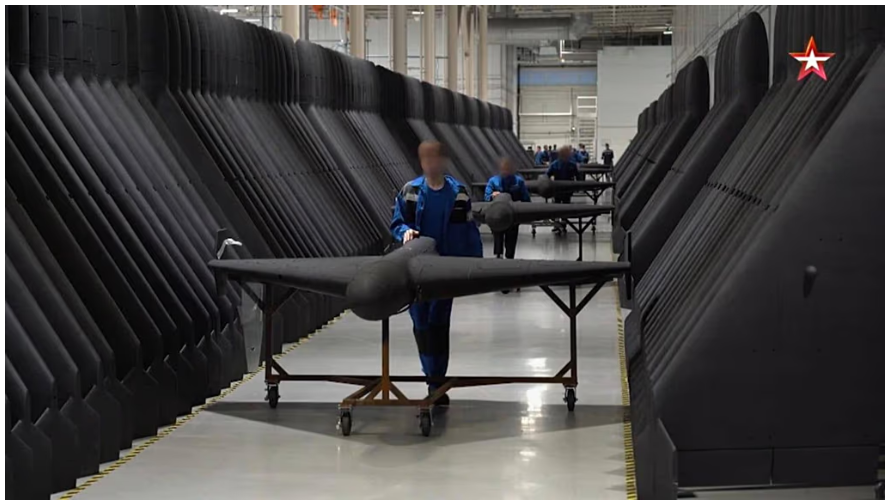
“But this is just a facade,” states Vladyslav Novikov. “The college is built into the ecosystem of the special economic zone Alabuga, which is under sanctions from the US, EU and Great Britain for participating in the production of russian attack drones. It is in this zone that the drones “Shahed-136” and “Shahed-131”, which in russia were renamed as “Geran-2” and “Geran-1”, are assembled.”
The US Treasury Department has officially recorded that the special economic zone Alabuga exploited underage students from an affiliated polytechnic university as a labor force to assemble attack UAVs in exploitative conditions.
Here lies the key gap, to which Novikov draws attention in a conversation with the NUJU. The zone itself is under sanctions – and Alabuga Polytech, located literally across the street from the production lines, is formally not.
During his own investigation, Novikov discovered that the russians exposed themselves: on the official domain of Alabuga Polytech, they posted a landing page for advertising campaigns, where they explicitly indicated that students could collaborate in the development of drones – “work with ‘geranium’”. The page is documented and screenshots are stored in the archive.
“Despite this, russian bloggers have been advertising Alabuga Polytech for years on YouTube and Twitch, and they preferred not to notice this,” the researcher emphasizes. “Until the end of April this year.”
A few days to prevent evidence from disappearing
On the night of April 26, Twitch blocked russian streamers who were broadcasting the tournament under the brand name Alabuga Polytech Cap. In contrast, there were many times more Alabuga advertisements on YouTube. A few hours after the blocking on Twitch, Vladyslav Novikov was given an array of 606 links to YouTube videos of russian bloggers with mentions of Alabuga.
Reasonably assuming that YouTube bloggers were about to start deleting it en masse, Novikov wrote a script that sequentially downloaded each video along with subtitles, description, metadata, translations and covers. Each received a local copy, a SHA-256 hash and a separate folder. A parallel algorithm “read” the subtitles in search of mentions of the college and integration markers. On April 28, the main array was downloaded – later these materials formed the basis of a journalistic investigation.
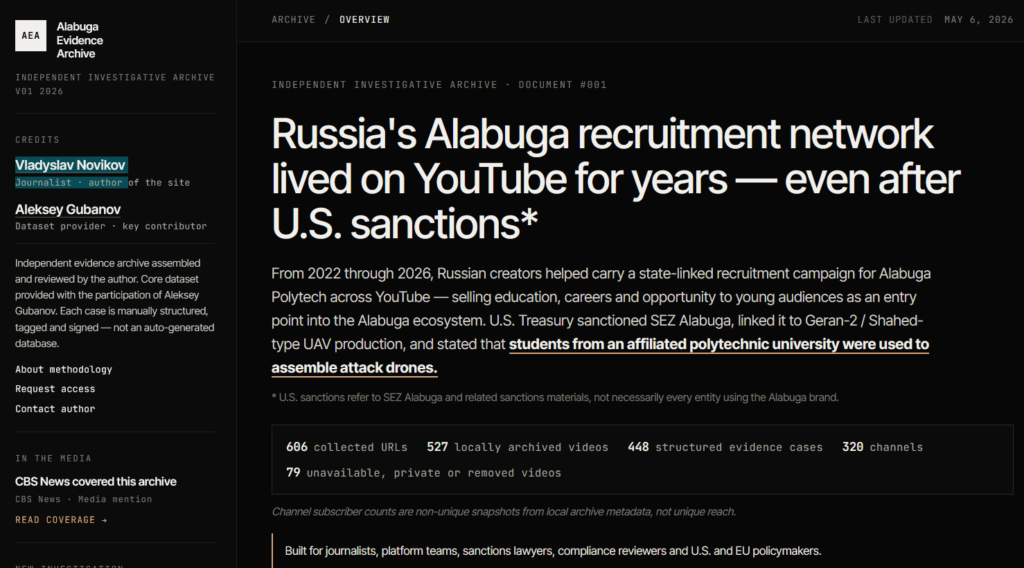
And the very next day, russian bloggers began mass cleaning of channels – deleting videos, removing links, re-uploading videos without advertising segments. Out of the 606 links, 526 videos were fully archived – the rest had already been deleted, privatized or blocked by region. A separate algorithm found 11,611 mentions of Alabuga in 396 videos from 320 unique channels. The output was a structured Excel file with 849 evidence blocks and 448 priority cases, each with a timecode, quote, channel link and file hash. Everything is publicly available on the website Alabugacase.org. CBS News has already reported on this archive, calling the case a possible loophole in American sanctions. They mentioned the Alabuga Evidence Archive as a source of the saved materials.
“Unfortunately, it must be stated that YouTube is as passive as possible in this story,” says Novikov. “YouTube’s position is as follows: since the advertising was not purchased through the official Google Ads, but implemented in the videos by individual bloggers, it is very difficult to detect it, and YouTube seems to have nothing to do with it. And this is even given the fact that the US Department of Treasury officially recorded that students from Alabuga Polytech are involved in the production of attack drones. YouTube is completely indifferent…”
Humanitarian component: children who are not protected by the law
In the videos for russian applicants Alabuga Polytech directly promises that underage students will earn They earn from RUB 150,000 – 350,000 a month (this is more than the average salary in the country), working in the production of combat drones.
“This is not just a story about drones, it is a violation of children’s rights,” Novikov emphasizes in a conversation with the NUJU. “Russia is militarizing the young population, involving them in production, normalizing the production of drones and thus legalizing murders.”
The archive contains a separate video where underage students themselves tell the camera how they work in military production. It is important to draw the attention of international organizations for the protection of children’s rights, relevant committees of the European Parliament and the US Congress to this.
“Inside russia, propaganda presents Ukraine’s attempts to strike military facilities in Alabuga with particular cynicism as “strikes on children,” Novikov explains. “The russians are also trying to protect the production of drones in this way.”
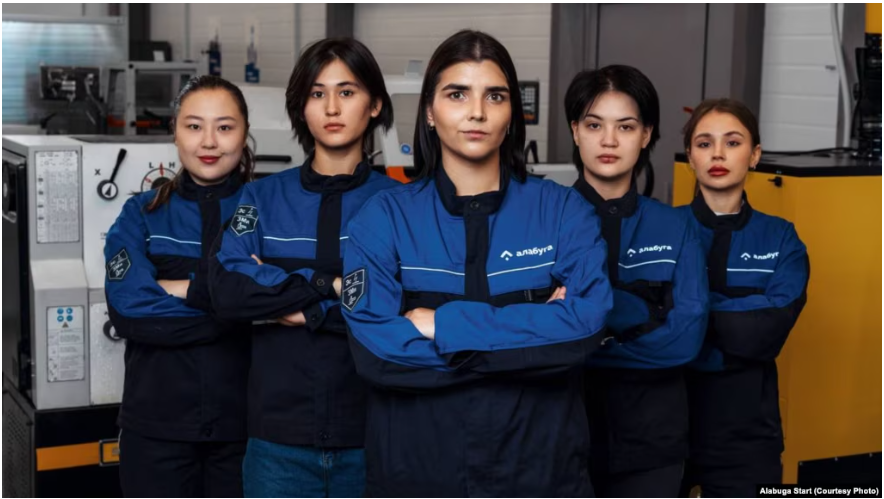
The Alabuga SEZ has already been included in the OFAC SDN list – the strictest US sanctions regime. Under this regime, American companies cannot provide services, including advertising, to sanctioned structures. But Alabuga Polytech is formally not the Alabuga SEZ, and therefore the so-called “college” is outside the sanctions. Therefore, YouTube is not legally obliged to remove its advertising. Vladyslav Novikov calls his main task the desire to achieve the inclusion of Alabuga Polytech in the US sanctions list.
“Alabuga is expanding – they are building new factories for which people are needed. Therefore, while they are not under sanctions, they will use this loophole and promote on YouTube,” warns the researcher. “It is a matter of time before we get an advertising network on Western platforms again. Therefore, it is important to act preventively.”
The evidence base is open. The Alabugacase.org archive allows journalists to find a specific blogger and view a recorded snippet of the integration with a timecode and quote – even if the original YouTube video has already disappeared.
“If this work helps to include Alabuga Polytech in the sanctions list and as a result russia produces at least ten fewer drones – this will be my success,” Novikov sums up.
Maksym Stepanov
NUJU Information Service









Discussion about this post