

 THE NATIONAL UNION OF
JOURNALISTS OF UKRAINE


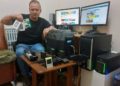
Serhii Vahanov spent 15 years working in traumatology in Avdiivka. At 40, he switched careers to become a photographer for the Donetsk newspaper ‘Salon Dona i Basa.’ He developed a love for photography since childhood, attending a photography club in the former Zhdanov (now Mariupol). By 2014, his name was recognized beyond Donetsk throughout Ukraine.
– I moved to Donetsk, worked hard, and bought an apartment, but in 2014, due to the city’s occupation, I had to leave everything and move to a one-room apartment in Mariupol that I inherited from my mother, – Serhii shares.
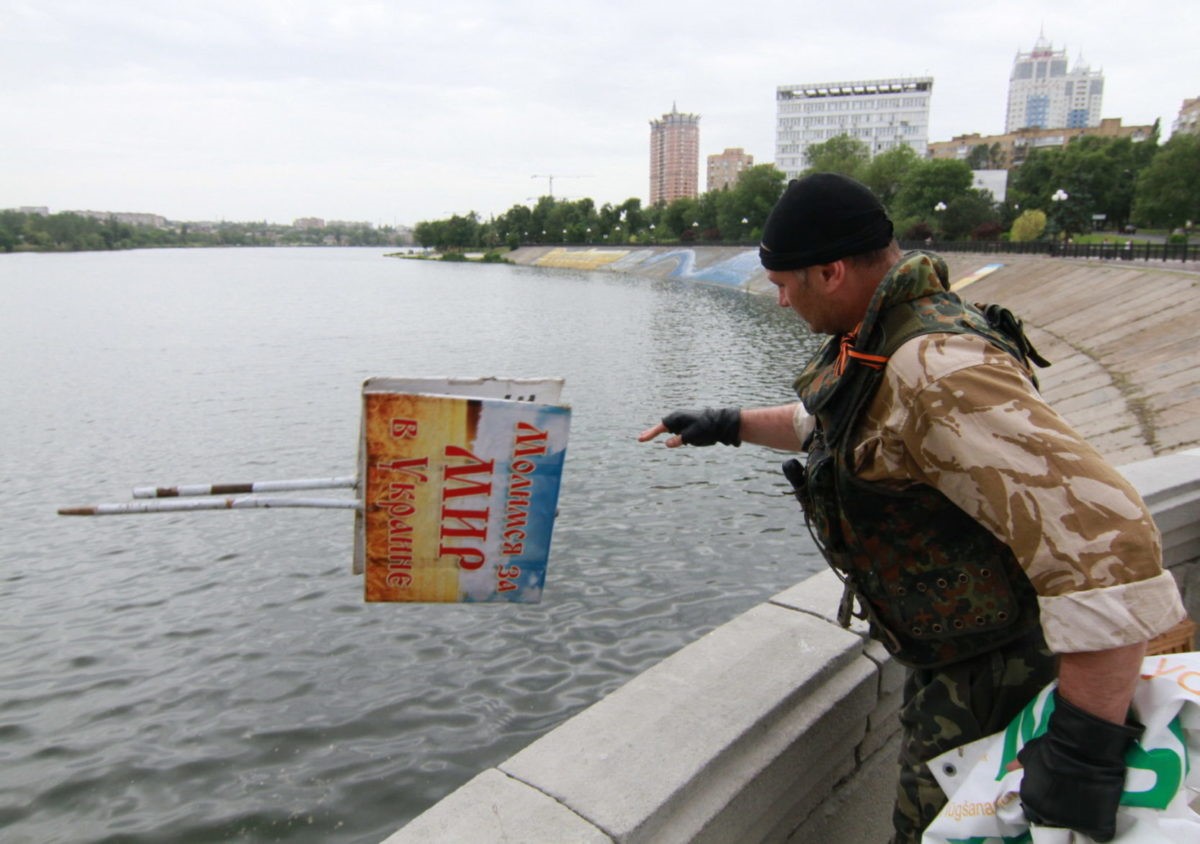
In Mariupol, Serhii continued his photography, but now he captured not the peaceful life of the beautiful seaside city but the frontline and the daily life of Ukrainian soldiers. His photographs began to be published by the most prestigious news agencies in Europe and the USA.
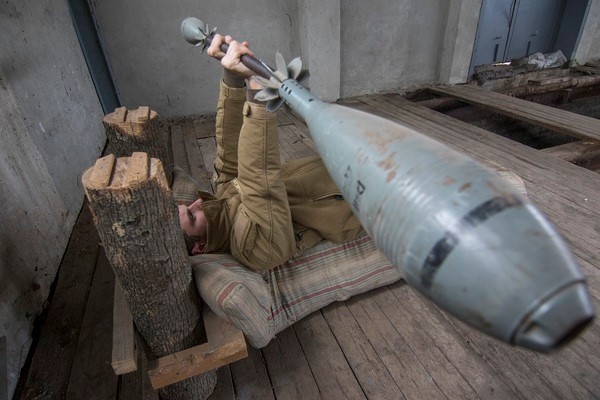
– I started going to the frontlines. I was often asked how I became a war photographer and would reply, ‘I was just lucky. At first, the war came to my home, and then I settled 25 kilometers away from the frontline.’ And later on, I not only started photographing but also creating video reports, – Serhii continued his life story.
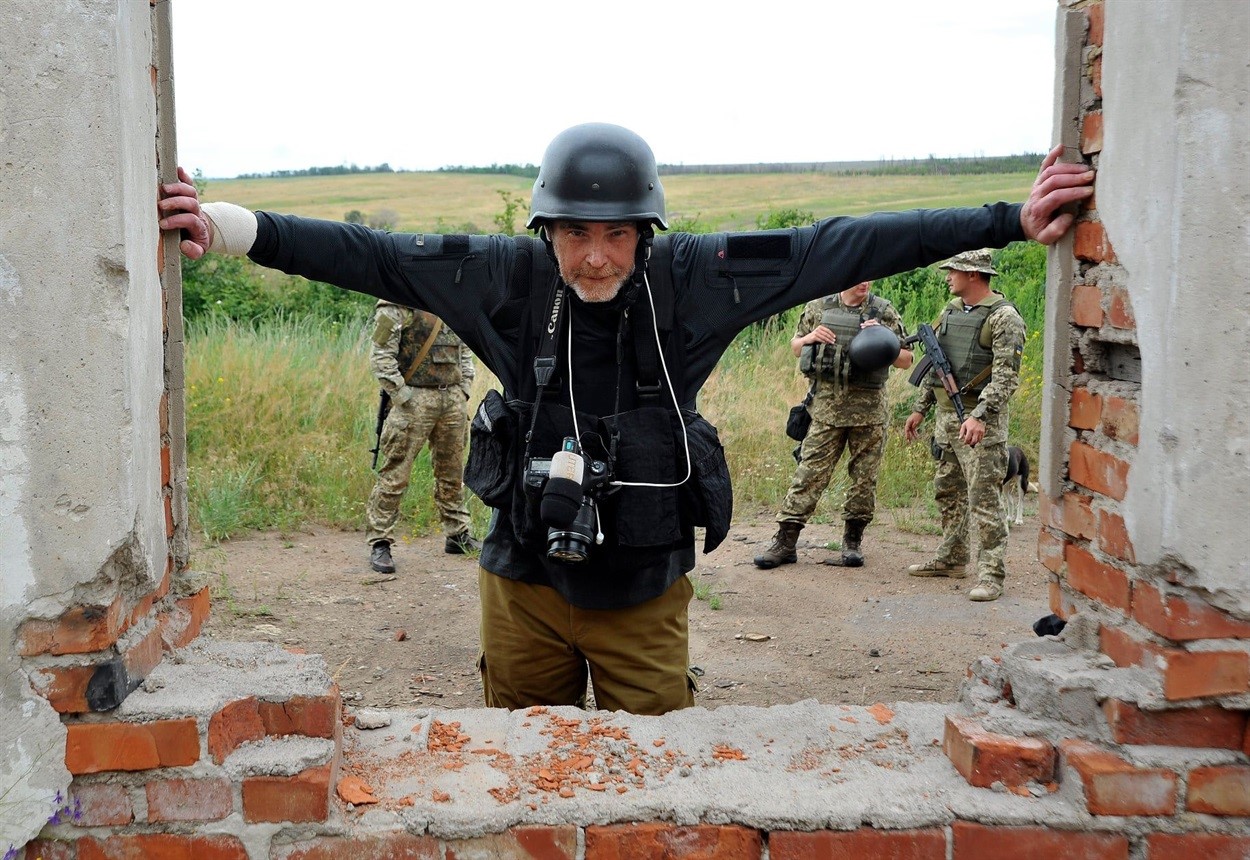
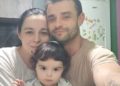
In 2017, Serhii retired and enjoyed leisure time. He cycled to the sea and played tennis with friends. In February 2022, he got married. However, hopes for a peaceful retirement were shattered like waves against a pier.
– On that morning, I took my camera and decided to stroll around the city. What surprised me was that it was half-empty. People could only be seen in lines near stores, pharmacies, and ATMs. I posted photos on social media and even suggested to a colleague to make a small report. The response was, ‘Let’s not scare the people.’ And this was despite artillery sounds in the outskirts and a bunch of journalists in the streets. No one expected that the occupiers could enter Mariupol so quickly. It was this unpreparedness that became fatal for the city and ruined the lives of many thousands of people – Serhii somberly acknowledges.
“I needed daily basic therapy, but since there were no medicines in the pharmacies and I couldn’t afford to buy them, I started saving harshly.”
The moment came when Serhii’s life hung by a thread. Not only because rockets were flying overhead but also because medicines were running out in the pharmacies.
– The thing is, I have bronchial asthma; I even have a disability because of it. I needed daily basic therapy, but since there were no medicines in the pharmacies and I couldn’t afford to buy them, I started saving harshly. Of course, this quickly affected my health. I started having problems with my skin, my heart, and if we hadn’t left Mariupol, I could have died, – Mr. Vahanov confesses.
The couple spent three weeks waiting for evacuation corridors, but official rescue never came. They were helped to evacuate by a familiar Mariupol doctor and activist, taking a personal risk.
– My friend Eduard Zarubin came to us on the morning of March 14th and said, ‘Get ready: we’re leaving now or never.’ We didn’t have to take a long time to pack because our things had been waiting for us for a while. We tried to assemble only the essentials: documents, camera, lens, and archival materials. We first went to Berdyansk, then to Zaporizhzhia, – he continues.
“We simply wouldn’t have survived without support.”
Their journey brought them to Uzhhorod. Serhii received an invitation from a doctor who had advised him for 25 years. In the Uzhhorod clinic for bronchial asthma patients, a room was provided for Serhii and his wife, with essential items donated by kind-hearted individuals.
– I really love making pancakes, so they even gave me a special pan for them. We managed to persuade my friend Eduard and his wife; now, both of them work as doctors here. So, you could say that thanks to me, Uzhhorod has gained two great specialists – the photographer jokes.
Soon, many Zakarpattians learned about Serhii Vahanov and his photographs.
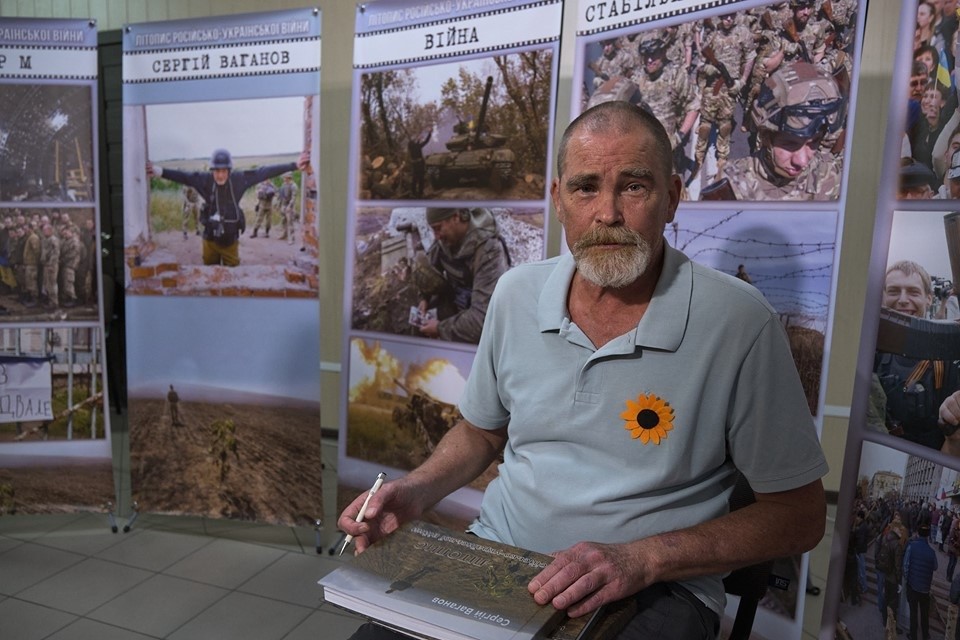
— Once, my friends sent me a huge box by mail: it contained 35 of my photos of peaceful Mariupol and soldiers I had photographed at the frontline. It turned out they had been planning an exhibition for a while, and the opportunity arose. It was incredibly pleasant to walk around and see how people looked at the photos, talked, and inquired. A very interesting experiment,— Serhii shares.
In June, another surprise awaited the couple. A developer from Vinnytsia unexpectedly gifted them an apartment in a new building. At that moment, Serhii says, he once again realized that there are many kind and empathetic people in the world.
— What happened is fantastic,— Serhii enthusiastically talks about the event. — I asked this developer, ‘Volodya, why are you doing this?’ and he replied, ‘I want to set an example for others that they can do it too, and they don’t need permission from authorities for that.’
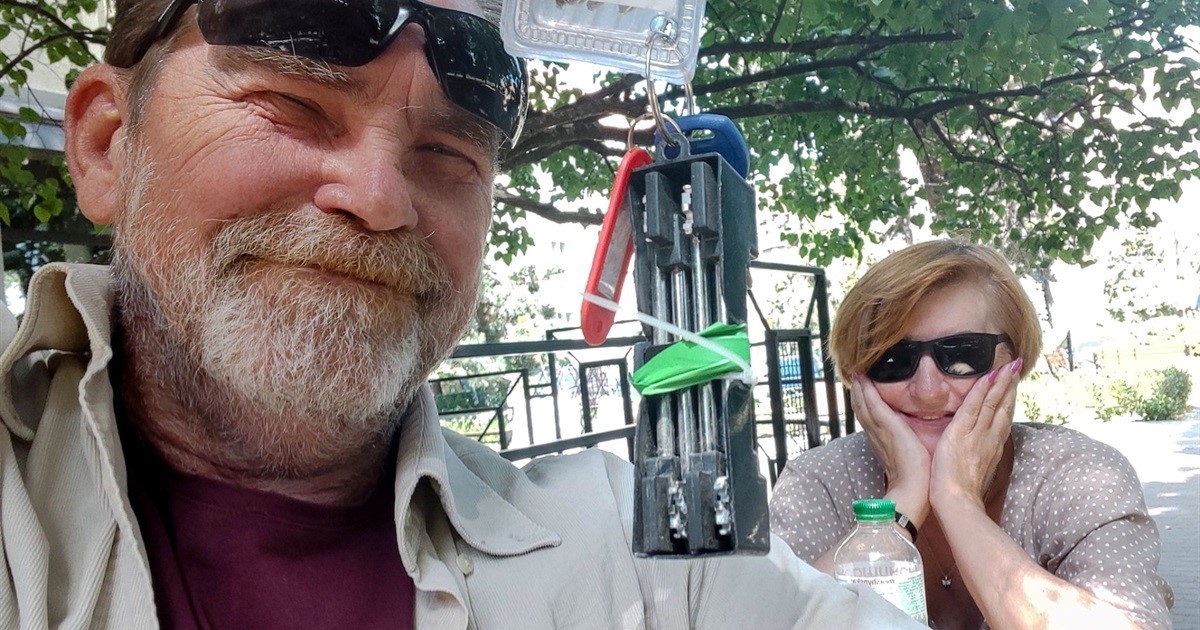
Starting life anew for the third time is very challenging, the photographer says, but he believes that anything is possible when there are caring people by your side.
— We simply wouldn’t have survived without support. And I think there are many such people. To lose everything twice and at such an age… To lose not only your life but also memories. In Mariupol, I had a few albums with photos of my parents, grandfather, and grandmother. The photos were preserved because I managed to take them. But the albums are gone now. We have all lost too much, but we need to gather wisdom and patience to endure this and start a new life,— says photojournalist Serhii Vahanov.
This series, titled Executed Free Speech, is created as part of a project Drawing Ukrainian And International Audience’s Attention To Serious Violations Of Human Rights And Crimes Against Journalists And Mass Media By The Russian Federation, which is performed by the National Union of Journalists of Ukraine, with support from the Swedish non-profit organization Civil Rights Defenders.
JOURNALISTS ARE IMPORTANT. Stories of Life and Work in Conditions of War is a cycle of materials prepared by the team of the NUJU with the support of the Swedish human rights organization Civil Rights Defenders.
#CRD





Discussion about this post