

 THE NATIONAL UNION OF
JOURNALISTS OF UKRAINE
THE NATIONAL UNION OF
JOURNALISTS OF UKRAINE
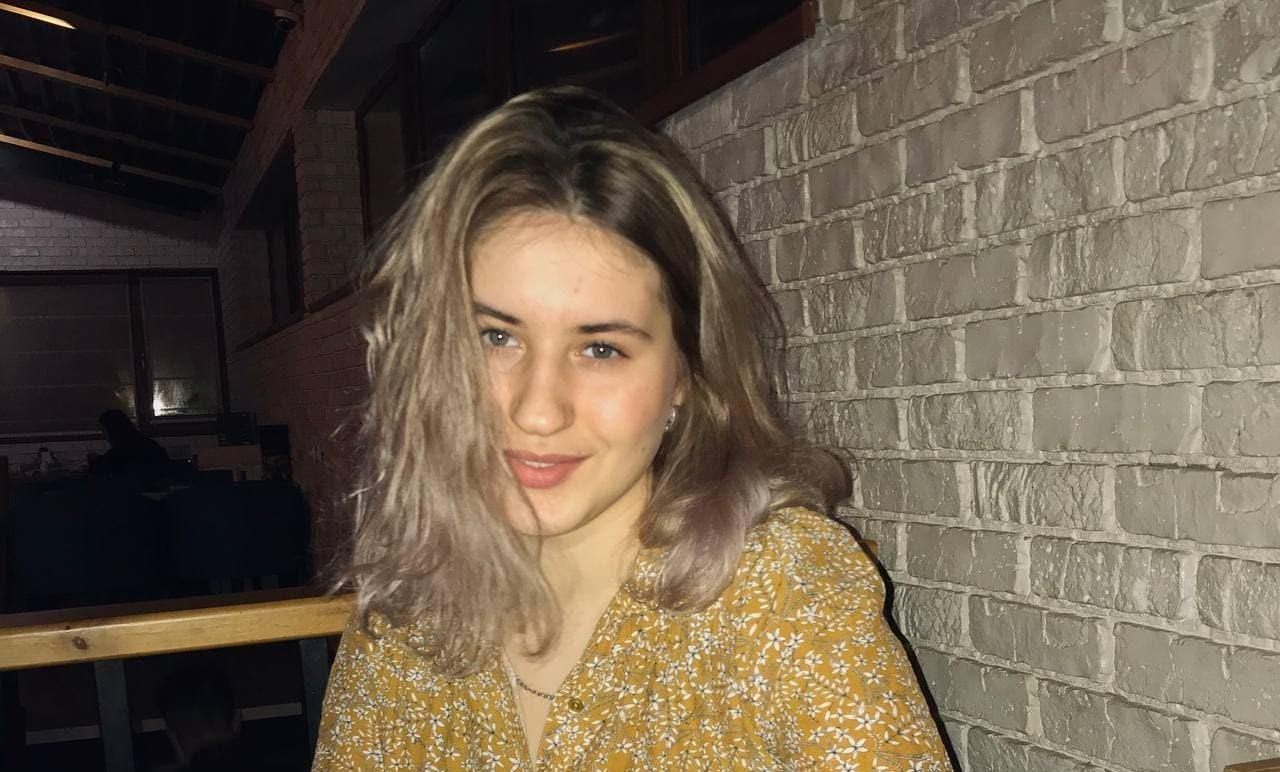
The heavy shelling of Sloviyansk forced journalist of the local channel S-Plus Iryna Holovko to leave for the safer city of Lviv. The media woman’s sister persuaded her to go further abroad, but in vain. Soon, Iryna found a job on the Mariupol TV-7 channel, which had moved out of Mariupol. And she continued to hold the information rear.
Iryna felt the approach of the Great War two days before the full-scale invasion. She carefully watched the performance of the bunker granddad from kremlin.
“I got so scared then,” the media woman recalls. “I knew that a war would begin, a full-scale invasion, but I did not expect that it would be so full-scale. On February 24, I woke up at 4 a.m., my sister called me, and she started telling me what was happening in Kharkiv.
I remember going to the store, and I had a feeling that some shell could hit anywhere here now. It was such a state of nervous breakdown.
At that time, Iryna was working in Sloviyansk, on the local TV channel S-Plus. On the day of the full-scale invasion, she, the director, and several other people went to work. At one moment, there were many times more work, and fewer people.
“The first months were difficult. There was a lot of information. It was difficult to work. There were only two of us from the entire TV channel. We collected information. Mayor had a press conference held every day,” says our interlocutor.
However, in two months, it became extremely dangerous to stay in Sloviyansk and the work was suspended.
“When the city is shelled a lot the decisions are made faster. I remember going to a store, and I had a feeling that something would arrive just nearby. It was such a state of nervous breakdown. Massive rocket attacks began on Kramatorsk and Sloviyansk. Then we decided that we would close the TV channel while the hostilities are active,” the media woman recalls.
Iryna came to Lviv with her sister. But the latter persuaded her to go further to Poland. The journalist felt that she was needed more in Ukraine, so she stayed. Within a week, she was offered a job at the Mariupol TV-7 channel, which was resuming its work. The new team became a second family for Iryna.
“It was very important for me that the people working with me understood me, because such an emotional state, which was from the beginning of the full-scale invasion, had never happened before in my life. The people of Mariupol didn’t even have to say anything. I can call the director and say: “Ah, I need to talk,” and she will always support me. It is very important for me. And when I came to Kyiv from Lviv and got to know part of the team offline – these are such pleasant meetings. We are very friendly. The team gives me the strength to work, to live on, to experience everything that is happening in our country now,” says the journalist with great gratitude.


The heavy shelling of Sloviyansk forced journalist of the local channel S-Plus Iryna Holovko to leave for the safer city of Lviv. The media woman’s sister persuaded her to go further abroad, but in vain. Soon, Iryna found a job on the Mariupol TV-7 channel, which had moved out of Mariupol. And she continued to hold the information rear.
Iryna felt the approach of the Great War two days before the full-scale invasion. She carefully watched the performance of the bunker granddad from kremlin.
“I got so scared then,” the media woman recalls. “I knew that a war would begin, a full-scale invasion, but I did not expect that it would be so full-scale. On February 24, I woke up at 4 a.m., my sister called me, and she started telling me what was happening in Kharkiv.
I remember going to the store, and I had a feeling that some shell could hit anywhere here now. It was such a state of nervous breakdown.
At that time, Iryna was working in Sloviyansk, on the local TV channel S-Plus. On the day of the full-scale invasion, she, the director, and several other people went to work. At one moment, there were many times more work, and fewer people.
“The first months were difficult. There was a lot of information. It was difficult to work. There were only two of us from the entire TV channel. We collected information. Mayor had a press conference held every day,” says our interlocutor.
However, in two months, it became extremely dangerous to stay in Sloviyansk and the work was suspended.
“When the city is shelled a lot the decisions are made faster. I remember going to a store, and I had a feeling that something would arrive just nearby. It was such a state of nervous breakdown. Massive rocket attacks began on Kramatorsk and Sloviyansk. Then we decided that we would close the TV channel while the hostilities are active,” the media woman recalls.
Iryna came to Lviv with her sister. But the latter persuaded her to go further to Poland. The journalist felt that she was needed more in Ukraine, so she stayed. Within a week, she was offered a job at the Mariupol TV-7 channel, which was resuming its work. The new team became a second family for Iryna.
“It was very important for me that the people working with me understood me, because such an emotional state, which was from the beginning of the full-scale invasion, had never happened before in my life. The people of Mariupol didn’t even have to say anything. I can call the director and say: “Ah, I need to talk,” and she will always support me. It is very important for me. And when I came to Kyiv from Lviv and got to know part of the team offline – these are such pleasant meetings. We are very friendly. The team gives me the strength to work, to live on, to experience everything that is happening in our country now,” says the journalist with great gratitude.












Discussion about this post