 THE NATIONAL UNION OF
JOURNALISTS OF UKRAINE
THE NATIONAL UNION OF
JOURNALISTS OF UKRAINE
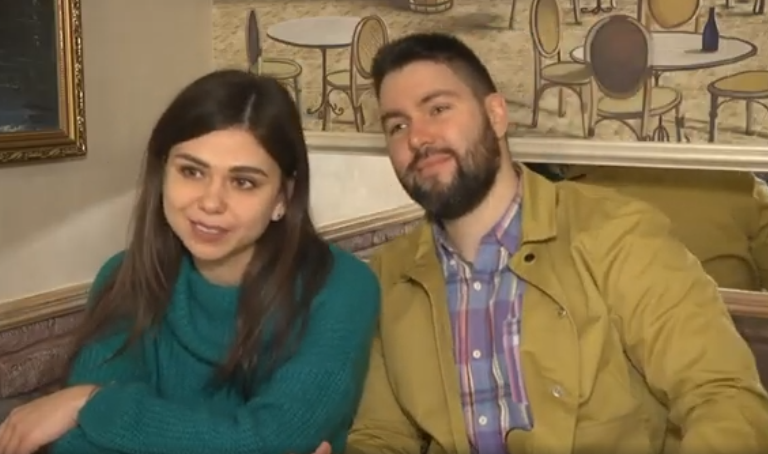
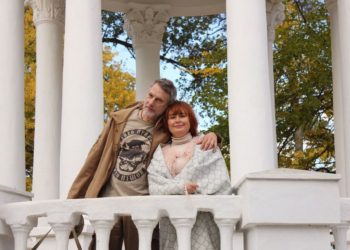
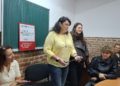
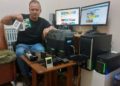
Who claimed that there was no room for romantic feelings during the war? Oleksandr Zabrodin from Severodonetsk and Aliona Natalukha from Zaporizhia both say in unison: “If it weren’t for the war, we wouldn’t have met.” They are journalists from the regional branches of the Suspilne Media Broadcasting Company. They met in Lviv during a tactical medicine training session. Later, they found themselves taking cover together in a car during shelling.
The morning of February 24, 2022. The clock reads 6:00. A friend from Poltava calls Oleksandr with an alarming message.
— He said something like, ‘Sanya, have you seen? It’s starting; they’ve declared martial law.’ ‘But just an emergency one,’ I said. And he replied, ‘No, they’ve started shelling already,’— Oleksandr begins his story. — I opened the news, and I saw the first video about Ivano-Frankivsk being hit. A rocket landed at the airport.
A few hours later, an explosion occurred in Severodonetsk, where Oleksandr lived and worked at Suspilne.Donbas channel. Rockets hit a local airfield, and life in the city froze from that moment. In early March, the journalist’s family decided to leave, as staying in Severodonetsk was becoming increasingly dangerous.
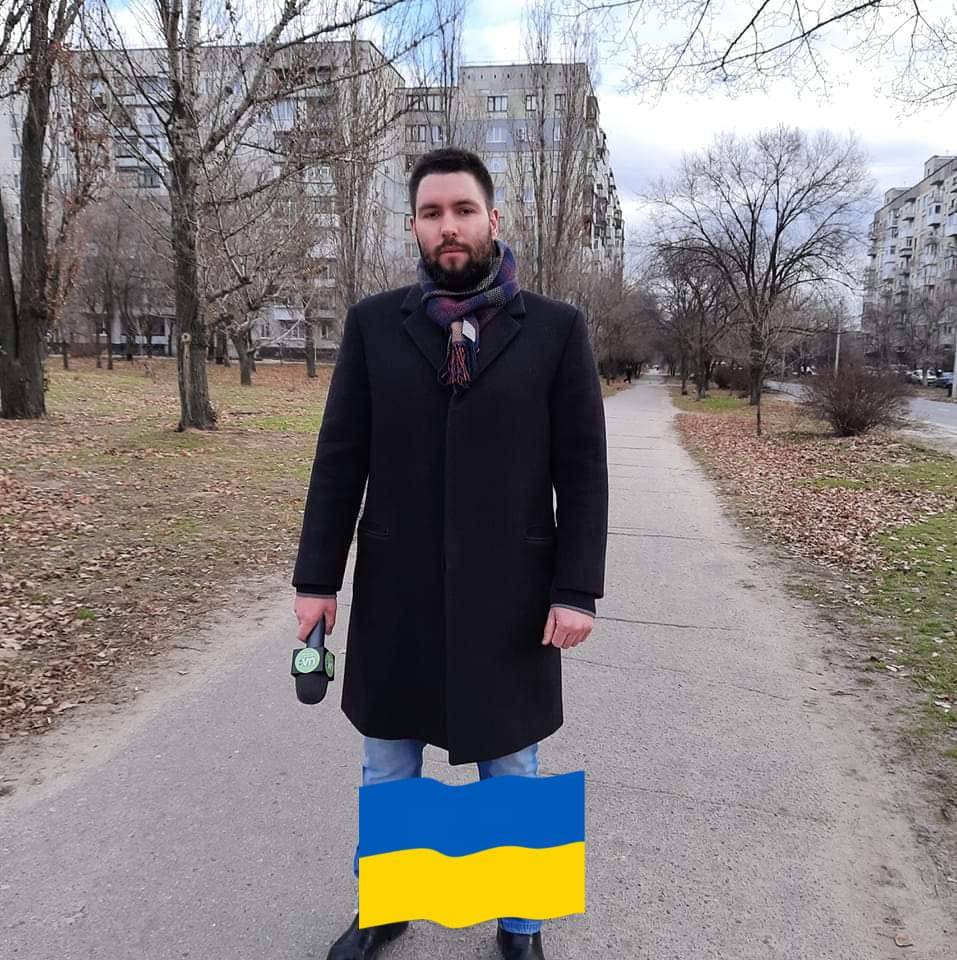
— We were at home until March 4th, I think. Then the city started getting hit hard, and there were problems with food supplies, and hardly anyone went to the market. There were problems with food and communication. So, we decided to leave for Cherkasy,— the journalist says.
The organization quickly organized first-aid training for its staff, preparing journalists for potential combat zones. This is when Oleksandr first laid eyes on Aliona, a journalist from Zaporizhia.
— Foreign and Ukrainian experts taught us first aid, how to behave during artillery shelling, how to work in a team,— the journalist recounts. — That’s where I met Oleksandr. There were many people at the training, but I remembered him. After the training, we started going out together. After a while, I decided to go on assignments to the gray zone. Initially, I had to keep it hidden from my relatives so they wouldn’t worry. I saw fear in people’s eyes, I saw tears, I saw hope – all of that went through me.
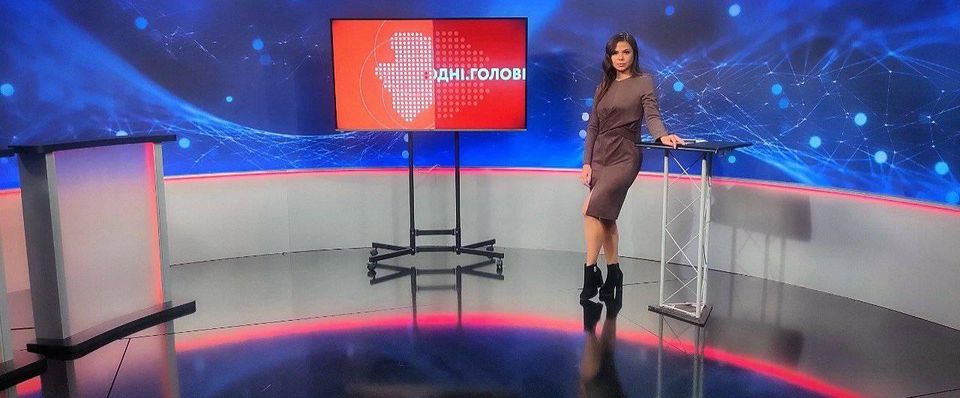
Aliona only shared stories of challenging assignments in the gray zone with Oleksandr. At that time, they often communicated by phone and later visited each other on weekends.
— I think it was during our second meeting that he said we’ll talk, and if everything goes well, I’ll move to you. I was surprised by that decision. Zaporizhia was under fire control, near the front line, and we barely knew each other,— Aliona says with a smile.
Before moving to Zaporizhia, Alexander invited Aliona to Cherkasy.
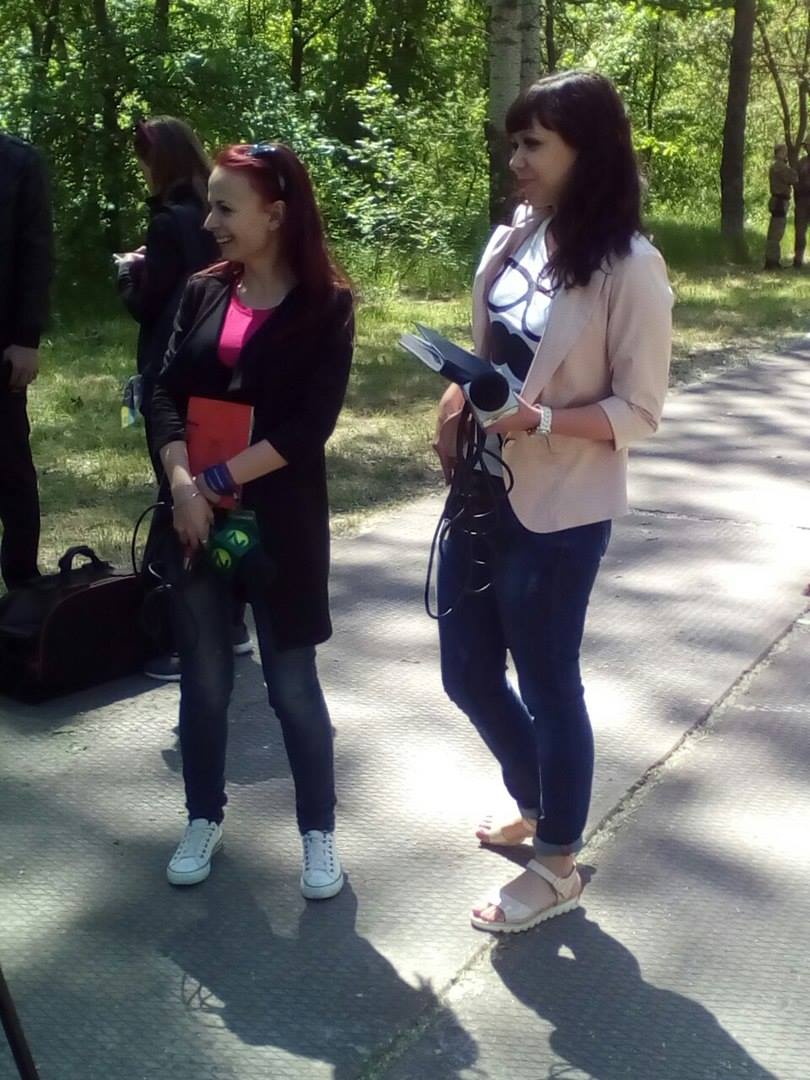
— That’s when we realized that everything was good, everything worked out. There was a connection, and there was contact,— Oleksandr recalls.
Within a week, he gathered his belongings, rented an apartment, and moved to Zaporizhia, even though he hadn’t expected to take such steps.
— I didn’t have serious relationships before, but these events changed me significantly, and I realized I didn’t want to be alone. It’s better to go through such difficult times together,— Oleksandr believes.
In early October, when Zaporizhia was hit by S-300 rockets almost daily, the couple spent nights sleeping in their car. During that time, a high-rise building was shelled every night.
Despite the danger, Aliona continued to go to work every day.
— I decided at the start of the war that I would leave the city if there was a danger of occupation. I don’t want to live here if there are occupiers. We’ll get through everything else somehow — the television presenter is convinced.
This series, titled Executed Free Speech, is created as part of a project Drawing Ukrainian And International Audience’s Attention To Serious Violations Of Human Rights And Crimes Against Journalists And Mass Media By The Russian Federation, which is performed by the National Union of Journalists of Ukraine, with support from the Swedish non-profit organization Civil Rights Defenders.
JOURNALISTS ARE IMPORTANT. Stories of Life and Work in Conditions of War is a cycle of materials prepared by the team of the NUJU with the support of the Swedish human rights organization Civil Rights Defenders.
#CRD





Discussion about this post