
 THE NATIONAL UNION OF
JOURNALISTS OF UKRAINE
THE NATIONAL UNION OF
JOURNALISTS OF UKRAINE
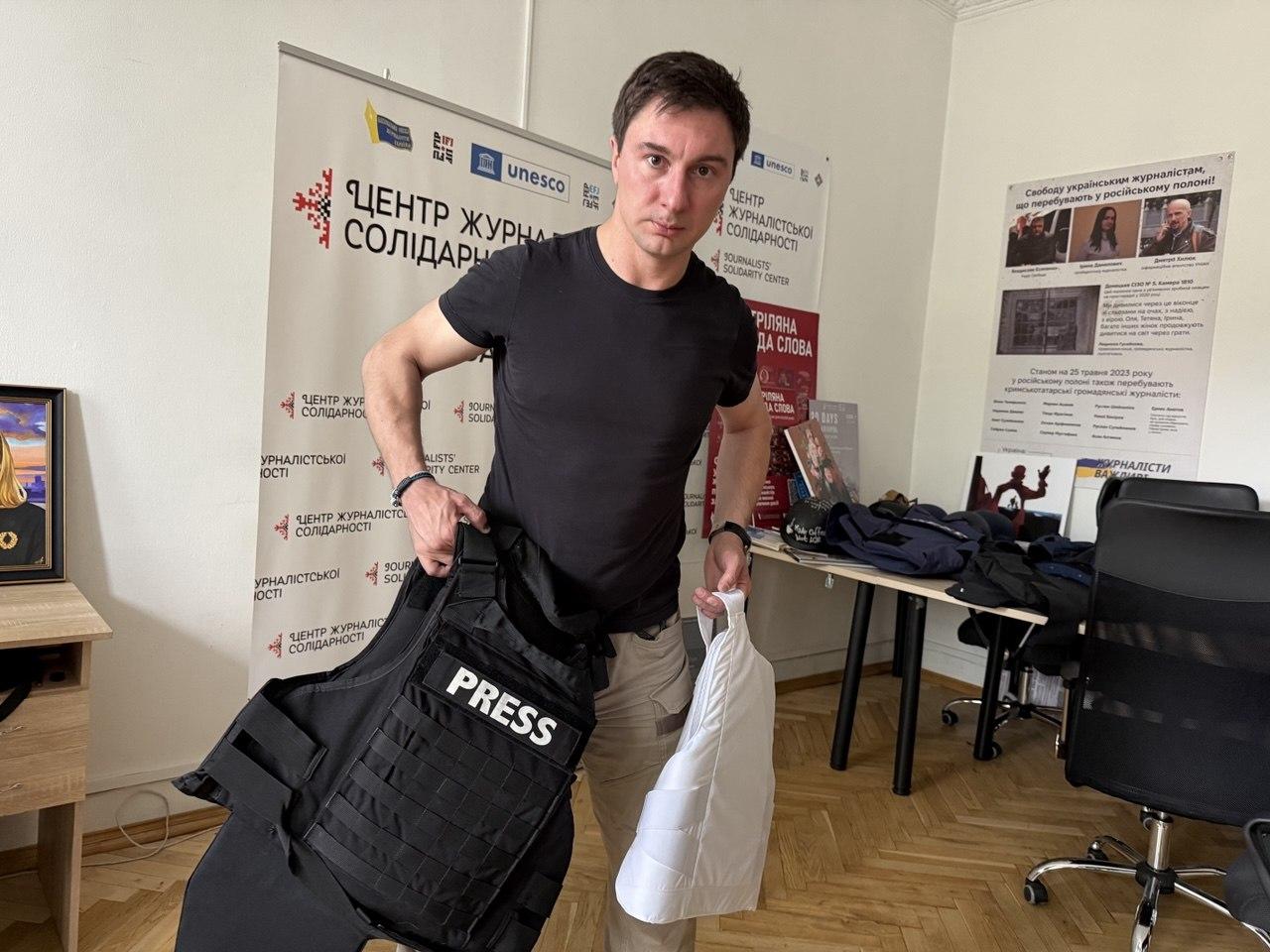
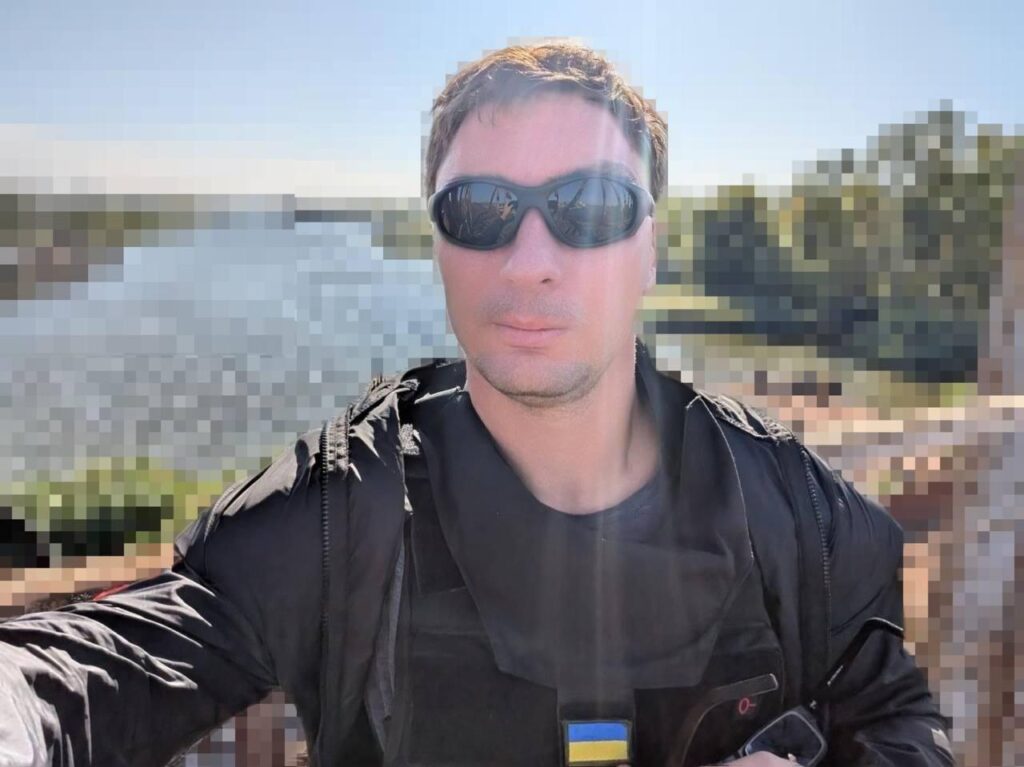
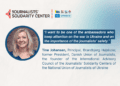
Journalists in frontline regions often do not wear standard bulletproof vests because they are too heavy, hot, uncomfortable, and attract attention with the “PRESS” label. BBC journalist Dmytro Vlasov says the issue is not carelessness, but the fact that this protection no longer matches today’s main threats.
According to Vlasov, journalists in Kherson, Zaporizhia, and Sumy are now more at risk from drone-dropped explosives and shrapnel than from direct gunfire. For this reason, heavy plate carriers designed to stop bullets are often impractical, while light anti-fragmentation vests can offer more realistic daily protection.
“It’s much better than nothing”
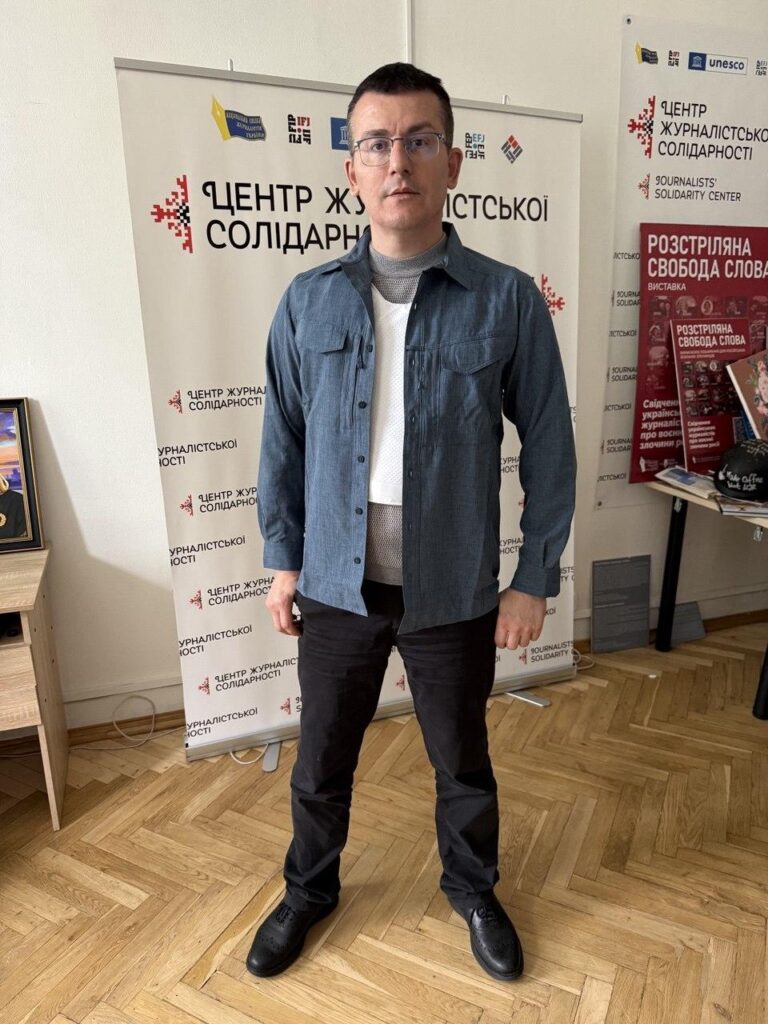
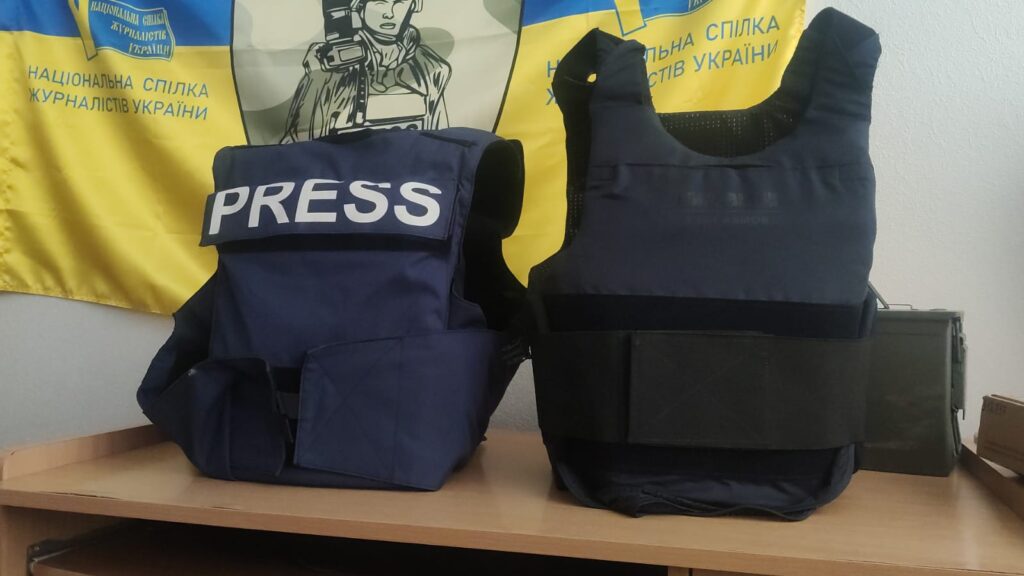
A light anti-fragmentation vest weighs about 2-3 kilograms, can be hidden under clothing, does not restrict movement, and protects better against fragments in areas like the sides and underarms. It is also more comfortable for women because it is flexible rather than rigiDmytro Vlasov says such protection is far more likely to be worn every day than a 15-kilogram vest left in a car trunk. It costs about UAH 20,000-30,000.
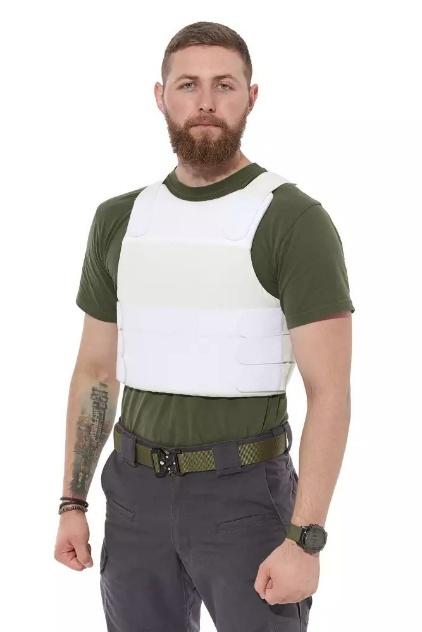
He stresses that no vest will protect against a direct drone strike, so basic safety rules still matter most: find cover, lie low, and protect your head. Still, wearing light protection daily is, in his view, much safer than wearing nothing at all.
“No shot is worth a life”
Vlasov also says newsrooms must take more responsibility for journalist safety. He explains that the BBC does not buy frontline materials from freelancers because it cannot guarantee their safety, training, equipment, or insurance. Risky assignments should involve serious planning, risk assessment, and support teams.
He recalls the deaths of journalists and media workers, including Taras Protsiuk, Bohdan Bitik, Yevhen Karmazin, and Olena Hubanova, as painful reminders that no story is worth a life. His main message is that war has changed, danger zones are wider, and journalists need protection that fits real threats and is actually worn.
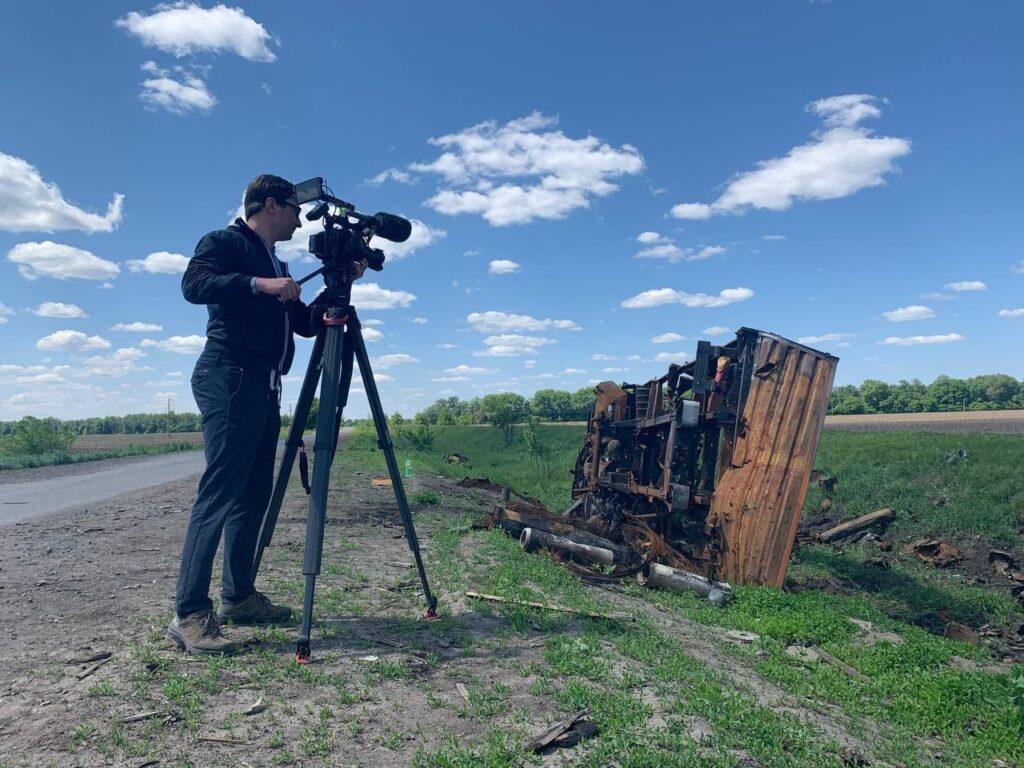
Kharkiv journalist Volodymyr Pavlov: “Protected — and you don’t attract unnecessary attention”
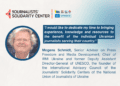
Kharkiv journalist Volodymyr Pavlov supports this view. He says concealed anti-fragmentation vests help protect against shrapnel and small debris without drawing attention, unlike heavy plate carriers that may make journalists more visible and vulnerable.
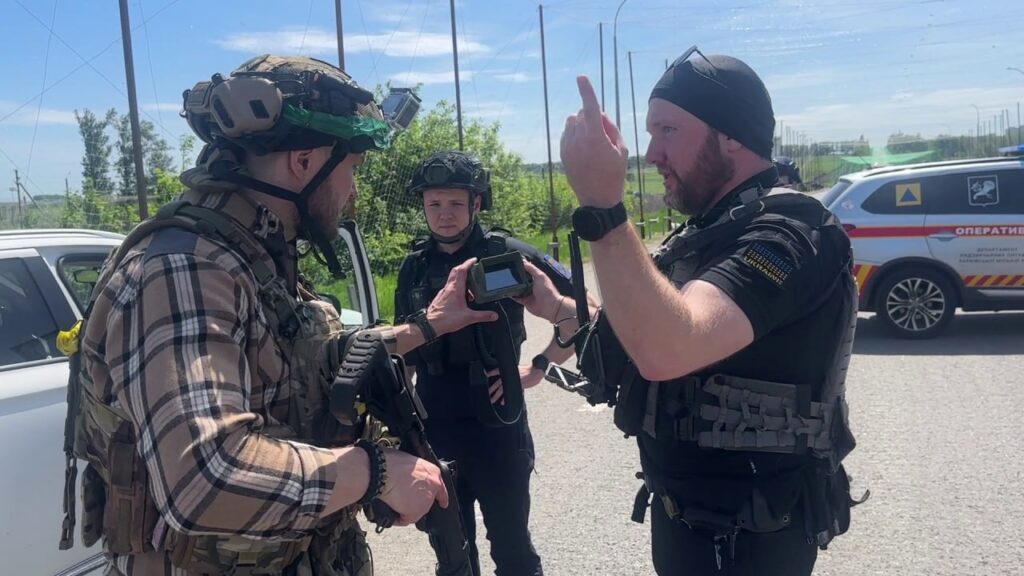
Pavlov says he has personally used such vests while working in Kramatorsk and recommends them as a practical option for journalists in dangerous areas. He and Hanna Chernenko proposed this type of hidden ballistic protection as one of the best equipment options for the NUJU.
* * *
Since the beginning of the full-scale russian invasion, the National Union of Journalists of Ukraine (NUJU) has identified the safety of media workers as one of the key areas of its work. Special attention is paid to journalists, photojournalists, cameramen, fixers and film crews working in front-line areas, in de-occupied territories or traveling to high-risk areas. For such trips, a bulletproof vest, helmet and first aid kit are not a formality, but a basic condition for professional work.
In the very first weeks of the great war, the NUJU appealed to international partners with an appeal to urgently help Ukrainian journalists with protective equipment. Thanks to journalistic solidarity from the International and European Federations of Journalists, UNESCO, foreign media organizations, philanthropists, and Ukrainian businesses, the Union began receiving and distributing the first bulletproof vests, helmets, turnstiles, “Press” signal vests, and other safety equipment. Already in 2022, it was not a matter of single transfers, but of dozens of sets that the NUJU transferred to media workers upon request.
Over time, this emergency aid grew into a well-established system. Through the network of NUJU Journalists’ Solidarity Centers (JSC), Ukrainian and foreign journalists can receive protective equipment for free temporary use. The standard set includes bulletproof vests, helmets, and tactical first-aid kits. Since journalistic trips to dangerous areas are often irregular, the free rental model allows one set to work for many newsrooms and film crews. Bulletproof vests and helmets are located in the JSCs in key cities (Kyiv, Zaporizhzhia, Dnipro, Kharkiv, Sumy, Lviv, and Ivano-Frankivsk), from where media workers go to frontline regions or where journalists themselves work in conditions of constant danger. In 2025–2026, the security needs of journalists changed due to the massive use of russian drones. Therefore, the Union is supplementing its support for journalists with new solutions – including drone detectors, portable power supplies, updated safety protocols, and practical recommendations for working in drone warfare.
Maksym Stepanov
NUJU Information Service
The Journalists’ Solidarity Centers network is an initiative of the National Union of Journalists of Ukraine, implemented in cooperation with the International Federation of Journalists and the European Federation of Journalists. Our main goal is to support media workers working in Ukraine during the war. The Centers operate in Kyiv, Kharkiv, Zaporizhzhia, Dnipro, Lviv and Ivano-Frankivsk. The project is part of UNESCO’s broader efforts to support journalists’ safety and freedom of expression in Ukraine. The Network’s activities in the summer of 2026 are supported by the Ukrainian Media Fund Nordic.







Discussion about this post