
 THE NATIONAL UNION OF
JOURNALISTS OF UKRAINE
THE NATIONAL UNION OF
JOURNALISTS OF UKRAINE
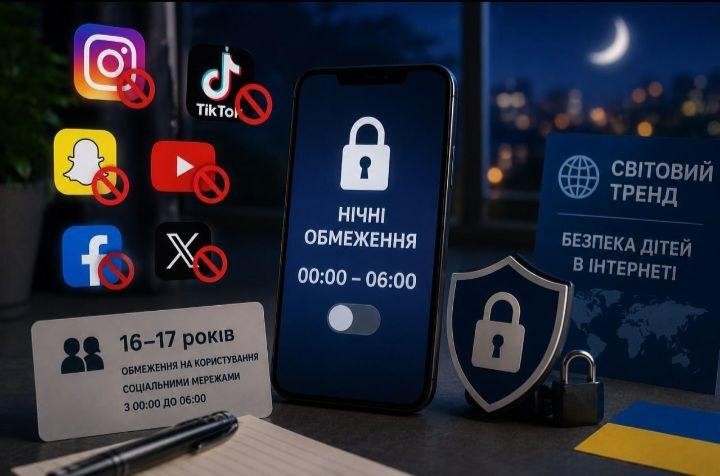
The United Kingdom is considering introducing overnight restrictions on social media use for teenagers aged 16–17, according to Reuters. Under the proposal, users in this age group would be unable to access social media platforms between midnight and 6:00 a.m. unless they manually change their app settings.
The UK’s move toward introducing nighttime restrictions reflects a broader international trend: governments are increasingly concluding that self-regulation by technology companies is not enough. Large digital platforms have a commercial interest in keeping young users engaged for as long as possible – even when excessive screen time may harm their well-being. In Ukraine, however, the debate over regulating children’s access to social media has an additional – and far more urgent – dimension. It is taking place against the backdrop of Russia’s full-scale invasion.
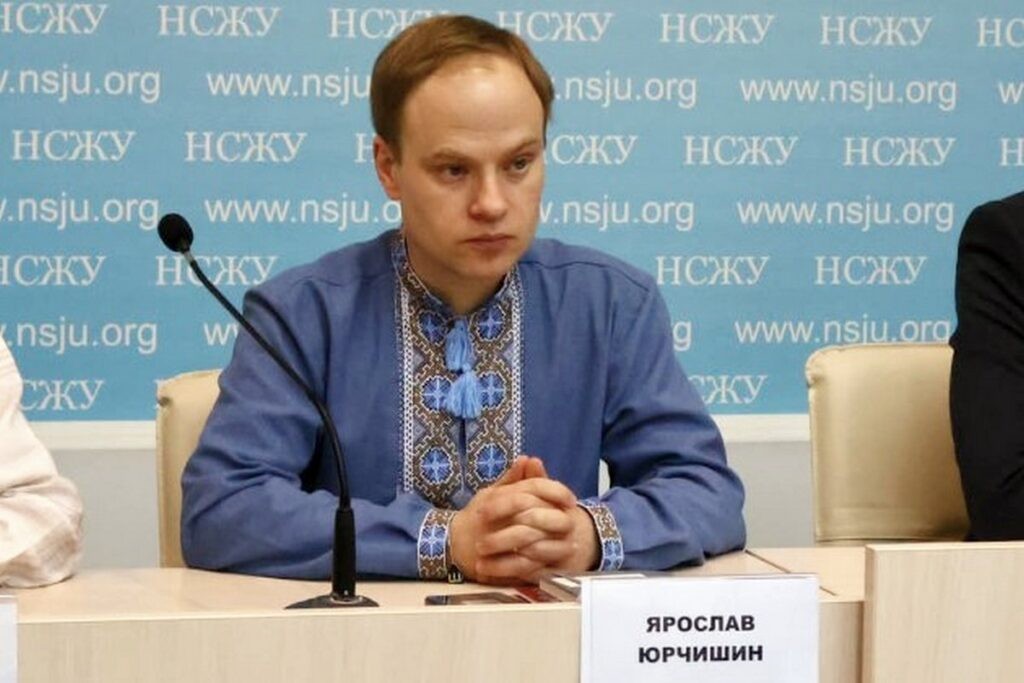
The issue is also being discussed in the Verkhovna Rada, Ukraine’s parliament. Yaroslav Yurchyshyn, Chair of the Parliamentary Committee on Freedom of Speech, has publicly supported introducing age restrictions for children’s use of social media, arguing that minors are vulnerable to information manipulation, ideological influence, and, in some cases, direct physical danger.
“The world is already taking action. Delays could lead to more headlines about military vehicles being set on fire or Ukrainian teenagers being killed after being recruited online. This is the harsh reality we face, and we must learn from our own experience. A country at war must protect not only its borders but also its children, because they are our future,” Yurchyshyn wrote in one of his public statements.
The arguments advanced by supporters and opponents of such restrictions in Ukraine differ significantly from those in Western countries.
Supporters emphasize national security concerns. In Ukraine, social media has become an environment where children can be recruited by hostile intelligence services, manipulated into dangerous activities, or exposed to destructive information campaigns. Russian operatives use anonymous online channels to encourage teenagers to commit criminal acts, such as setting military vehicles on fire or gathering information that could be used to adjust artillery fire. At the same time, years of living under the daily stress of war have made Ukrainian children particularly vulnerable psychologically. Cyberbullying and online fraud remain additional serious concerns.
Opponents, however, raise several important counterarguments. Any restrictions on internet access are often associated with censorship and viewed as a potential infringement on freedom of expression. Moreover, during regular missile and drone attacks, smartphones and online communication channels are essential safety tools for children, allowing them to receive air raid alerts, access emergency information, and stay in contact with their families.
Cybersecurity specialists and psychologists also point to the practical challenges of enforcing such restrictions. Without an effective government age-verification system – for example, through Ukraine’s Diia digital services platform – strict legal bans would likely encourage children to use VPN services or migrate to unregulated parts of the internet. Many experts also argue that legislative restrictions risk shifting responsibility for children’s online safety from parents to the state, even though supervision and digital education should remain primarily a parental responsibility.
At the same time, developments not only in the United Kingdom but also in countries such as France and Australia demonstrate that protecting children online is increasingly becoming a matter of public policy rather than solely a matter of parental oversight.
NUJU Information Service










Discussion about this post