

 THE NATIONAL UNION OF
JOURNALISTS OF UKRAINE

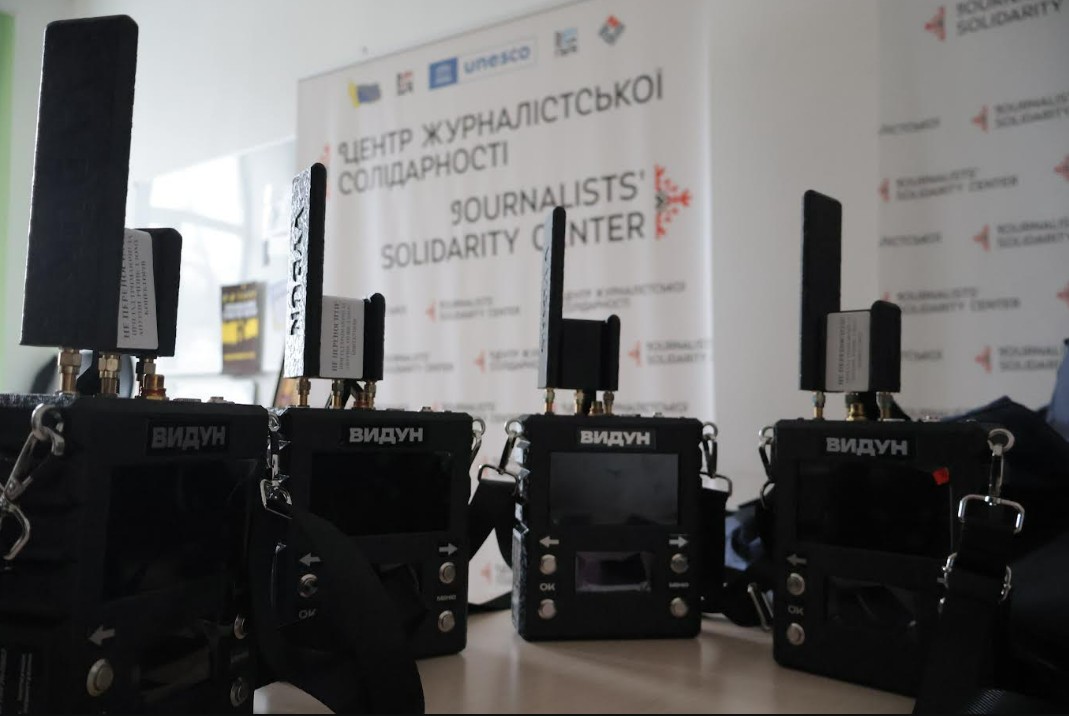
The National Union of Journalists of Ukraine (NUJU) has received 15 portable Vidun drone detectors from the UNESCO Antenna in Ukraine. The devices are intended for journalists working in combat zones and frontline communities.
The detectors were provided under the project Safeguarding Independent Media and Information Integrity in Ukraine: Emergency Response and Sustainable Recovery, implemented by UNESCO with financial support from the Government of Japan. The handover continues the partners’ cooperation: NUJU has previously received energy equipment and first-aid supplies for journalists from UNESCO.
“Drones are now one of the most serious physical threats to journalists working near the frontline. From January to August 2026 alone, NUJU documented 28 drone-related incidents affecting journalists, media workers, newsrooms and media infrastructure. At least five media workers were injured, and FPV drones have targeted journalists as close as 17–20 kilometres from the frontline. In several cases, a timely warning from a detector helped journalists find shelter. That is why we are passing these devices on to colleagues working in the highest-risk areas,” said Sergiy Tomilenko, President of NUJU.
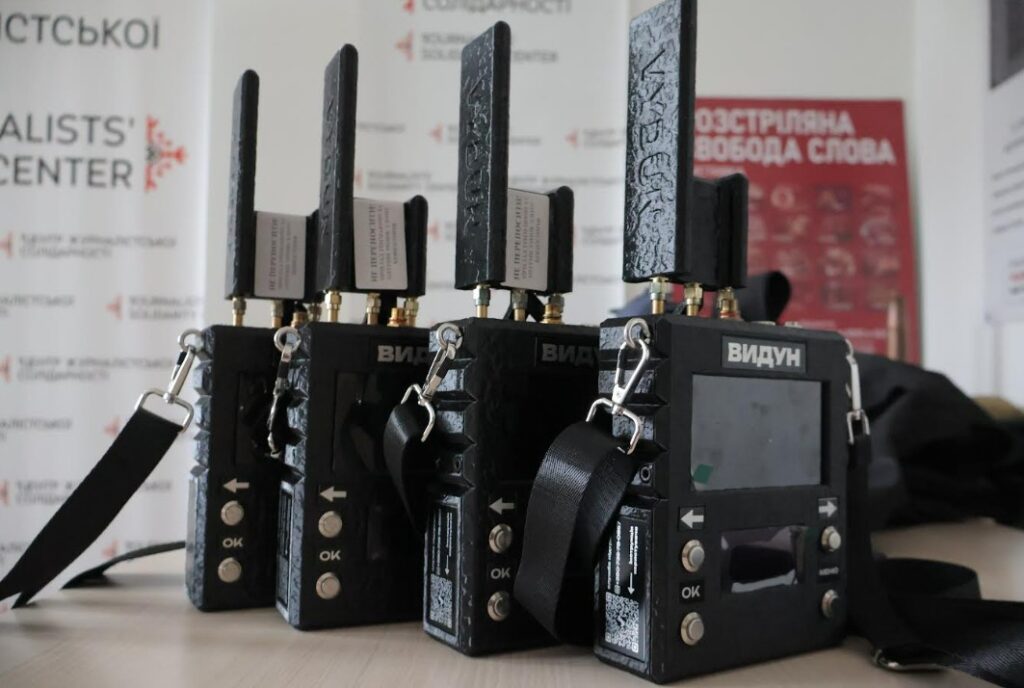
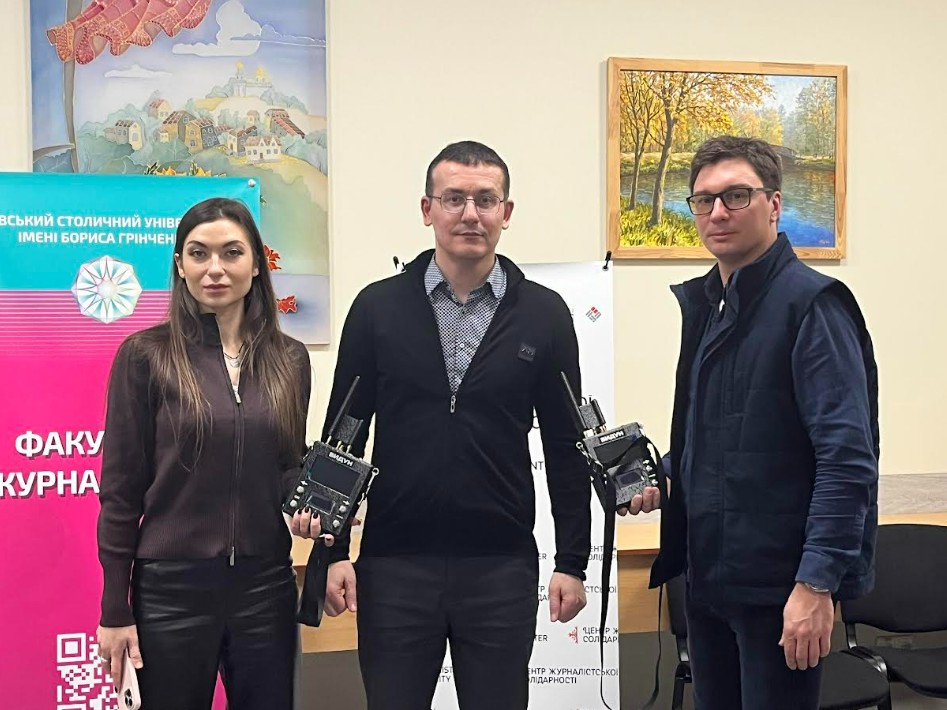
NUJU has already handed over the first two detectors to war correspondents Iryna Sampan and Dmytro Vlasov. The remaining devices will be distributed in response to verified requests from newsrooms and journalists. Others will be available for short-term loans through NUJU’s network of Journalists’ Solidarity Centres. Journalists will receive a briefing before using the equipment.
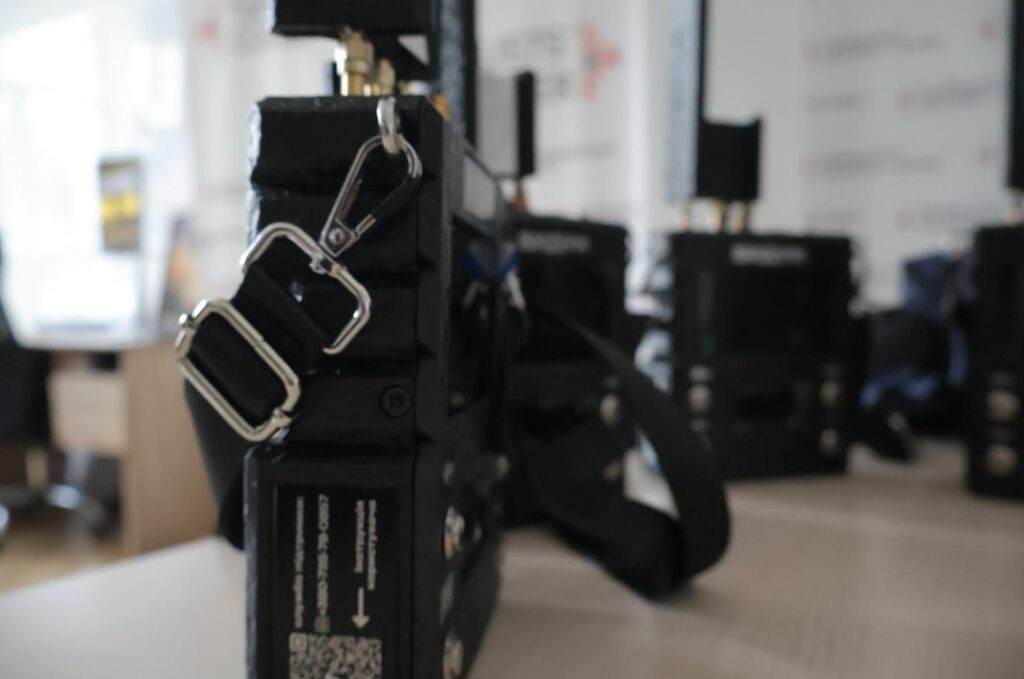
Vidun is a portable detector made by Ukrainian manufacturer Babai. It scans several frequency bands, intercepts analogue FPV drone video signals and displays images from the drone’s camera. According to the manufacturer, the device provides 360-degree coverage and can detect drones at distances of up to four kilometres; the actual range depends on terrain and the transmitter’s power. The detector cannot detect drones controlled via fibre-optic cables, so it remains one element of safety rather than complete protection.
Volodymyr Pavlov, co-coordinator of the Kharkiv Journalists’ Solidarity Centre and a producer for international media, describes his experience using the detector:
“During trips to frontline areas of the Kharkiv region, the drone detector picked up a threat about ten times. We had to stop, take shelter and suspend our work. Without monitoring the sky, you are blind to many threats. A team working in the field must have a drone detector — preferably two different models that cover more frequencies. And, of course, we must not forget about fibre-optic drones. Detectors cannot detect them yet, so someone in the team needs to keep watch on the sky.”
NUJU thanks UNESCO, the Government of Japan, the Embassy of Japan in Ukraine and the Ministry of Culture of Ukraine for their partnership and practical support for Ukrainian journalists.













Discussion about this post