

 THE NATIONAL UNION OF
JOURNALISTS OF UKRAINE
THE NATIONAL UNION OF
JOURNALISTS OF UKRAINE
How local newspapers from Zolochiv to Snihurivka became part of the country’s critical infrastructure
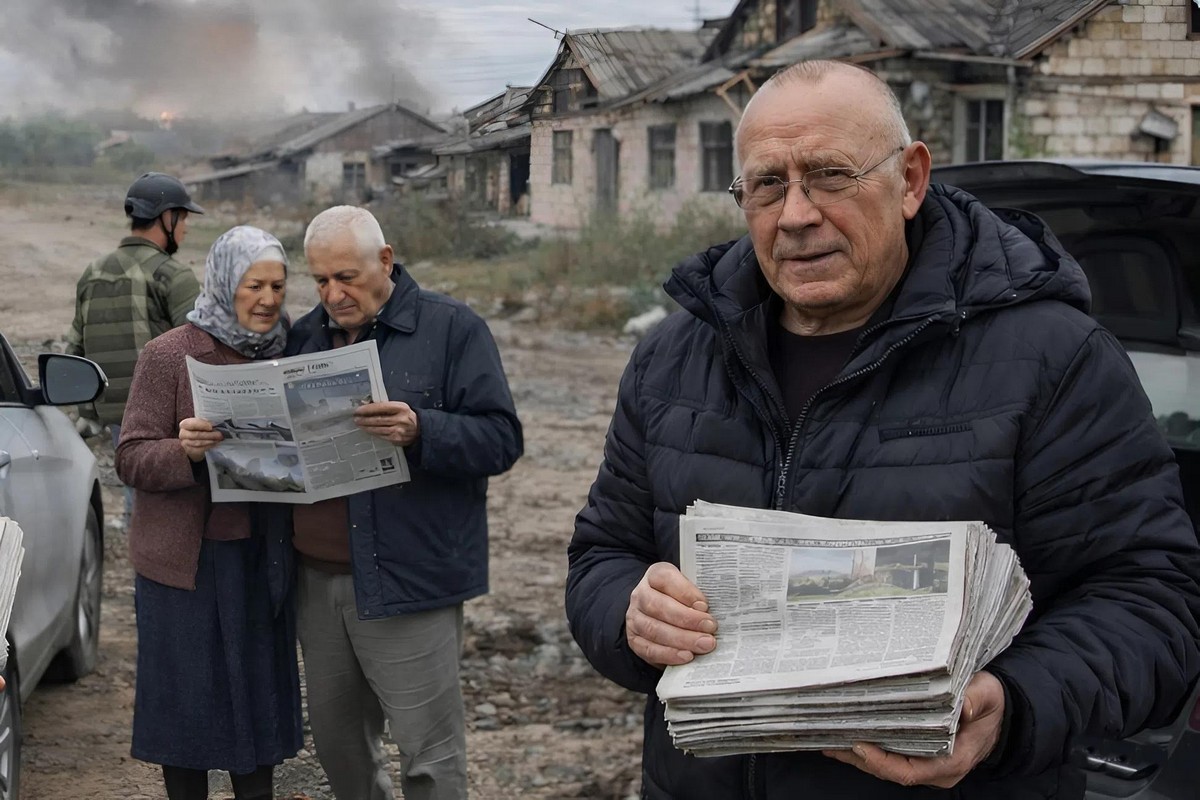
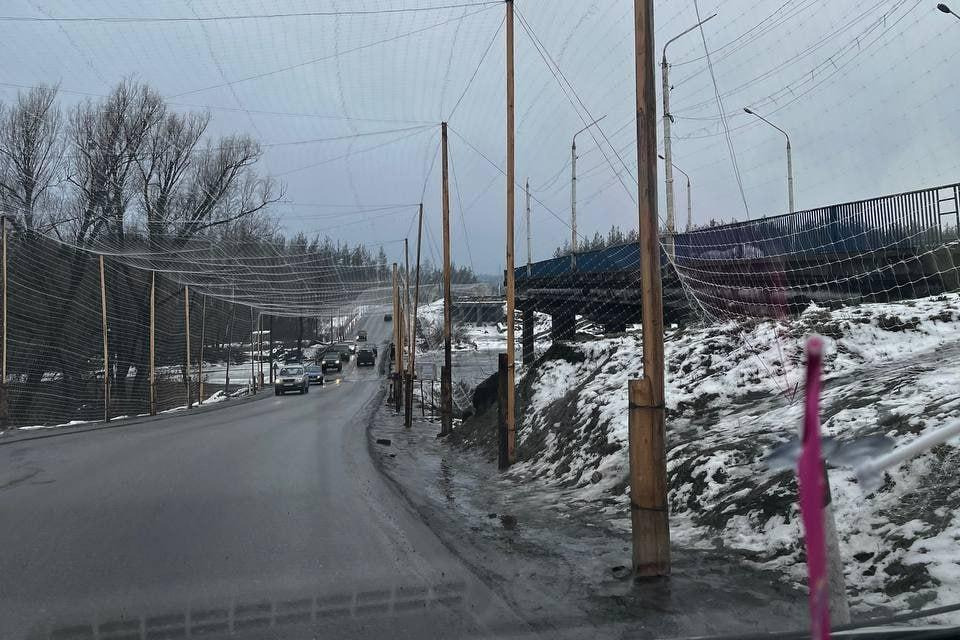
Vasyl Myroshnyk from Zolochiv in the Kharkiv Region says that foreign journalists he drives along his usual route consider him “too risky.” He shrugs in surprise: this is exactly the reality his fellow countrymen live in. Someone is driving to get humanitarian aid, someone is going to work in the garden, and someone doesn’t have time to run to the cellar when mortars or drones start working. And Vasyl Myroshnyk then gets in the car and takes his Zoria – Visnyk Bohodukhivshchyny to people. Because he is convinced, for those who are actually cut off from civilization, these thin sheets of paper are the only thread of connection with the outside world.
There are dozens of such stories. They unfold daily in frontline newsrooms from Sumy to Zaporizhzhia, from Dnipro to Mykolayiv, and rarely make it to the front pages. Recently, after the publication of the meeting of NUJU President Sergiy Tomilenko with the Ambassador of Ukraine to the UK, Valerii Zaluzhnyi, in London, during which the frontline newspapers were discussed, the editors of these publications responded with comments. And these voices formed a living portrait of the Ukrainian media space, which continues to exist under shelling.
“My countrymen live in this reality”
Over the past three years, journalists from different countries have visited Zolochiv in the Kharkiv Region, including from London. Vasyl Myroshnyk, the editor-in-chief of the local newspaper, takes them with him on the delivery route.
“I’m surprised that they consider him too risky,” he admits. “After all, my countrymen live in these realities. Then there are publications – without embellishment or fantasy, about the present in the frontline region, where people are killed almost every day.”
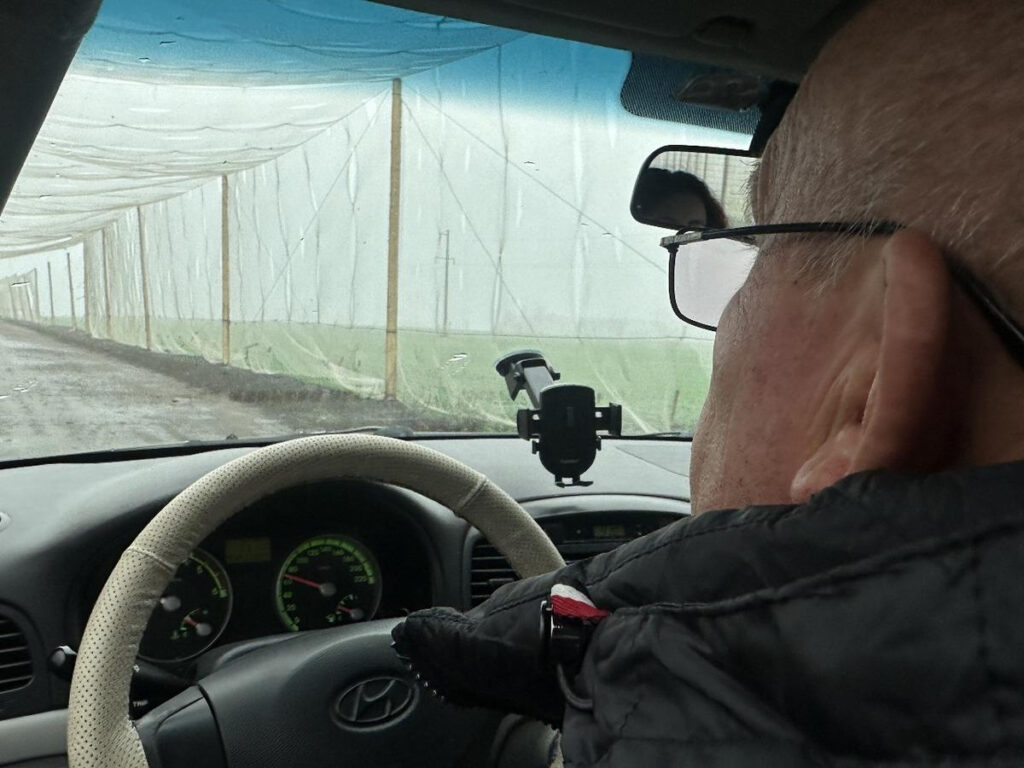
Editor-in-chief Vasyl Myroshnyk became not only a “courier” who delivers the newspaper to the villages on the border with russia, but also a war chronicler: he initiated the publication of interviews with soldiers and officers from the front line in the newspaper, without surnames and exact locations, but with living testimonies of those who hold the defense.
His daughter and colleague Lesya Babkina, who also works in the Zolochiv newsroom, adds:
“We really live here despite the drones and danger, because we know that people are waiting. And while the newspaper is being published, the community feels that it is not alone.”
Seventeen villages to the very border
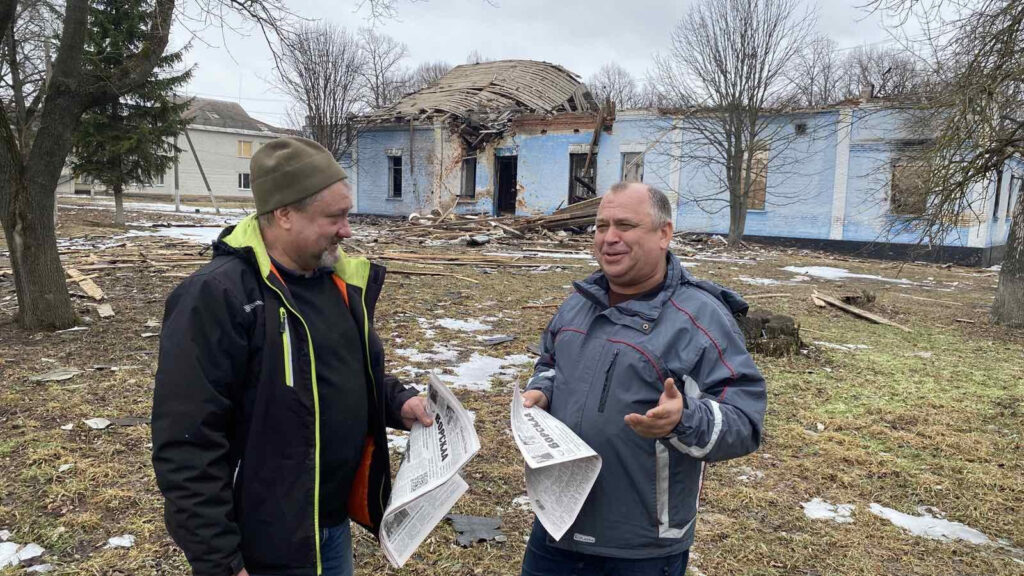
In the Sumy Region, a similar reality. Oleksii Pasiuha, the editor of the newspaper Vorskla from Velyka Pysarivka, says that the newspaper continues to be delivered to every village right up to the border with russia – despite constant attacks by enemy drones. He speaks of this as a betrayal, although for most people, the very thought of traveling to these villages would cause great fear.
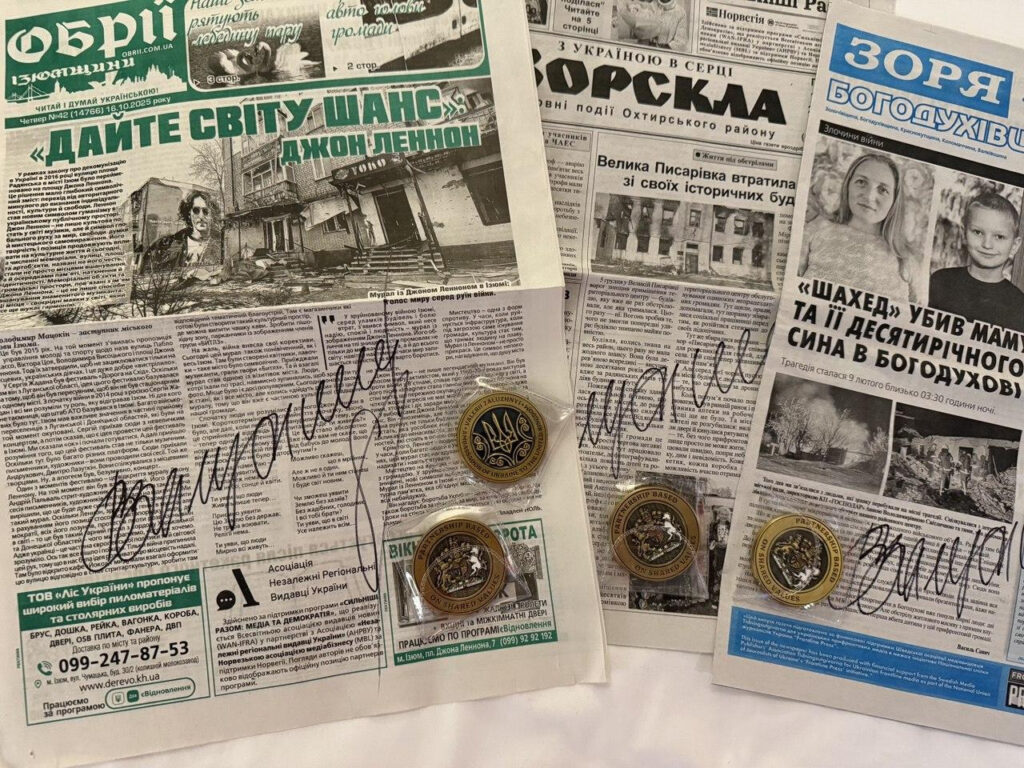
When Pasiuha saw a photo of his Vorskla signed by Valerii Zaluzhnyi, he admitted that he “got a little moved and emotional – like really.”
In the morning, friends called and wrote to him, joked, “trolled a little in a good way out of envy,” but he only saw it later, when he left for a place where there is Internet and telephone communication.
As earlier reported, during retail sales, a third of the cost of each copy of Vorskla goes to support the Armed Forces. The newspaper is not only information, but also direct assistance to the army.
“Behind each issue is not only journalism, but also responsibility.”
In Zaporizhzhia, frontline newsrooms work in no less difficult conditions. Svitlana Karpenko, the editor of Trudova Slava from the frontline Orikhiv region, admits that it was “unexpected and at the same time very important” for her newsroom to learn that their newspaper was among those that the President of the NUJU presented to the ambassador.
“For small frontline newsrooms, this is really a great support – to understand that our daily work is seen and appreciated,” says Svitlana Karpenko. “Because behind each issue of the newspaper today is not only journalism, but also responsibility to the people who live next to the war.”
And from the frontline Huliaipole region, Tetiana Velyka responded, reminding that their Makhnovshchyna (Huliaipole was once the center of Nestor Makhno’s anarchist troops) is now known to the whole world – it’s just a pity that it costs so much.
“Journalists of our media work to the sounds of that rubbish that buzzes in the sky every day,” writes the editor of Holos Huliaipilshchyny, thanking the Union friends and defenders of the country for their support.
Kateryna Zavarzina from the newspaper Nashe Zhyttia from the frontline Novomykolayiv region also thanks the Union for its support.
“A cool, powerful event!” This is how the journalist characterized the meeting between Sergiy Tomilenko and Valerii Zaluzhnyi.
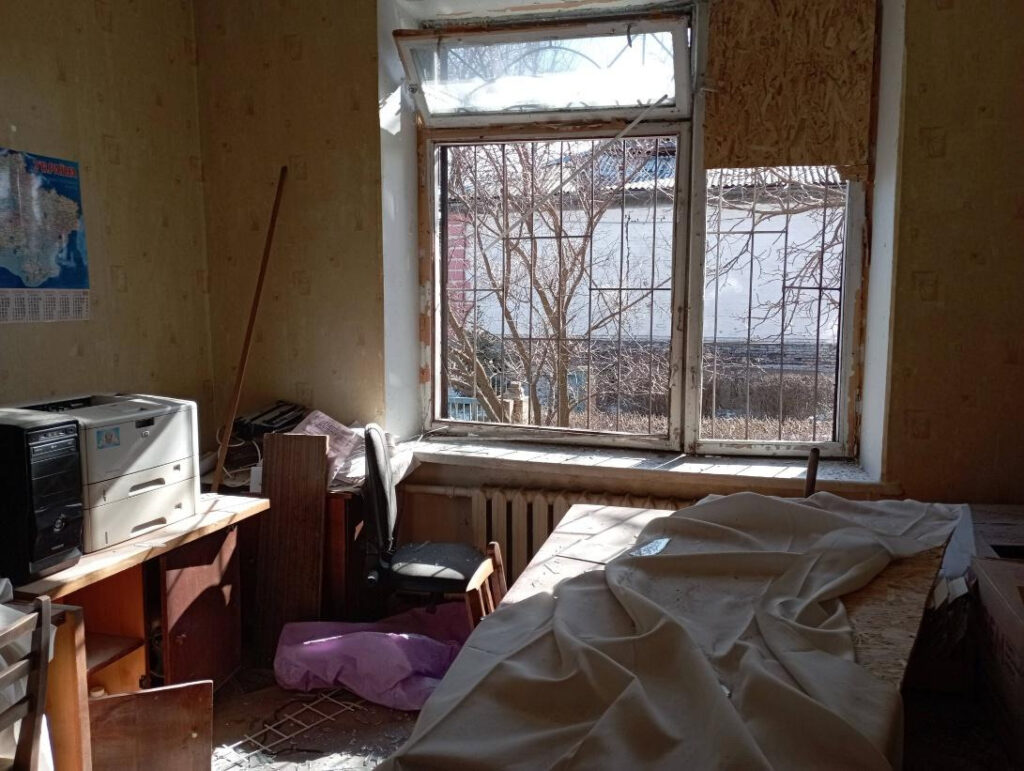
And the co-coordinator of the Journalists’ Solidarity Center (JSC) in Zaporizhzhia, Valentyna Manzhura, is convinced: “NUJU was able to become such an important social and driving force, was able to support the media and every journalist… And, of course, we feel quite understandable pride in our colleagues.”
“We are proud that we remain with our readers”
A symbolic coincidence: on March 5, when this news spread, the newspaper Visti Prydniproviya from the city of Dnipro turned 27. To receive recognition from Valerii Zaluzhnyi on its birthday was the best gift for the team.
“We are proud to remain with our readers in Dnipro and the region despite all the challenges of the war,” the newsroom wrote. “The printed word continues to be reliable, alive, truthful, and necessary.”
A particularly touching story is from Snihurivka in the Mykolaiv Region. Ihor Novikov from the newsroom of Visti Snihurivshchyna reminds us that their team survived the occupation and continues to work alongside the war today.
“For us, a paper newspaper is not just information,” he writes. “It is a connection with people, faith in the community, and proof that even under shelling, life goes on, and the truth finds its way to the reader.”
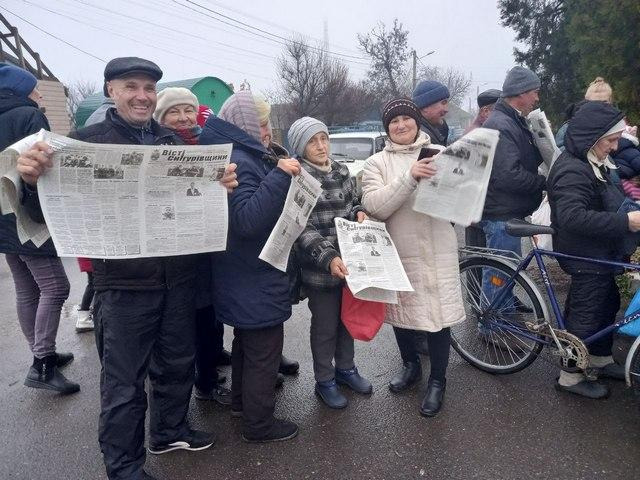
The editorial staff of Novi Zhyttia from Blyzniuky, Kharkiv Region, shared the same opinion:
“A paper newspaper for frontline territories is not just a media outlet, but an element of Ukrainian resistance. The newspaper is delivered to its readers under any conditions. For the residents of the community, this is a sign that they are not abandoned and have a connection with the country. We are grateful to Ambassador Valerii Zaluzhnyi and the NUJU, represented by Sergiy Tomilenko, for supporting frontline newsrooms. Journalists remain an important part of Ukraine’s critical infrastructure. As long as the printed word is published, people know the truth, believe in better things, and hold on.”
For the editorial staff, which knows what silence under occupation is like, the opportunity to print each new issue is an act of liberation that is repeated every week.
The editor-in-chief of Obrii Iziumshchyny Kostiantyn Hryhorenko also wrote about the importance of unity between journalists and the community. He recalled the joy with which journalists and residents of Izium greeted the liberation of their hometown in 2022.
“I remember very well how, before the counterattack, we journalists, together with the military, maintained informational silence. The breakthrough was so rapid that the enemy fled, leaving behind equipment, and our soldiers felt confident at every step and continued to liberate Ukrainian lands. After six months of temporary occupation, residents finally spoke their native language freely and were able to read and think in Ukrainian,” recalled Kostiantyn Hryhorenko.
Oleksandr Pasechnyk from Lyman – another city liberated in 2022 – emphasizes that the NUJU has been helping frontline newspapers survive for the fifth year.
“Thanks to this assistance, newspapers are printed and delivered to the most dangerous corners of frontline regions, thereby supporting and inspiring the residents of the communities,” writes the editor of Lyman’s Zoria.
The newspaper Putyvlski Vidomosti from the Sumy Region also thanked for the attention to the printed word:
Our newspapers are trying not just to survive, exist, but even develop in frontline conditions.
The editor of Novyny Horodnianshchyny from Chernihiv Region, Svitlana Tomash, expressed gratitude for NUJU’s support. And the Korop newspaper Novi Horyzonty made a sincere confession:
“I really want the newspaper to which I have dedicated my whole life to live and prosper. We cannot survive without support.”
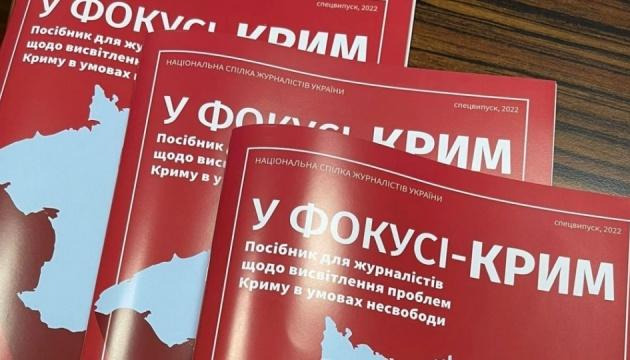
A separate, painful dimension was added by Mykola Semena, a Crimean journalist who himself was persecuted by the occupation authorities. He noted that thanks to the work of the Union, “the status of journalism in Ukraine has significantly strengthened and grown,” but added with bitterness:
“It is a pity that now all regional Crimean journalism is given to the enemy.”
And he expressed the hope that “the Ukrainian command does not forget about Crimea.”
Professional regional media are part of the critical infrastructure
According to the NUJU, the Union has contributed to the revival and support of more than 40 frontline newspapers throughout Ukraine. This is a whole network of newsrooms, each of which is a small center of resistance: from Kharkiv to Zaporizhzhia, from Sumy to Mykolayiv, from Dnipro to the liberated territories of Kherson. Each of them works in conditions where the delivery of the next issue can cost lives, and the publication of a newspaper is not just journalism – it is a signal to the community that it is not abandoned.
During the meeting with Sergiy Tomilenko, Ambassador Zaluzhnyi agreed to take a joint photo with copies of newspapers that continue to be published under shelling – from Dnipro, Zolochiv, Orikhiv, Lyman, and Snihurivka. He personally signed copies of newspapers from Zolochiv, Izium, and Velyka Pysarivka and handed over ambassadorial tokens to the editors. He also asked to convey words of gratitude to every journalist and editor in the frontline territories.

Valerii Zaluzhnyi, according to Sergiy Tomilenko, shares the position that the NUJU constantly emphasizes: responsible professional regional media are part of the country’s critical infrastructure.
“As long as the newspaper is published, the community lives” – these words are repeated in the comments of frontline editors like a mantra, like a prayer, like an oath. Behind them is the daily work of people for whom each printed copy is simultaneously an act of journalism, an act of resistance, and an act of love for their community.
Maksym Stepanov
NUJU Information Service













Discussion about this post