 THE NATIONAL UNION OF
JOURNALISTS OF UKRAINE
THE NATIONAL UNION OF
JOURNALISTS OF UKRAINE
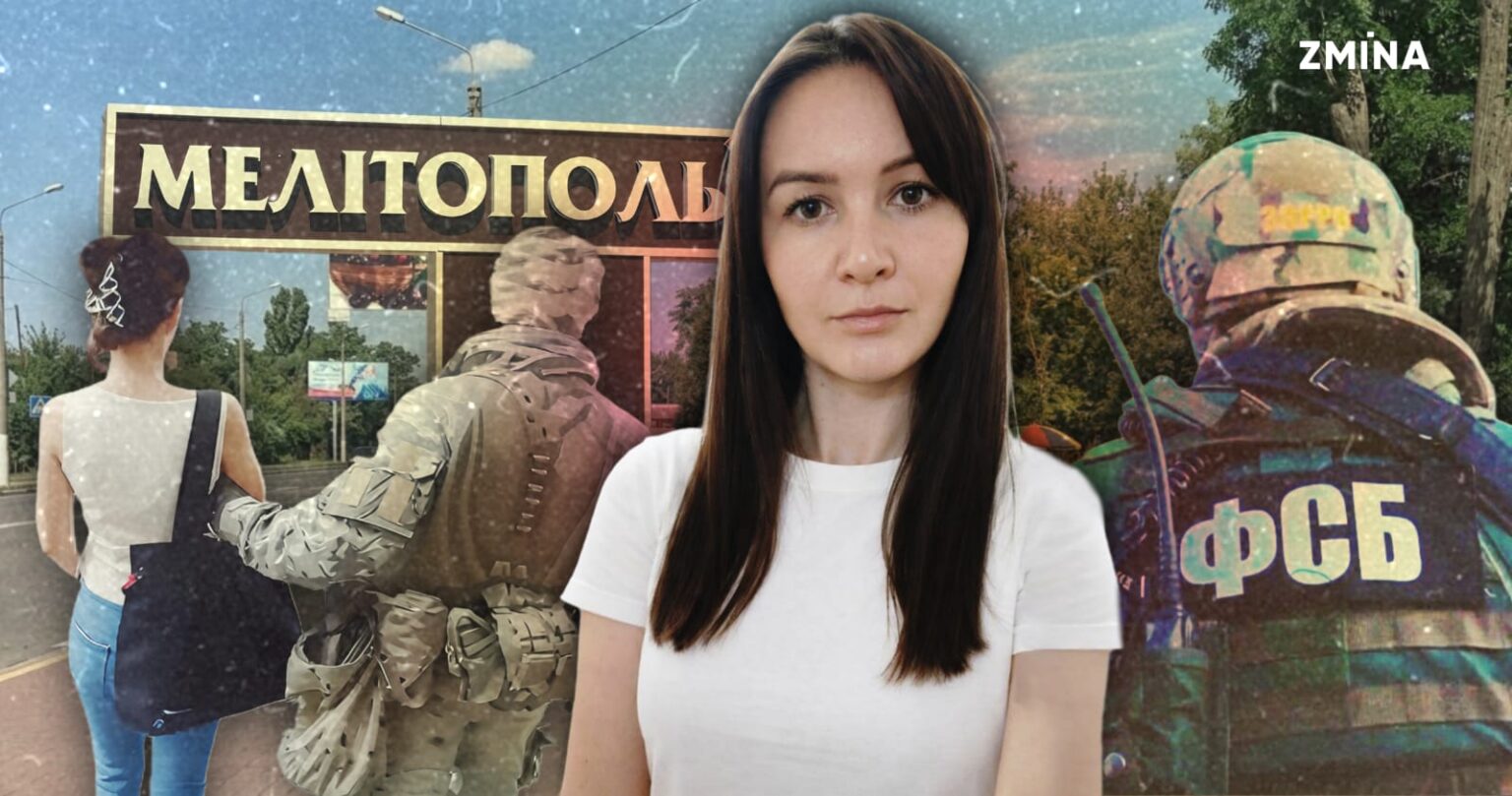
On the morning of August 20, 2023, russian security forces detained journalist Anastasiya Hlukhovska in temporarily occupied Melitopol. More than two and a half years have passed since then. During this time, the family has not received any official confirmation of her whereabouts, has not had the opportunity to correspond or make phone calls, and still does not know her procedural status, writes ZMINA.
Information about the whereabouts of the kidnapped journalist comes only from released prisoners. And the last recorded place of residence is an isolator in the city of Kizeli, Perm Krai. This remand prison is known for the fact that at least two Ukrainian prisoners died there – the mayor of Dniprorudne, Yevhen Matveyev, and journalist Victoria Roshchina.
About the work leading up to the full-scale invasion, kidnapping, and search for Anastasiya Hlukhovska, her colleague Svitlana Zalizetska, and a close person, whose name ZMINA is not naming for security reasons, told ZMINA.
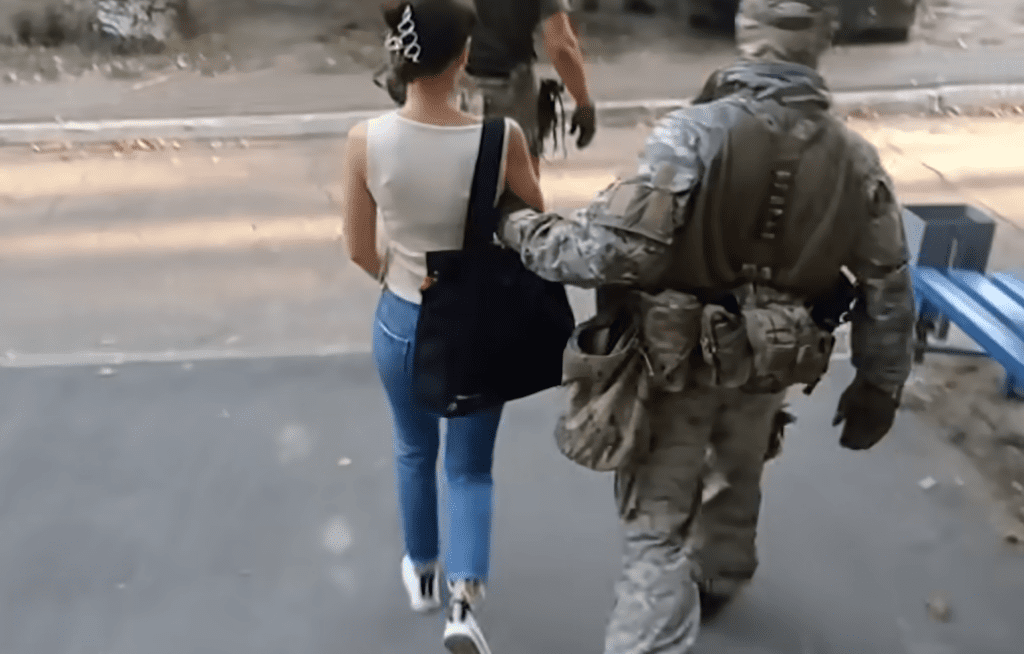
The journalists’ relatives learned about her detention from acquaintances. According to available information, at around five in the morning on August 20, 2023, people in military uniforms without identification marks broke into the apartment where the journalist lived. They conducted a search, seized computers, phones, flash drives, and other equipment. Part of the detention process was recorded by video surveillance cameras. After that, the woman was taken away in an unknown direction. On the same day, according to residents, from 30 to 50 people were detained in the city, including administrators of Melitopol Telegram channels. The family believes that this was a wave of simultaneous detentions.
In the fall of 2023, a russian propaganda channel aired a story about the detainees in Melitopol. It was about alleged “public calls for terrorist attacks,” “treason,” and “espionage.” According to relatives, Anastasiya Hlukhovska was among those involved in the story. Under russian law, such articles provide for 12 to 20 years in prison. At the same time, the family did not receive an official notification of suspicion or sentence, and according to available information, there was no trial.
“She is still in incommunicado status. There is no trial, no indictment, no official confirmation of where she is,” says a person close to the journalist, whom we are not naming for security reasons.
On April 11, 2024, Anastasiya’s name as a russian captive was first heard publicly. At the first meeting of the Council of Europe campaign “Journalists Matter,” the editor-in-chief of the media outlet RIA-Pivden, Svitlana Zalizetska, spoke about the imprisoned Melitopol colleagues. Before that, the Ukrainian side did not disclose this case for security reasons and at the request of the family. Information about possible places of detention came fragmentarily – from people who were released during exchanges. According to these testimonies, the journalist was initially held at one of the enterprises in occupied Melitopol, which was turned into a torture chamber, where she was subjected to torture, including electric shock. Later, in Taganrog, now the last place of stay of the journalist is called the remand prison in the russian city of Kizel, Perm Krai.
“Super-disciplined in her head”. About journalistic work
Anastasiya Hlukhovska is originally from Zaporizhia Region. After school, she entered the university in Berdiansk to study journalism. According to our source, the choice of profession was not spontaneous. Anastasiya was always distinguished by her love of reading, good vocabulary, and ability to clearly formulate thoughts. During her studies, she took her tasks seriously, quickly mastered practical skills in working with texts, and already during her university practice began to cooperate with local media. After completing her studies, she remained in her specialty.
“She never worked in the genre of high-profile revelations or political investigations. These were publications about the city and people. But she took this work very seriously,” says the source.
Anastasiya Hlukhovska came to RIA-Pivden after the closure of the Melitopol regional television. For the newsroom, she became a real find – a workaholic with a great desire to develop. According to the editor-in-chief, Svitlana Zalizetska, Anastasiya immediately showed herself to be extremely hardworking and responsible:
“She works a lot, and she is so stubborn – if you entrust her with something, she will always search and investigate.”
Anastasiya’s first assignment in the newsroom was to cover the unveiling of the Christmas tree in New Year’s Square. It was a cultural event, but it was a test for a beginner. Unlike television, where news is prepared in advance, in online media, it was necessary to work as quickly as possible – first publish a video on the Telegram channel, give a short text, and then prepare detailed material for the site.
“She very quickly, like a balm for the soul, immediately understood what was required of her and how to present the material,” recalls Svitlana.
Anastasiya mastered the entire content cycle – from filming to editing and publishing. The editorial staff used small cameras and still cameras, and each journalist was taught to be versatile. Her main focus was on social and cultural topics. Anastasiya wrote about people and the community, covered their problems, local initiatives, being a kind of communicator between citizens and officials.
“If there was a social problem, she communicated with people, then with officials to speed up the solution of this or that problem,” explains the editor-in-chief of RIA-Pivden.
At the same time, the journalist did not deal with political or criminal topics, only social or cultural aspects.
Anastasiya paid special attention to language. She wrote in Ukrainian competently and beautifully, which is rare in regional media:
“I was proud of the fact that she spoke Ukrainian well. This started at the RTB television and radio studio – they already broadcast news in Ukrainian there back then.”

Her texts were always structured and ethical, conveying the atmosphere of the event and the emotions of the participants. Anastasiya’s important characteristic was responsibility and the ability to plan work. She never missed deadlines and always completed tasks on time.
“She was so good at time management that she never had a situation where she wrote on the last night. If the material had to be submitted by a certain time, it was definitely ready,” says Svitlana.
“She is super-disciplined in her head. She has everything laid out on the shelves – both in work and in life,” adds our source.
“You can’t wait.” About the kidnapping
At the time of the full-scale invasion of the russian federation into Ukraine, the journalist was no longer working in the newsroom of RIA-Pyvden. On February 24, 2022, she was in Melitopol. The first weeks of the full-scale war passed in short messages – whether everyone was alive, whether there was light, whether the shops were open. Street fighting took place in the city, and later an occupation administration was established. The issue of leaving the occupied territory was discussed. However, in 2022–2023, the road from Melitopol was difficult and dangerous – filtration checks, limited routes, the risk of being detained on the road. For many people, the decision to stay was related to family, housing, and the lack of security guarantees. Anastasiya remained in the city with her relatives. In March 2022, the russian occupiers learned that the editor-in-chief of RIA-Pyvden had left the city, and began to persecute journalists. The newsroom and the Zalizetska family home were searched, and equipment and cameras were seized.
After Anastasiya’s detention, her family immediately took action. Those who remained in the occupation tried to obtain information from the commandant’s offices. In Ukraine, they filed a complaint with the police, who opened a criminal case and conducted the necessary investigative actions, including taking DNA samples. The appeal was sent to international organizations.
“We can’t wait. They also told us to wait three days, wait a week. But we need to immediately record the kidnapping, contact the police and the Security Service of Ukraine (SSU) immediately,” says our source.
“Incommunicado status.” About two and a half years without news
At the same time, the family has had no contact with Anastasiya for two and a half years. The lack of formal status means that she is deprived of the right to correspondence, calls, or broadcasts. Information about her comes only from other people’s words. The biggest problem in the case is uncertainty. russian propaganda resources have claimed “espionage” and “treason,” but there are no official procedural documents in the “case” of Hlukhovska. It is unknown whether a criminal case has been opened, whether a trial has taken place, or whether there is a verdict. The last unofficial information about the journalist came in the fall of 2025 – from prisoner of war Yevhen Sholudko, who was released during the exchange. He said that he had heard her name among the detainees.
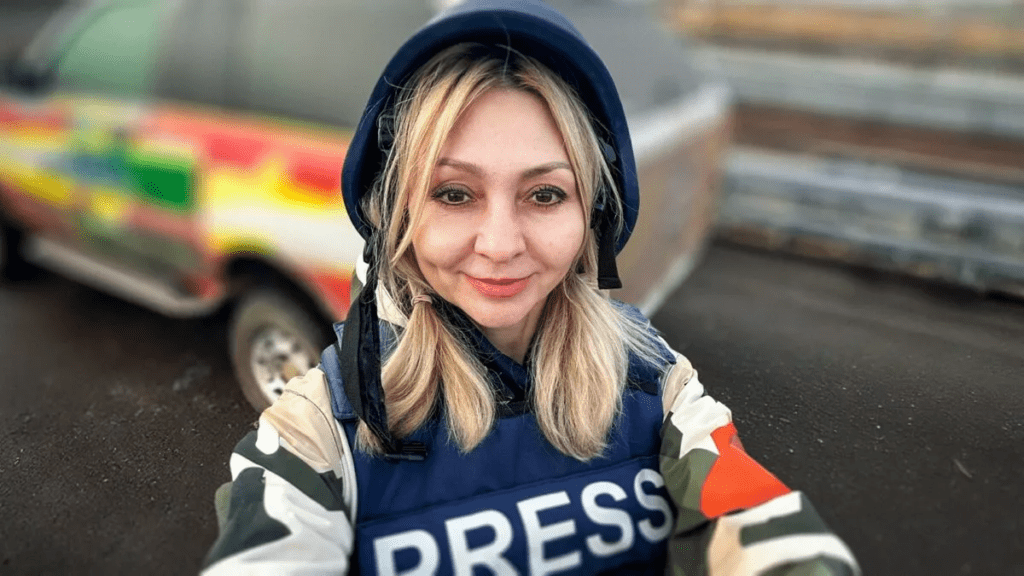
PHOTO: Anastasiya Hlukhovska. From open sources
“We don’t even know if she is alive. And this is the scariest thing – to live without confirmation,” says a person close to the journalist.
More than two and a half years have passed since the detention of Anastasiya Hlukhovska. There is no official confirmation of her whereabouts. Her procedural status is unknown. There has been no contact with her family.
Anastasiya’s story is one of many stories of civilians who are being held without a publicly confirmed status. The only thing that remains unchanged among the journalist’s loved ones is the expectation of an answer about Hlukhovska and the hope for an exchange.










Discussion about this post