

 THE NATIONAL UNION OF
JOURNALISTS OF UKRAINE
THE NATIONAL UNION OF
JOURNALISTS OF UKRAINE
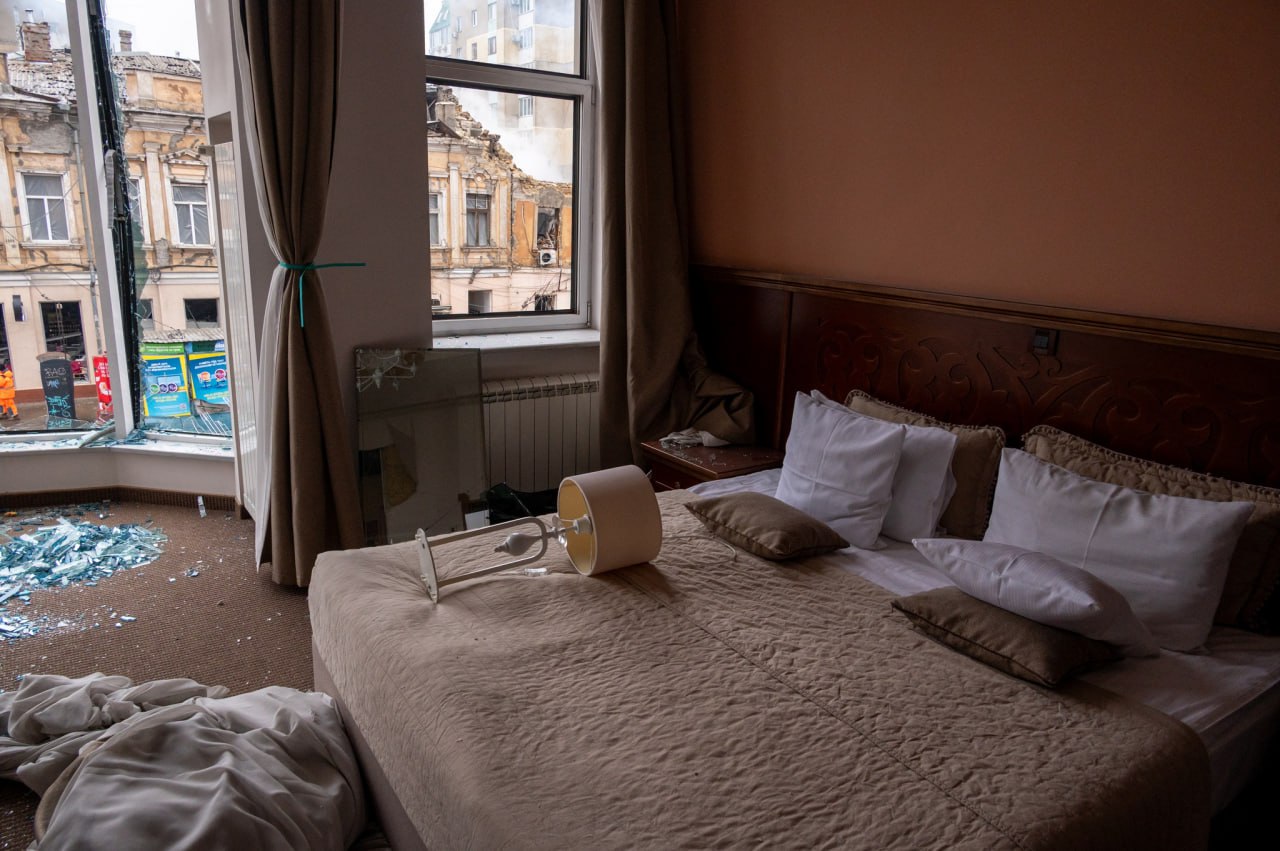
After the massive attack on Odesa by russian Shahed drones on January 27, when five people were killed, and 35 were injured, the Alarus Lux hotel suffered serious damage. The blast wave damaged the facade and interior. The hotel, which was often chosen by foreign journalists and representatives of international organizations due to the availability of shelter and relative safety, will reopen after reconstruction no earlier than May 1.
Fortunately, people survived, the owner of Alarus Lux Zhale Akhmedova emphasized in a conversation with the National Union of Journalists of Ukraine (NUJU).
“For all the time that Odesa has been shelled since the beginning of the full-scale invasion, none of the guests or staff have been injured. We have a safe shelter and a proven mechanism: as soon as the alarm is sounded, we go down to the basement. The staff helps the guests,” noted Zhale Akhmedova.
According to her, the shelter itself often became a determining factor for foreign media workers: among the regular guests were journalists from Britain, France, Germany, Poland, as well as representatives of UN missions and the Red Cross.
British journalist Askold Krushelnytsky, who was in this hotel at the time of the attack, in his material for the Independent, described the moment of the explosion as sudden and powerful — the shock wave broke the windows. The buzz of the shaheeds and explosions threw the residents out of their beds:
“While I was hastily pulling on my clothes and shoes, the drones went into a final dive, emitting a piercing, unreal scream, like the German Stuka bombers did in World War II films.”
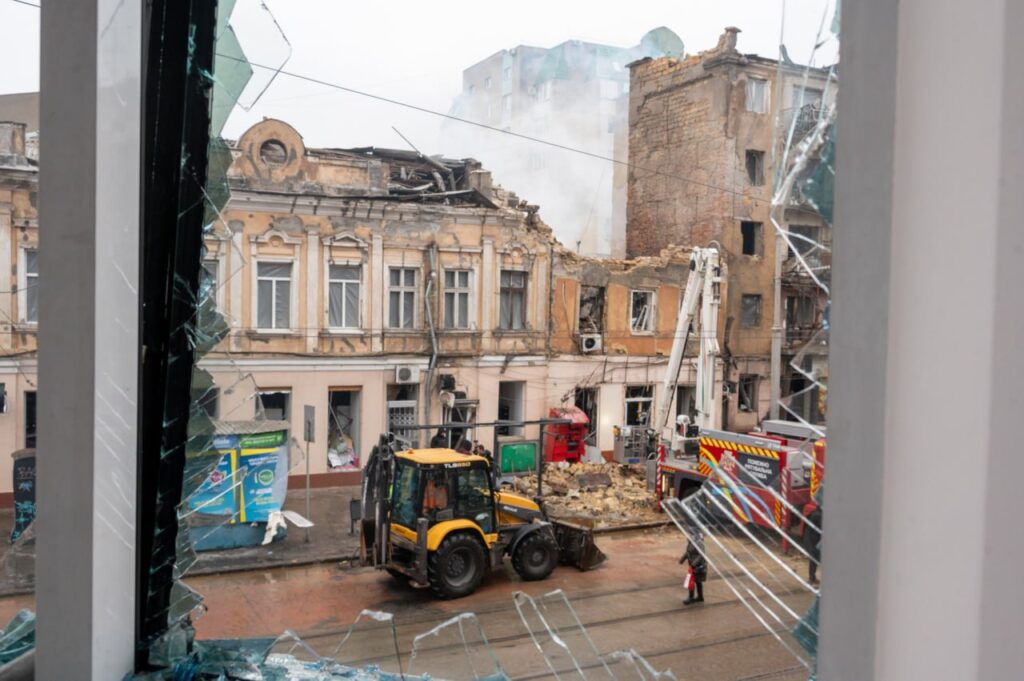
The morning after the shelling, Krushelnytsky was met by international media producer Oleksandr Pavlov, who had survived the attack in a bunker in Oleksandrivske, a few blocks away. In the morning, he and journalists from the leading Italian newspaper La Stampa documented the aftermath of the terrible night:
“Several blocks along the street were destroyed, facades were shattered, debris was everywhere… The Baptist church lay in ruins. It was truly a terrible hit.”
Journalist Monica Perosino from La Stampa noted on her Facebook page at the time, posting a photo of the devastated city: “Even the Nazis during World War II preserved the historic center of Odesa. Tonight — drones over schools, houses, churches, and UNESCO heritage…”
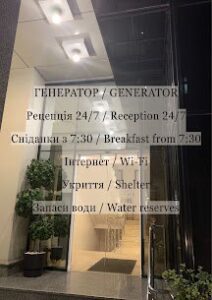 The attack on January 27 was another confirmation of a dangerous trend: the Ukrainian “pearl by the sea” remains one of the priority targets of russian strikes. And the paradox is that facilities with shelters, established security protocols, and an international presence can automatically find themselves in a zone of increased risk. For journalists working in frontline cities, war blurs the line between “relative safety” and a real threat. Even facilities created for protection cannot be completely secure; they only increase the chances of survival.
As a reminder, Odesa has suffered many strikes on civilian infrastructure, in particular on hotels and historical buildings. Thus, during the missile shelling of the center of Odesa on January 31, 2025, russian troops struck the historical part of the city, which is included in the UNESCO World Heritage List. As a result of this strike, the Bristol Hotel, a monument of architecture from the late 19th century, was significantly damaged. In addition, during a massive russian drone strike on July 24, 2025, several historical sites in the center of Odesa were damaged, including buildings that functioned as hotels — in particular, the London Hotel and the building that was once called the Hotel de Versal (Rodokonaki House). Earlier attacks, for example, in September 2023, also led to the destruction of the large Odesa hotel complex near the seaport. Civilians were injured during these strikes. As the NUJU information service wrote, russia has been deliberately targeting Ukrainian hotels since 2023. “Such attacks on civilian infrastructure used by journalists and humanitarian workers are a war crime and a gross violation of international law,” emphasized President of the NUJU, Sergiy Tomilenko. “The destruction of hotels is a deliberate tactic of intimidation of media professionals in order to limit coverage of the war in international media.”
Viktoriya Maliovana
NUJU Information Service
















Discussion about this post