
 THE NATIONAL UNION OF
JOURNALISTS OF UKRAINE
THE NATIONAL UNION OF
JOURNALISTS OF UKRAINE
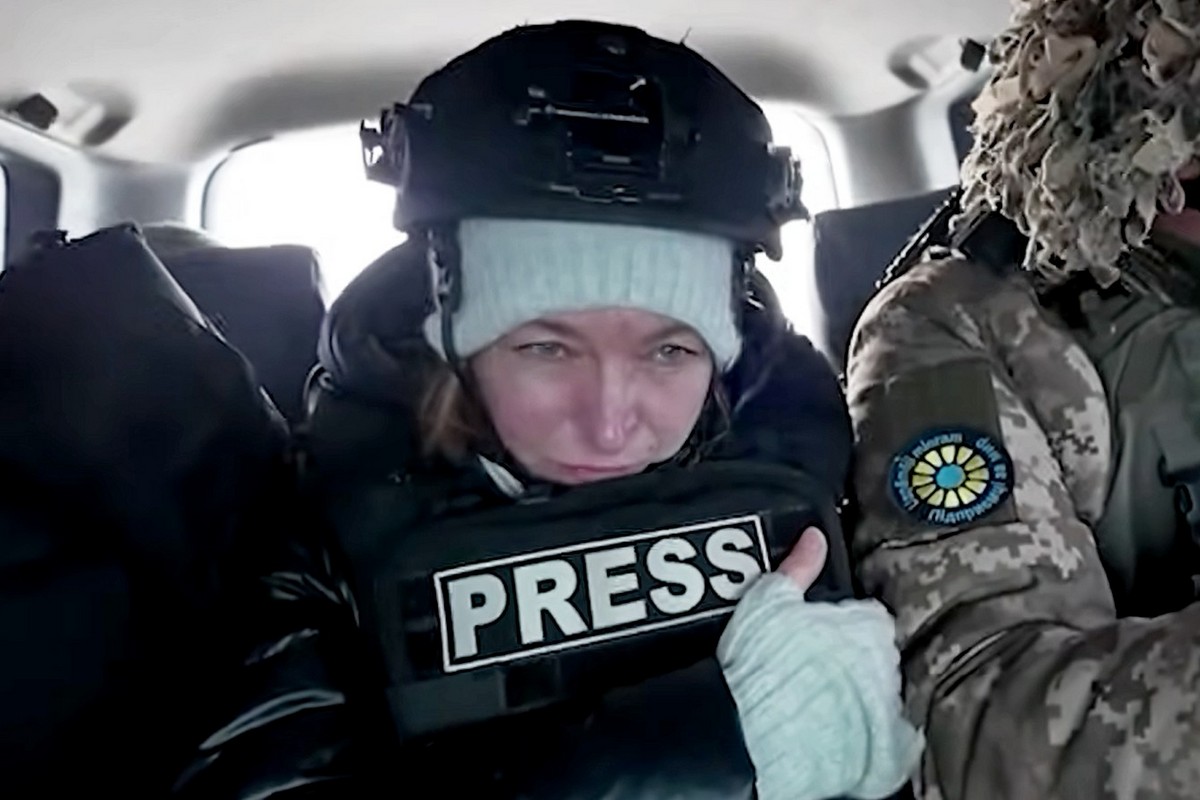
The Latvian Public Media team survived a russian drone attack near the frontline. In an exclusive interview with the National Union of Journalists of Ukraine (NUJU), Odita Krenberga spoke about the second between life and death, professional duty, and why Latvian media consider it fundamental to work on the frontline.
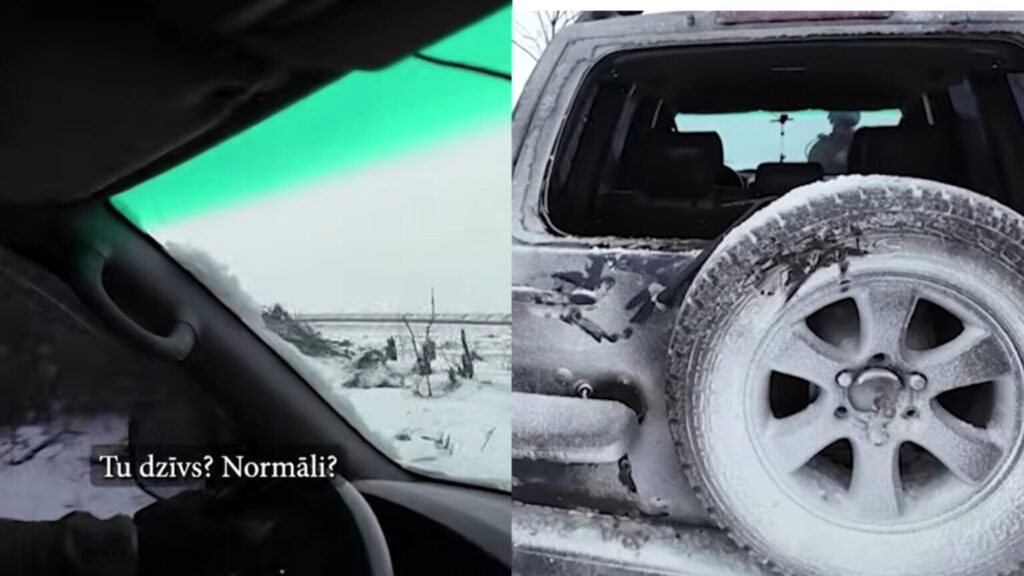
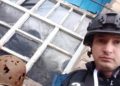
Latvian Public Media (LSM) journalist Odita Krenberga and cameraman Aigars Kovaļevskis were attacked by a russian drone while working in a combat zone in Ukraine. This happened when the team, together with Ukrainian soldiers, were heading to the positions of one of the units. The drone exploded near the car, damaging the rear of the car with debris and breaking the window. Thanks to the quick reaction of the driver – Latvian volunteer Aleksandr (callsign “NATO”) – no one from the LSM team or the military was injured.
“We were filming a story about Aleksandr. Our plan was to show how his unit works and what situation they are in now,” says Odita Krenberga.
The team filmed in Belozersk, the city where the unit was previously based. The journalists went to the combat positions.
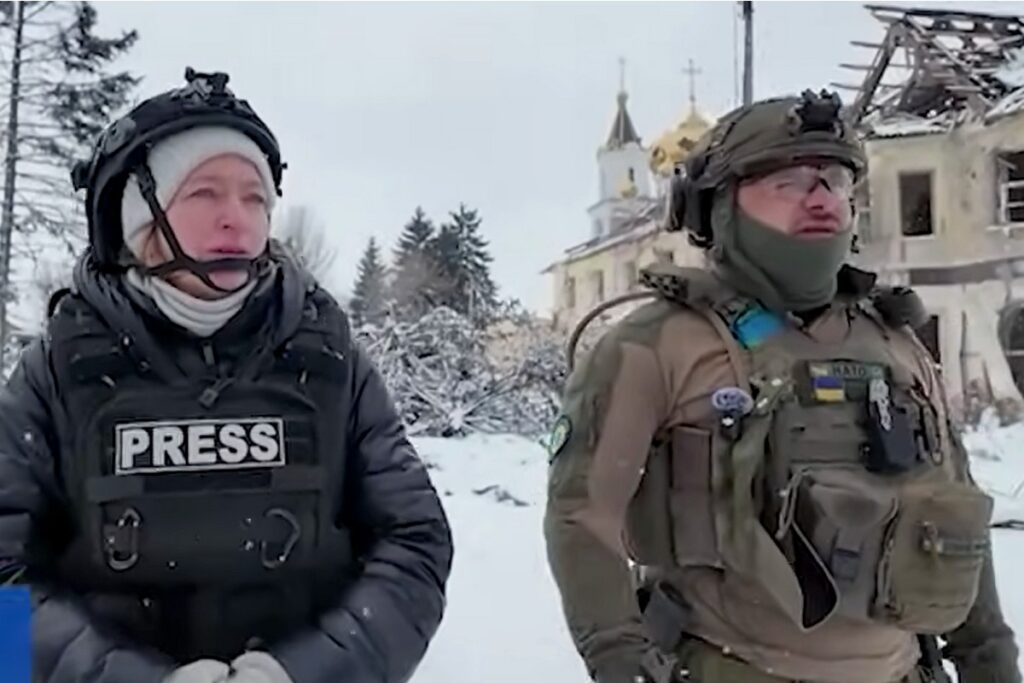
“Aleksandr was driving. Suddenly, he shouted – drone! At that moment, my colleague Aigars managed to turn on the camera, and immediately, there was an explosion. The car window shattered. Aleksandr realized that he had to continue driving as quickly as possible,” continues Odita Krenberga’s story. “It lasted one second. I even thought it was less. But Aleksandr’s reaction saved us, because he managed to react and press the gas pedal at that second.”
The behavior of the Ukrainian military during the attack made a special impression on the journalist.
“All the soldiers were very calm, focused on what was happening. No panic. It helped a lot,” says the journalist.
The realization that everything was okay did not come immediately.
“We fully understood what had happened only when we got out of the car in a safer place and looked at each other,” says Odita Krenberga.
For Odita Krenberga, this is far from the first trip to the combat zone. She first went to the front line in 2015, after the signing of the Minsk agreements.
The journalist says that it is important for Latvian television to show the combat zone so that viewers learn about it from Latvian journalists, through the Latvian experience.
“Our volunteers from Latvia are also taking part in the war. We are obliged to tell about what they are doing there. This is also part of our history,” says the journalist.
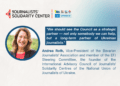
As LSM editor-in-chief Anita Brauna notes, “the LSM team is aware of the risks they take when they go to the defenders of Ukraine and record the everyday reality of war, because it is precisely this presence that allows us to document the true face of war, no matter how dangerous and harsh it may be.”
Of her work under fire, Odita says that she “just does her job” and “tries to do it as well as possible.”
“The work takes up so much time that there is no time to think about the danger to your life. You take it for granted that you can be shot from the moment you cross the Ukrainian border, because there is no safety anywhere,” the journalist says.
Today, journalists working on the frontlines in Ukraine face real threats to their lives every day. One of the newest dangers has become FPV drones — small drones with explosives, which are increasingly being used to attack transport near the front line.
The NUJU, together with international partners, is finding ways to help journalists with the challenges of a full-scale invasion.
“The NUJU constantly analyzes the risks for journalists and provides them with practical recommendations and protective equipment. In particular, we recommend using neutral bulletproof vests and helmets without the inscriptions PRESS to minimize the risk while working on the frontline,” notes Serhiy Tomilenko.
In parallel, the NUJU is developing a network of Journalists’ Solidarity Centers (JSC), created with the support of the International and European Federations of Journalists and UNESCO. Today, six such Centers operate in Ukraine — in Kyiv, Lviv (with a point of presence in Chernivtsi), Ivano-Frankivsk, Kharkiv, Zaporizhzhia, and Dnipro.
They provide Ukrainian and foreign journalists with bulletproof vests, helmets, first-aid kits, and consulting support, preparing them for work in frontline regions.
Despite the danger, the LSM team completed the work on the material about the unit they worked with that day. According to Odita Krenberga, for Latvian journalists, covering the war in Ukraine is not only a professional duty, but also a manifestation of solidarity:
“We ourselves survived the occupation; we understand how important Ukraine’s struggle is not only for Ukrainians, but also for us,” she concludes.
NUJU Information Service









Discussion about this post