

 THE NATIONAL UNION OF
JOURNALISTS OF UKRAINE
THE NATIONAL UNION OF
JOURNALISTS OF UKRAINE
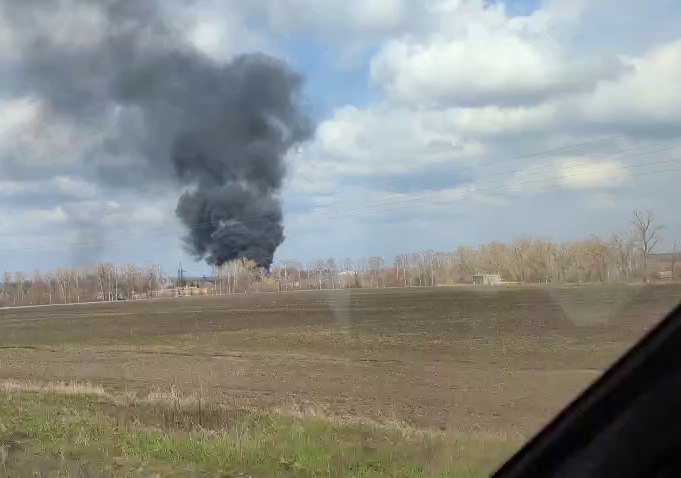
“Chuika is constantly on. And then I clearly see the roof of my car on the screen. And it dawns on me that it’s hanging right above me!” this is what the editor of Zoria, Vasyl Myroshnyk, from Zolochiv experienced the other day. The media person was just returning from filming – covering the problem of restricting the movement of trains to frontline villages due to the danger of drone strikes on the railway, when he himself became a target.
Unfortunately, drones overhead are already a constant reality for frontline Zolochiv, and even more so the territory further away, the villages between it and the border. The danger is spreading closer and closer to Kharkiv. So, just on April 9, the enemy attacked a civilian car on the Zolochiv-Derhachi highway, wounding two people. But when you feel like you’re being hunted, or rather, you’re worried that you’ve just been targeted, that’s a different story.
“I could clearly see my car – the roof. There was another car ahead, five meters ahead of me. I still wanted to overtake it. But the road is bad, so I slowed down a bit. And that’s when I realized that my roof was on the detector screen. And then I was really confused, how to warn the driver in front of me? I have a detector, but it might not be there. It’s good if he notices, or maybe not. What to do? I thought about honking. And if they stop for that? Then it’ll be even worse. There’s a landing nearby, will that driver have time to jump out? Or should I overtake them and somehow signal? All this is in your head in one minute,” shares Vasyl Myroshnyk.
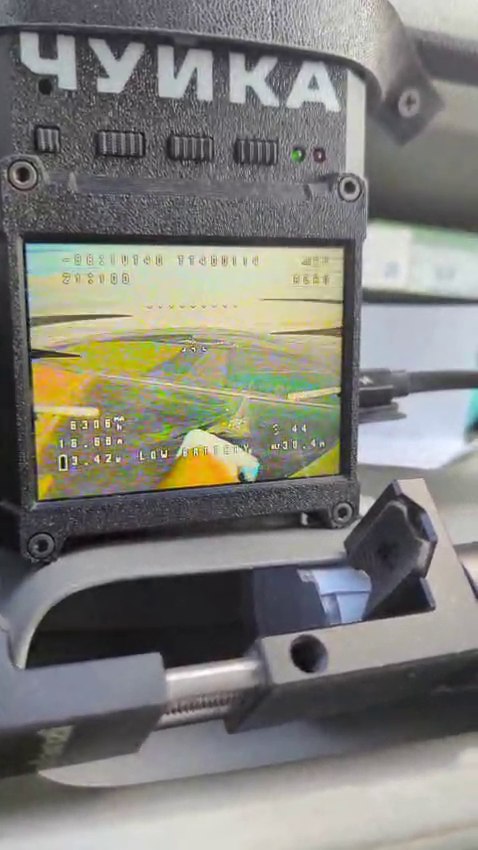
When the team of the Kharkiv Journalists’ Solidarity Center (JSC) handed over the Chuika drone detector to Vasyl Myroshnyk, it seems that they discussed everything necessary for safety: how to use the detector and what to do in a given situation. But reality always adds difficult questions such as how to signal other drivers about the danger of drones and understand what they are telling you yourself? Especially since there is no time to ask questions. There is very little time before a crash or a hit by a kamikaze drone.
Probably, the only advice here would be – maximum concentration of the driver and passengers on the road situation. Frontline roads, which have already been subject to drone attacks and especially those that are constantly attacked by the enemy, are dangerous every minute. Accordingly, you need to monitor and react to everything: from sound to the actions of drivers and maneuvers of cars nearby. Someone making a sharp maneuver is a signal of danger.
Fortunately, the reaction saved both Vasyl Myroshnyk and the driver in front of him.
“I turned around on the spot and turned left. There was a more or less good road through the yards, in short, I pushed it to the metal. I was driving pretty fast and it disappeared from the screen. But then I heard an explosion. The car in front was intact, I found out.”
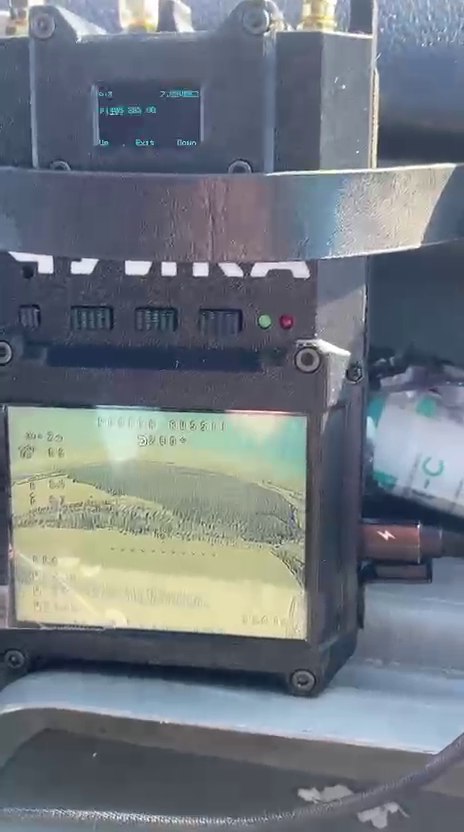
During his trips with the detector, Vasyl Myroshnyk has “caught” a picture of enemy drones dozens of times.
“The detector is actually a very good thing. It doesn’t catch many of them, these flying reptiles. Most importantly, it catches the ones that can hit us. The ones that fly low. Let’s say, the small ones. I don’t know what they’re called, but on the detector screen I saw four propellers like on a quadcopter. Drones, Lightnings, Gerberas – I don’t even remember this zoo anymore. There are a lot of them. Recently, a new one was shot down here – Italmas. Many of them fly purposefully. It doesn’t hunt cars. It is “set” on a target. It flies like a projectile and explodes there. And the smaller ones either fly right behind the cars or sit somewhere in an ambush. You know, they often don’t care who to kill. When their batteries run out, they’ll be lifted onto any car, onto any group of people. This has happened several times. Just any target, so that the projectile doesn’t get lost.”
Vasyl Myroshnyk shared with us several shots of the Chuika while operating. These are the shots when both the propellers and the color map of the area are visible on the screen. He jokes that these are the same relevantly safe situations.
“You’re filming something that, in principle, you understand that it’s more or less not flying at you. Well, to be honest, when it falls at you, you won’t film it. You have to run away.”
As earlier reported, you can rent Chuika drone detectors free of charge in the JSC network. Before using it, we always conduct a brief on its use. And we ask for correct and responsible handling of valuable technical equipment.
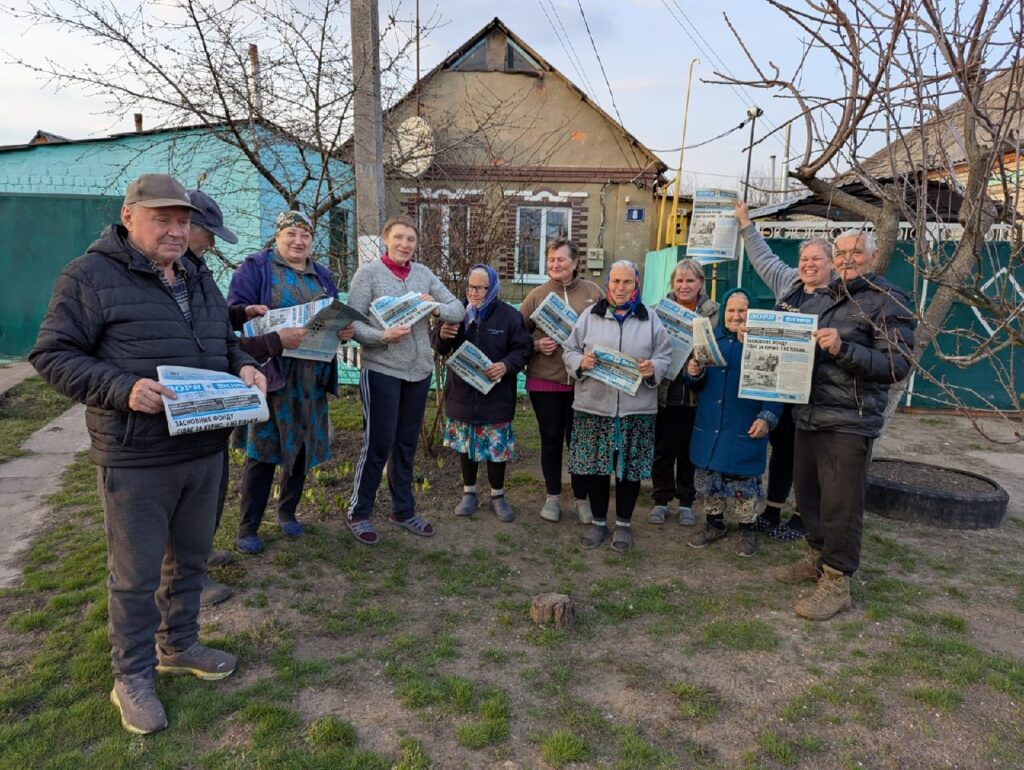
The network of Journalists’ Solidarity Centers is an initiative of the National Union of Journalists of Ukraine, implemented in collaboration with the International and European Federations of Journalists and UNESCO, and with the support of the People of Japan. Our primary goal is to assist media professionals working in Ukraine during the war. The Centers are active in Kyiv, Kharkiv, Zaporizhzhia, Dnipro, Lviv, and Ivano-Frankivsk. The project is part of UNESCO’s broader efforts to support the Safety of Journalists and Freedom of Expression in Ukraine.
Contact the Kharkiv JSC at 093 813 7544 (coordinator Hanna Chernenko).
Kharkiv JSC













Discussion about this post