
- 
French
 - 
fr
German
 - 
de
Italian
 - 
it
Spanish
 - 
es
English
 - 
en
UKR
National Union of Journalist of Ukraine

THE NATIONAL UNION OF
JOURNALISTS OF UKRAINE
No Result
View All Result
DONATE
  • Home
  • News
  • Stories
  • Affected Media
  • Our Partners
  • About NUJU
  • Contacts
No Result
View All Result
  • Home
  • News
  • Stories
  • Affected Media
  • Our Partners
  • About NUJU
  • Contacts
DONATE
THE NATIONAL UNION OF JOURNALISTS OF UKRAINE
No Result
View All Result
  • Home
  • News
  • Stories
  • Our Partners
  • DONATE
Home Stories

The most difficult thing in shooting on the front line is to get permission: a war photographer tells how he covers the war 

NUJU By NUJU
26.12.2024
in Stories
11
0
vladyslav krasnoshhok fb 1
Share on FacebookShare on TwitterSent by emailScan QR

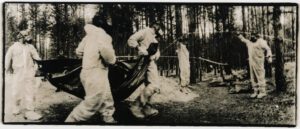
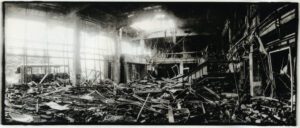
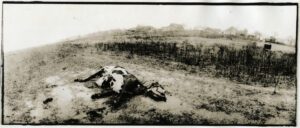
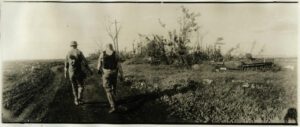
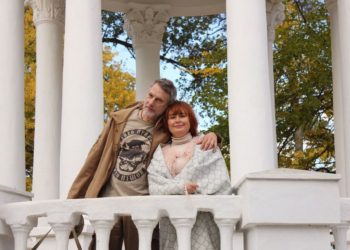
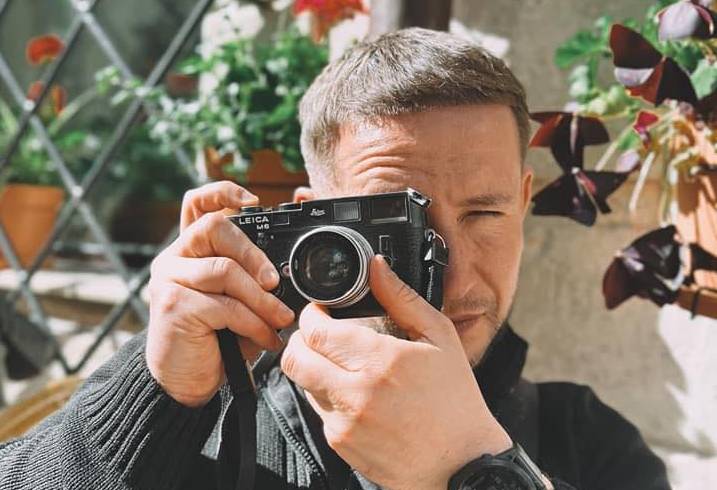
For the first week or two, I just observed what was happening, but then I realized that I needed to document it all. At the beginning of the war, anyone with a camera or phone often faced hostility—not just from locals, but also from the military, police, and others. So, I had to approach it carefully, step by step. Eventually, I was able to start filming. Once you start documenting, you also need some sort of authorization to continue doing it. 

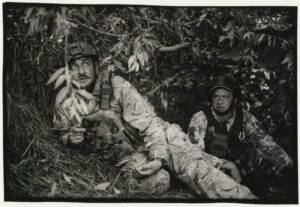
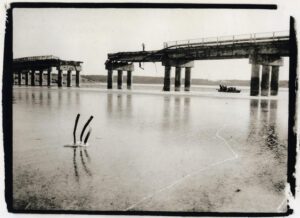
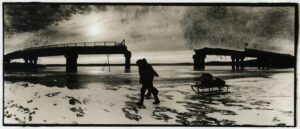
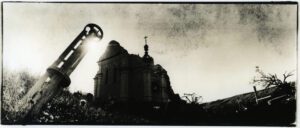
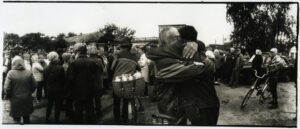
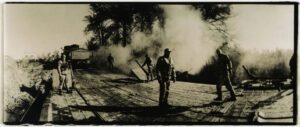
I’ve always dreamed of filming war. I used to think that war would eventually come to us, and my motivation was to ensure this story remains for future generations. My goal was to capture this war as beautifully as possible, in line with my vision. Ultimately, I wanted to turn it into my own book. I shoot on black-and-white film, develop it myself, and print it in a darkroom. When I scan my prints, that’s when the photo becomes ready to show. The idea behind creating a book is to make something archival, something that will remain a part of history. A book has a certain permanence. Even if an archive is destroyed—say, by a bomb hitting the building—a book can survive and preserve the story you’ve captured. This isn’t something unique to me. Many people filming war have similar experiences. Tragically, more than 70 journalists and photographers have already been killed in this war. It’s a harsh reality, but the experience itself shapes your vision. It’s unpredictable—you never know if something will happen today or not.
 

2024 11 06 17.18.00 scaled 1
2024 11 06 17.17.48 scaled 1
2024 11 06 17.13.21 scaled 1
2024 11 06 17.14.16 scaled 1
2024 11 06 17.14.55 scaled 1
2024 11 06 17.17.28 scaled 1
2024 11 06 17.16.38 scaled 1
2024 11 06 17.15.58 scaled 1
2024 11 06 17.15.52 scaled 1
2024 11 06 17.18.27 scaled 2

I remember one particular day vividly. We were in the Pokrovsk region, filming during an artillery attack. We were doing our job when suddenly the shelling intensified, and one of the shells hit our dugout. Shrapnel from the explosion came through a ventilation hole and struck Olga. Those of us who weren’t wearing protective gear sustained injuries, and she was seriously wounded. She’s still rehabilitating her arm. Thankfully, everyone survived, but it was a stark reminder of the risks we face. I don’t do this for money. I don’t need to zoom in for dramatic shots; I film because I love it. It’s something deeply important to me. However, I wouldn’t say I’m ready to die for it. Safety must always come first. What keeps me going is the creative process—it’s what fuels me, even on tough days. 
iz sajtu suspilne

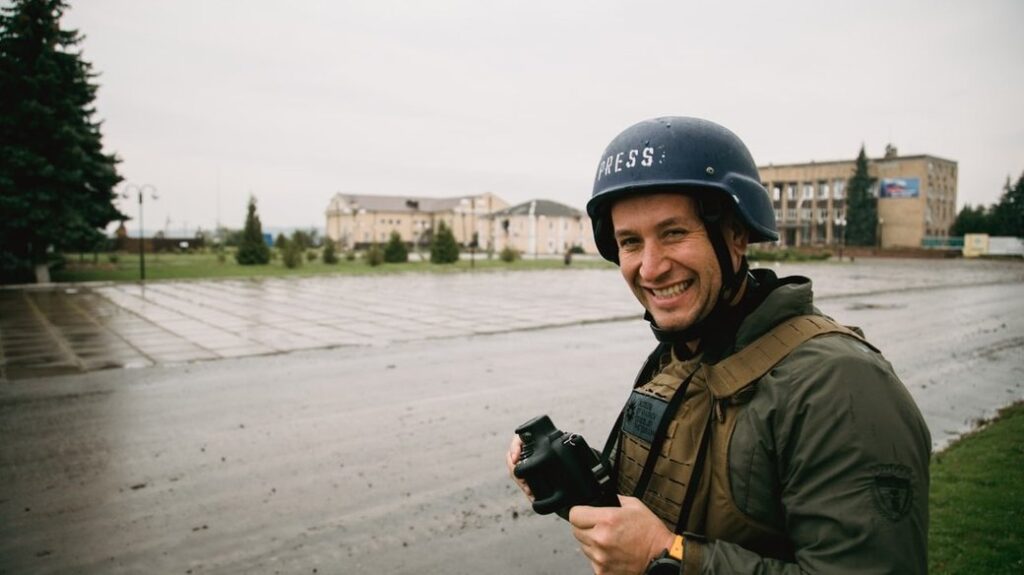
During the Maidan protests, it was easy to capture the energy of the moment because so much was happening in one concentrated space. In contrast, war zones require a different mindset. If you’re a photographer, you need to constantly assess the risks and take care of your safety. Plan your shots carefully and decide how much danger you’re willing to face. If a shot is absolutely necessary, you take it. If it’s too dangerous, it might be better to wait. Remember, if you lose your life, your work stops there. People might remember you for a week or so, but that’s it. So, prioritize your safety above all else. 

Created as part of the project “Raising awareness among target groups in Ukraine and abroad about Russian war crimes against journalists in 2024 and increasing public pressure for the release of captured journalists”, which is implemented by the National Union of Journalists of Ukraine with support of the Swedish non-profit human rights organization Civil Rights Defenders.
Previous Post

Violetta Pedorych: “Russians deliberately shell hotels where foreign journalists stay”

Next Post

The lens of war: how a Kharkiv photographer recovers from an injury

Related Articles

Znimok ekrana 2025 11 07 o 12.01.30
News

The National Union of Journalists of Ukraine presents a legal analysis on ensuring the rights of civilian captives and their families

2025/11
prez zal 1024x681 1
News

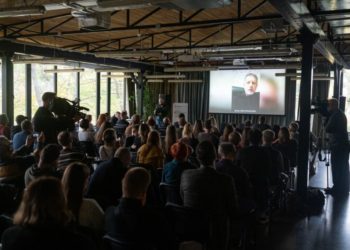
Victoria’s List: Finding Those Involved in the Detention and Torture of Ukrainian Journalists

2025/11
photo 2025 01 03 12 13 22 7
Stories

Olena Tsyhipa, wife of Russian civilian prisoner Sergiy Tsyhipa:  “We cannot live, wake up, or breathe peacefully while our loved ones remain in captivity.”

2025/01

Discussion about this post

TOP News

  • photo 2023 05 10 15 21 00 768x585 1

    List of journalists killed since start of russia’s full-scale aggression (UPDATE)

    443 shares
    Share 177 Tweet 111
  • War correspondents given 5 drone detectors – NUJU and Ukrainian manufacturer’s initiative

    5 shares
    Share 2 Tweet 1
  • Front-line Journalists’ Safety: Journalists’ Solidarity Centers Provide Crucial Support

    17 shares
    Share 7 Tweet 4
d1 1 1024x576 1

Dnipro under fire again: journalist Viktoriya Sydorenko’s home damaged

03.02.2026
1024x512px foto tekst 1 1

Suspilne Dnipro film crew comes under russian attack

03.02.2026
imi1

IMI office flooded: journalists left without workspace and equipment

30.01.2026
Photo: Facebook / Yevheniya Kravchuk

Protection of journalists based on ECHR’s experience discussed in Strasbourg – Yevheniya Kravchuk

30.01.2026
bez nazvy2

“Ukrainians need local security information the most,” Sergiy Tomilenko

28.01.2026
Petra Bair. Photo: PACE

Mentor of imprisoned Crimean journalist Iryna Danylovych becomes new PACE president

28.01.2026

National Union of Journalist of Ukraine

National Union of Journalists of Ukraine (NUJU), according to its Statute, it is a national all-Ukrainian organization a creative union uniting journalists and other media workers.

Contacts

E-mail: [email protected]

© 2023 NUJU - National Union of Journalist of Ukraine

  • Home
  • News
  • Stories
  • Affected Media
  • Our Partners
  • About NUJU
  • Contacts
No Result
View All Result

© 2023 - 2025 NUJU - National Union of Journalist of Ukraine

Welcome Back!

Login to your account below

Forgotten Password?

Retrieve your password

Please enter your username or email address to reset your password.

Log In