

 THE NATIONAL UNION OF
JOURNALISTS OF UKRAINE
THE NATIONAL UNION OF
JOURNALISTS OF UKRAINE
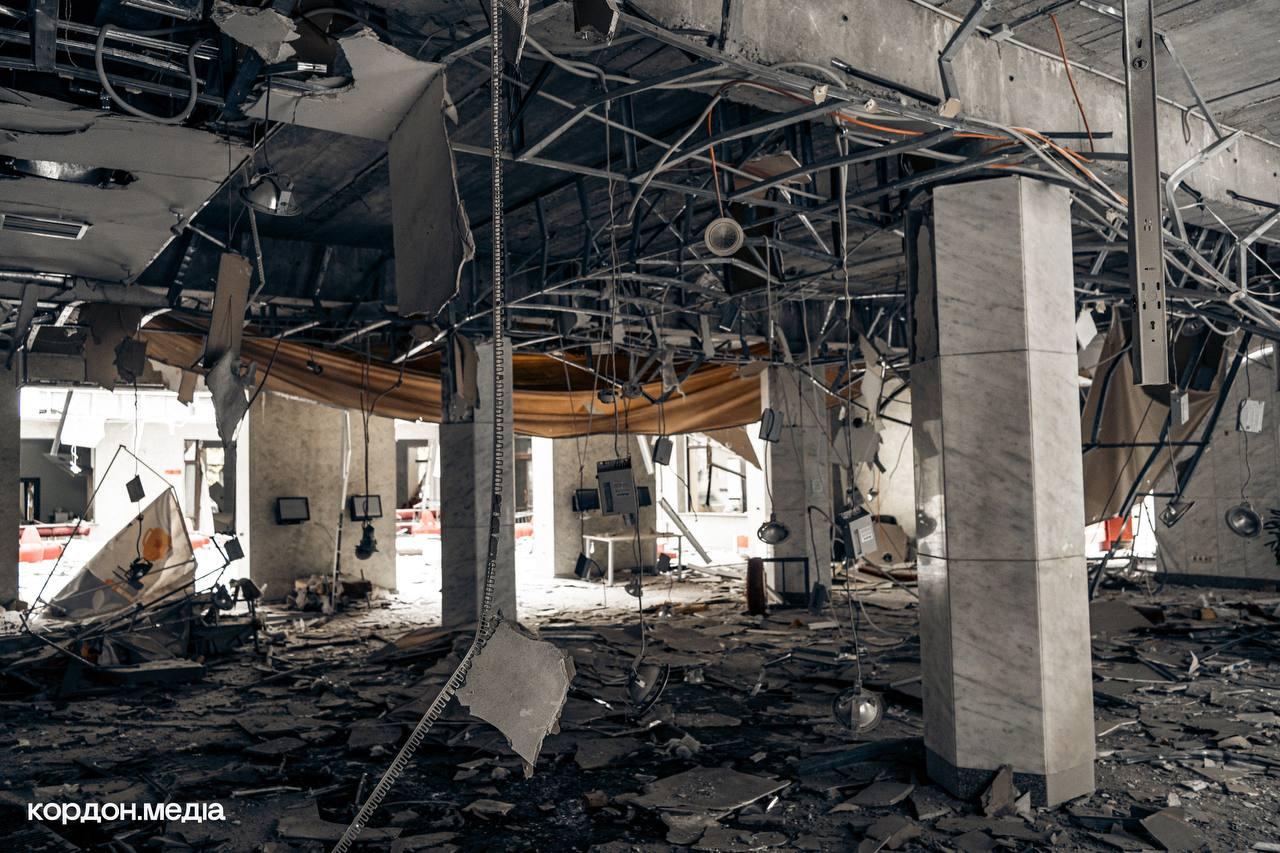
The number of attacks on media representatives in Ukraine in 2025 increased by 32% compared to the previous year. The National Union of Journalists of Ukraine (NUJU) publishes an annual security report on attacks and threats against journalists and newsrooms in Ukraine.
In 2025, NUJU experts recorded 160 cases of attacks or threats against professional and citizen journalists, newsrooms of traditional and online media. This is a significant increase compared to 121 incidents in 2024. However, the situation remains less critical than in 2022, when 277 attacks were documented. 64% of all incidents were committed by the armed forces of the russian federation. The recorded cases are reflected by NUJU experts on the Media Risk Map of the Justice for Journalists Foundation.
In 2025, three journalists were killed in the performance of their professional duties – all as a result of strikes by russian drones. On October 3, French photojournalist Antoni Lallican died near Druzhkivka (Donetsk Region) – the car in which he was traveling with his Ukrainian colleague Heorhii Ivanchenko was attacked by a russian FPV drone. Ivanchenko received serious injuries, as a result of which his leg had to be amputated.
On October 23, a russian strike drone Lancet deliberately attacked a film crew of the FREEDOM TV channel in Kramatorsk. War correspondent Aliyona Hramova (Hubanova) and cameraman Yevhen Karmazin were killed. Special correspondent Oleksandr Kolychev was seriously injured.
In addition, on February 25, Ukrinform journalist Tetiana Kulyk was killed in her home in a suburb of Kyiv during a night drone attack.

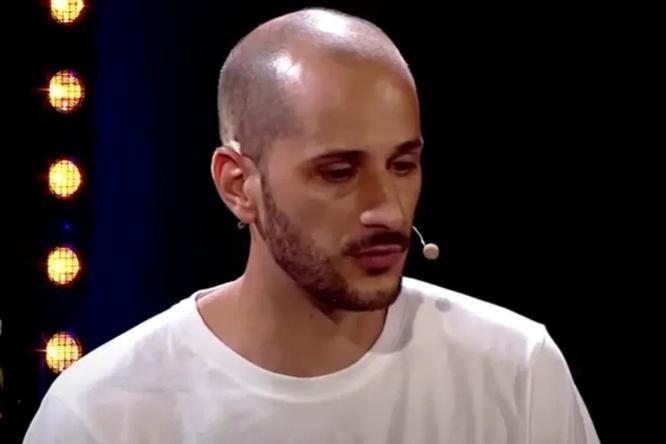
The working conditions of journalists have deteriorated sharply due to the increase in the range of russian strike drones. If previously zones further than 5 km from the contact line were considered relatively safe, now settlements up to 30 km from the front have become hit zones. Fiber-optic drones – the so-called “zhduny [project-russian waiters]” – pose a particular threat, which is almost invisible to electronic warfare equipment.
“The most dangerous thing today is not the front line, but the sky,” says Volodymyr Pavlov, a journalist, fixer for Reuters and Channel 24, who regularly works in the Kharkiv, Sumy, and Donetsk regions. “FPV drones are fast, quiet, and unpredictable. Some openly hunt you, others wait like a trap – hidden, invisible, patient. When you realize that they are nearby, you have seconds, and sometimes less, to save your life. There are no special tactics for journalists. For the enemy, everything is simple: if he sees a target, he hits. Machine, camera, person – there is no difference. Therefore, survival now depends on knowledge, equipment, and solidarity. Without detectors, protective gear, and safe places to regroup, many of us would not have survived while preparing our materials.”
Over the four years of the full-scale invasion, at least 140 media workers, both Ukrainian and foreign, have died: 109 while serving in the armed forces, 21 while performing their professional duties, and 10 as a result of attacks on civilians and civilian infrastructure.
In 2025, at least 72 incidents involving damage to journalists’ offices, vehicles, equipment, and homes were recorded—45% of all incidents. As a result of massive russian strikes, the offices of key media outlets were hit:
- February 12 and April 6—the offices of the FREEDOM and Dom TV channels and the international foreign service bureaus in Kyiv were hit twice;
- August 28—the offices of the Kyiv bureau of Radio Liberty and Ukrainska Pravda were hit;
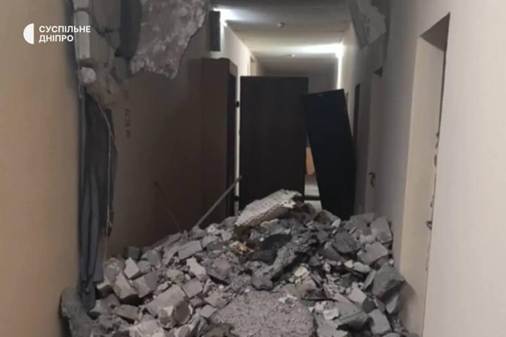
- November 17 – the building of the newsroom of Suspilne Dnipro and Ukrainian Radio Dnipro was destroyed;
- November 25 – the building of Suspilne Zaporizhzhia was damaged.
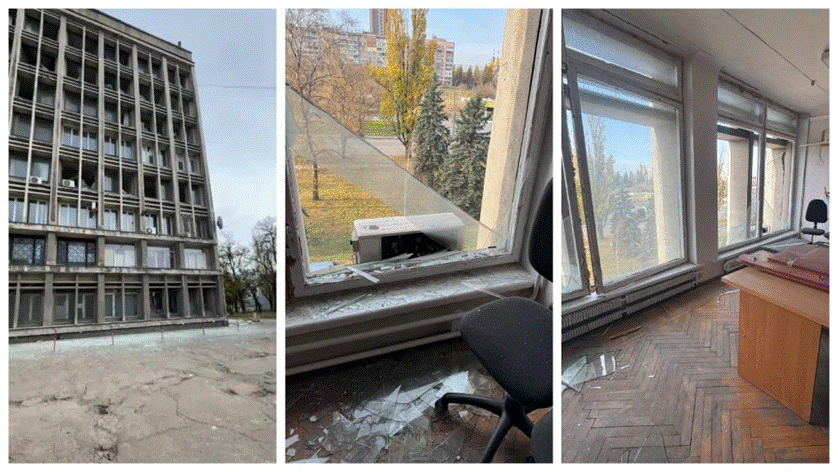
On the night of November 16, 2025, during a russian drone attack in Dnipro, the premises where the Dnipropetrovsk regional organization of the NUJU and the left-bank office of the Journalists’ Solidarity Center (JSC) were located were damaged. The blast wave broke windows, damaged frames, and part of the property. The newsrooms of the newspaper Visti Prydniproviya, the media Dnipro Inform and Novyny Pidhorodne, which are located in the same complex, as well as the premises of the NGO Dniprovsky Press Club, were also damaged.
As of January 16, 2026, at least 28 civilian media workers, including Crimean citizen journalists, are in russian captivity. In August 2025, during a prisoner exchange, journalist IA UNIAN Dmytro Khliuk and administrator of the Telegram channel Melitopol is Ukraine, Mark Kaliush, were released.
In addition to military threats, in 2025, four cases of physical attacks on journalists not related to hostilities were recorded – three out of four victims were women. In the category of non-physical and cyberattacks, 48 incidents were recorded: at least 22 cyberattacks, 18 cases of harassment and defamation, and seven cases of unlawful obstruction of journalistic activities.
A case made public in December became resonant: the National Anti-Corruption Bureau, as part of Operation Midas, discovered that members of a criminal organization led by Timur Mindich had detailed dossiers on nine well-known Ukrainian journalists. The police opened a separate investigation into the illegal surveillance of journalists.
According to the RSF World Press FREEDOM Index, Ukraine ranked 62nd out of 180 countries in the FREEDOM of Speech ranking in 2025. Most Ukrainian media, especially regional ones, continue to operate in a significantly reduced format – with minimal salaries, no premises, and a significant reduction in staff. The outflow of personnel remains a serious problem: journalists are moving to better-paid areas, and more and more men are being mobilized into the Armed Forces of Ukraine.
Despite this, the NUJU study Information Needs of Residents of Frontline Territories shows that local media retain the trust of the audience, as 63% of residents of frontline territories have encountered disinformation and need verified sources of information.
NUJU Information Service















Discussion about this post