

 THE NATIONAL UNION OF
JOURNALISTS OF UKRAINE
THE NATIONAL UNION OF
JOURNALISTS OF UKRAINE
The number of victims continues to rise during the russian aggression against Ukraine. Prisoners and civilians who died in detention are being returned from the russian side through a “body exchange” procedure. The bodies that returned home without a word bear traces of torture received in russia and other evidence of war crimes, writes a leading Japanese newspaper, The Japan News.
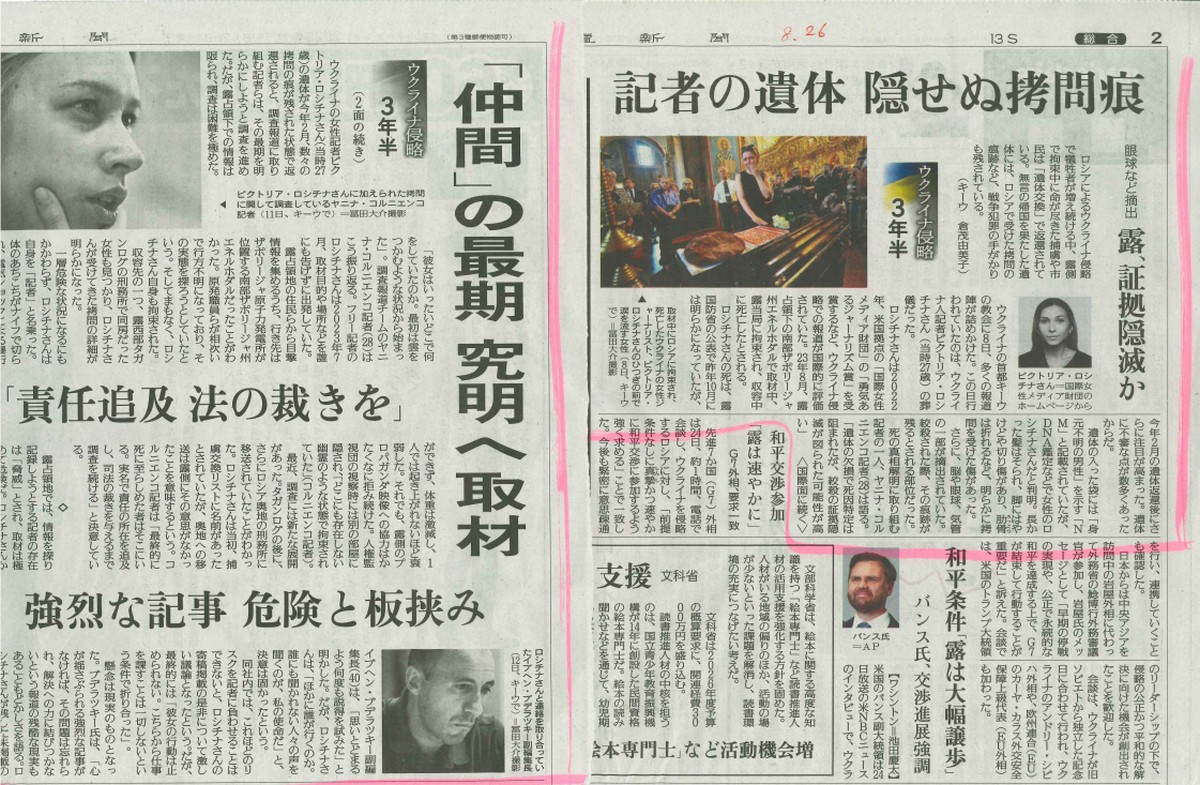
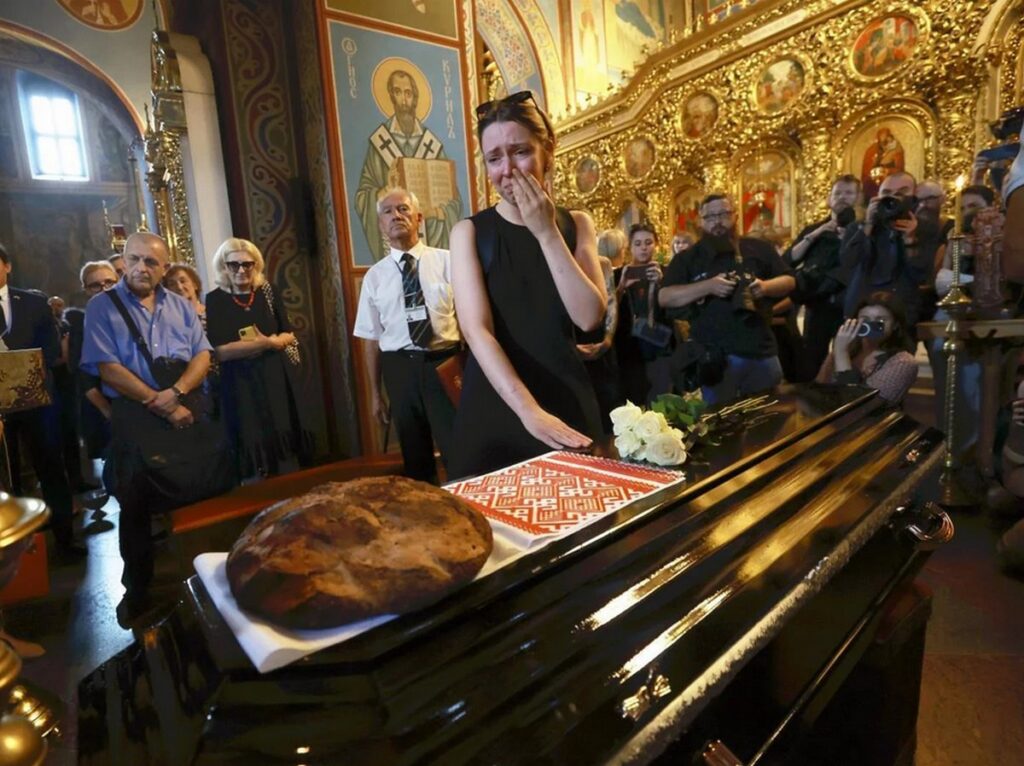
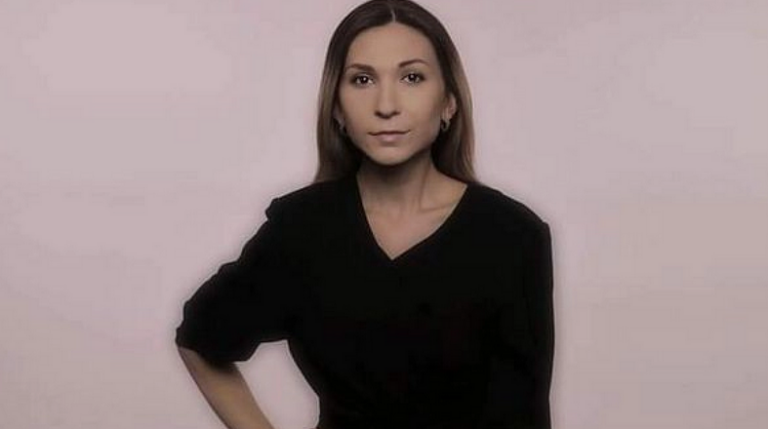
On August 8, numerous media representatives gathered at a church in Kyiv, the capital of Ukraine. That day, the funeral ceremony of Ukrainian journalist Victoria Roshchina took place (she was 27 years old at the time of her death).
Roshchina has received international recognition for her coverage of russian aggression in Ukraine, including the 2022 award from the US-based International Women’s Media Foundation, for Courage in Journalism. In August 2023, she was detained by russian authorities while reporting in Enerhodar, Zaporizhzhia Region, which is under russian occupation. She reportedly died in custody.
The body bag was marked “UM,” meaning “unknown male,” but DNA testing and other tests confirmed that it was Roshchina. Her long hair had been cut off, and there were burns and cuts on her legs, broken ribs, and other obvious signs of torture.
In addition, parts of her brain, eyeballs, and part of her trachea were removed. These are the areas where strangulation marks are usually found.
Yanina Korniyenko (28), one of the journalists working to uncover the truth about the death, says: “The damage to the body prevented us from establishing the cause of death, but there is a high probability that an attempt was made to hide the evidence of strangulation.”
Extremely complex investigation
When Victoria Roshchina’s body was returned in February this year with numerous traces of torture, journalists began an investigation to find out what happened in her last days. However, information from the occupied russian territories was limited, and the investigation turned out to be extremely complex.
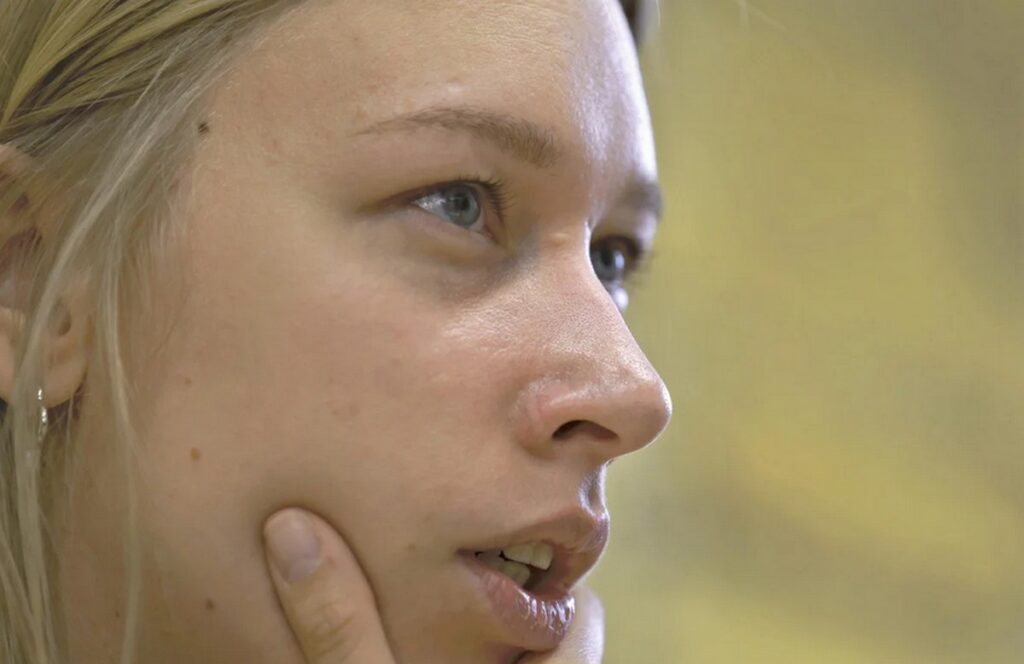
“Where exactly was she and what was she doing?” says Yanina Korniyenko.
Collecting testimonies from residents of the occupied territories, investigative journalists learned that her destination was Enerhodar in the Zaporizhzhia Region, home to the Zaporizhzhia Nuclear Power Plant. It was reported that she was attempting to investigate the situation involving the personnel at the nuclear power plant, who were disappearing one by one without a trace. And Roshchina herself was soon detained.
A woman who had been in the same cell with Roshchina in a prison in Taganrog in western russia was found, and details of the torture Roshchina was subjected to became known.
Despite the danger, Roshchina called herself a journalist in prison. It is reported that various parts of her body were cut with a knife, and she was subjected to electric shock beatings.
She could not eat unsanitary food, her weight dropped sharply, and she became so weak that she could not stand up on her own. Despite this, she steadfastly refused to cooperate with russian propaganda videographers. During visits by human rights monitoring groups, she was hidden in another room. According to Korniyenko, she was “held like a ghost that did not exist at all.”
Recently, a new twist occurred in the investigation. It turned out that after Taganrog, she was transferred to a prison even further into russia.
Roshchina’s name was reportedly on the list for a prisoner exchange, but the transfer deep into the territory meant that there was no such intention on the russian side. Journalist Korniyenko firmly states: “Those who ultimately led her to her death are still there. We will continue the investigation until we establish responsibility by name and obtain a court verdict.”
* * *
In the occupied russian territories, the presence of journalists trying to find and record information is considered a “threat,” and reporting is extremely dangerous. Yevhen Buderatskyi, 40, deputy editor-in-chief of Ukrainska Pravda, which published Roshchina’s articles, said: “We repeatedly tried to convince her to give up the trips.” However, Roshchina’s determination was unwavering: “Who else will go? My mission is to hear the voices of people no one hears.”
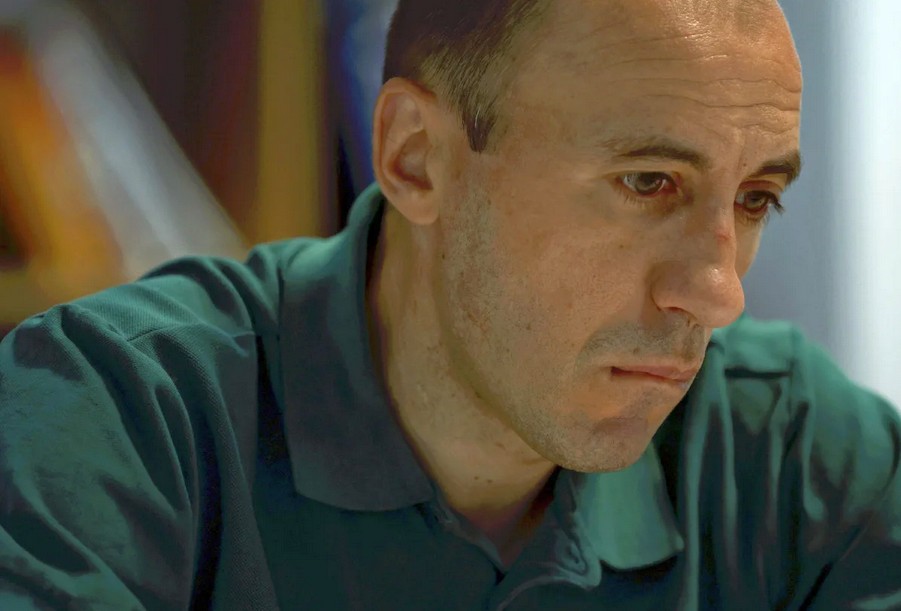
According to him, a heated debate broke out in the newsroom about the advisability of publishing Roshchina’s articles, since it was impossible to put such a risk on a journalist. But in the end, they “reached a compromise with the condition that she still cannot be stopped, and we will not set any tasks for her.”
The concern has become a reality. Buderatskyi expresses his regret: “There is a cruel reality of journalism – without powerful articles that touch the heart, problems are forgotten and do not turn into a force for their solution.”
Unpublished manuscripts left by Roshchina are also planned for future publication.
Kuramoto Yumiko
The Japan News















Discussion about this post