
 THE NATIONAL UNION OF
JOURNALISTS OF UKRAINE
THE NATIONAL UNION OF
JOURNALISTS OF UKRAINE
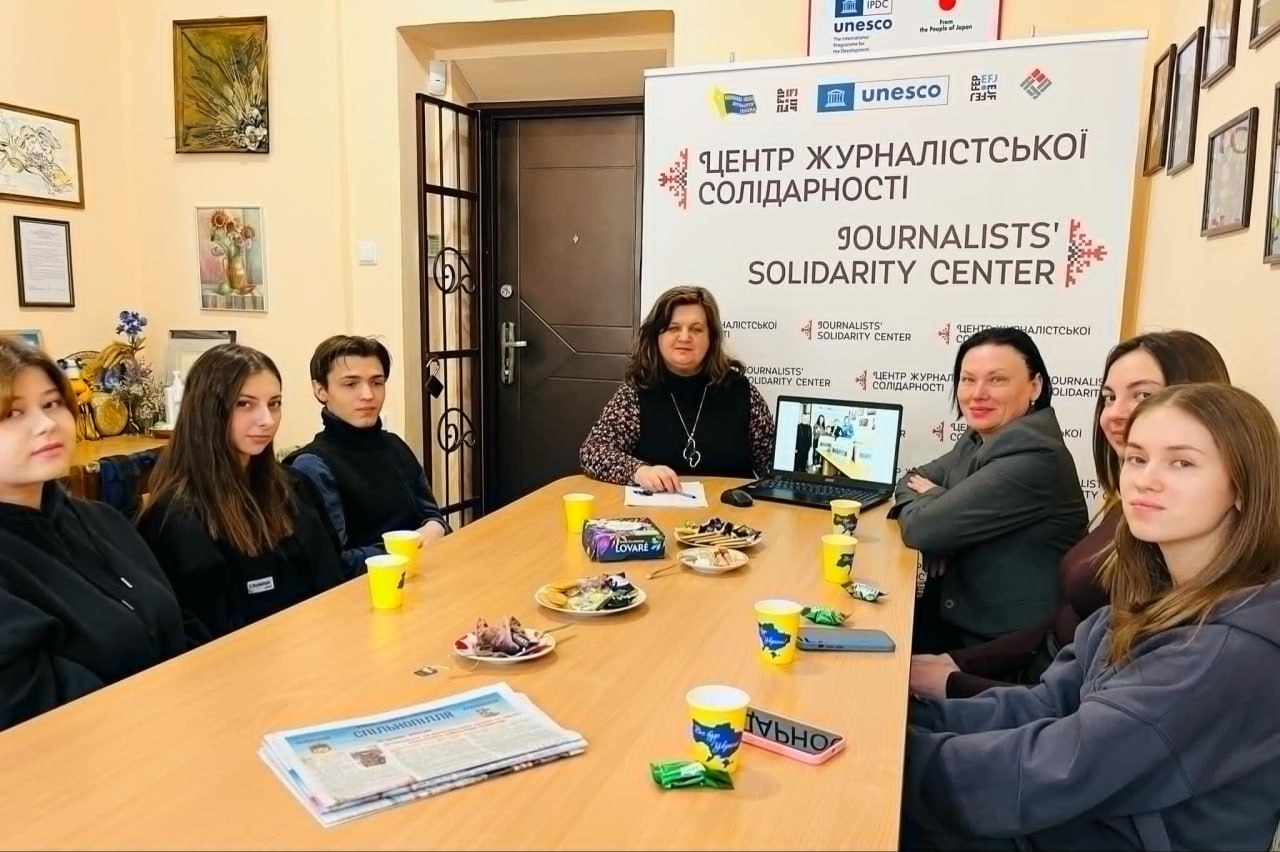
How to work at the scene of emergencies and disasters and what rules of professional safety should be followed – this is what future journalists learned during the training, which took place in the co-working space of the Ivano-Frankivsk Journalists’ Solidarity Center (JSC) of the National Union of Journalists of Ukraine (NUJU). The participants in the event were first-year students of the relevant department of King Danylo University. The coaches were a lecturer at the Department of Journalism, Advertising and Public Relations of the University of Kyiv, a well-known Ukrainian journalist from Kramatorsk, Donetsk Region/deputy editor of the newspaper Technopolis, Vira Iliyina, and assistant of the Center Bohdana Zasidko.
During the training called Useful Tips: From Professionalism to Your Own Safety. How to Work During Emergencies and Disasters, future media workers were told, first of all, about the basic principles of a journalist’s professional activity. The coaches emphasized the need for objectivity and accuracy in presenting information. They particularly emphasized the importance of checking sources and facts before publishing materials and interacting with specialists from relevant services and departments.
The coaches, experienced journalists, shared practical advice on organizing work at the scene of a disaster or emergency and talked about interacting with authorities, aid organizations, press services, and other media.
The training participants learned about the basic principles of journalism in conditions of disasters and crises. They also discussed how to cover emergency events without harming their own safety and health. Future media professionals received recommendations on how to work with affected people at the scene of emergencies, minimizing traumatic impact.
“The work of media workers constantly requires additional attention to personal safety. After all, every journalist, even after leaving the newsroom, remains a journalist. Regarding editorial trips, it is worth noting that when going, in particular, to the scene of an emergency or disaster, it is necessary to assess all the risks of work. There is no universal safety tip or secret, the knowledge of which will forever protect you from problems and risks. However, it is worth remembering that you should always know where you are and have communication equipment with you. If necessary, this will help you get out of a dangerous situation more easily,” noted Bohdana Zasidko.
The speaker drew attention to the basic safety rules that media workers must follow in their work:
- Situational awareness and vigilance. Journalists must understand the general situation regarding the profession and the topic they work with.
- Knowledge of the most likely threats. It is important to analyze all threats that may harm the performance of a professional task or cause harm to life and health.
- Do not put yourself in a vulnerable position. The work of a media worker must be performed in compliance with professional and ethical standards of journalism.
- Try not to stand out. This rule also applies to the appearance of a journalist; for example, do not wear bright clothes in a shelling zone, etc.
Bohdana Zasidko and Vera Iliyina also answered questions from the event participants.
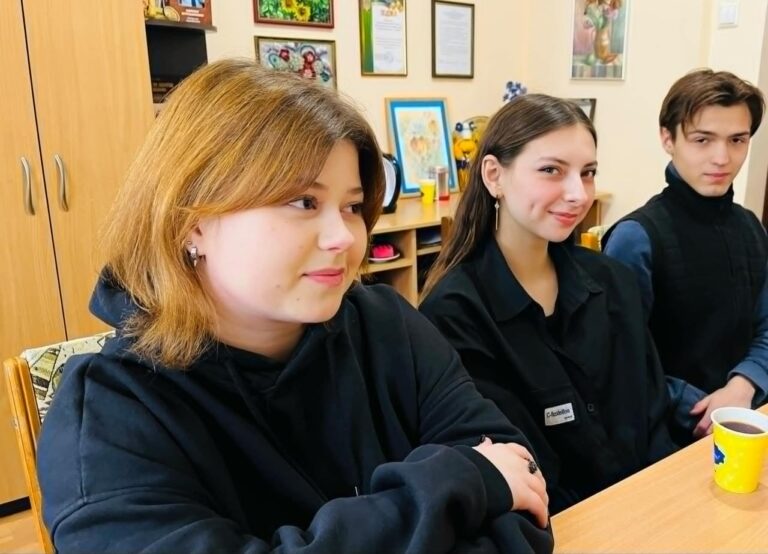
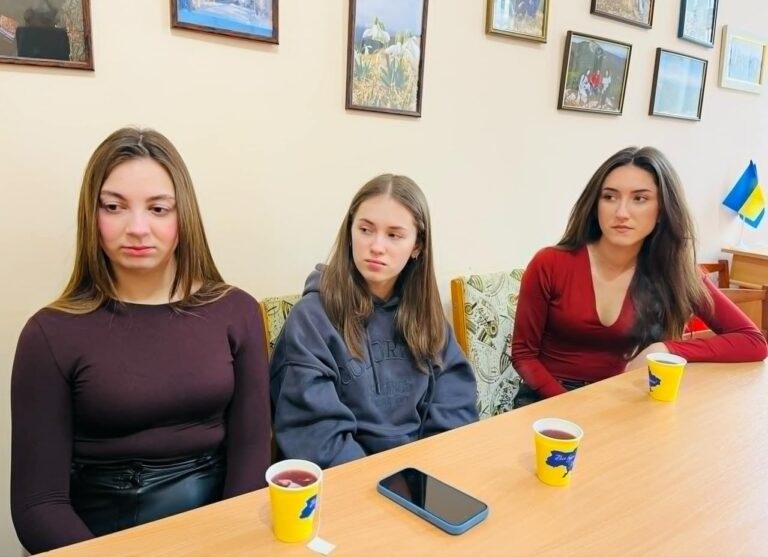
Reference information: A Partnership Agreement has been concluded between the Ivano-Frankivsk JSC of the NUJU and King Daniel University, according to which the priority areas of cooperation are, in particular, the professional orientation of higher education students of the University of Journalism, students’ industrial practice at the Center, and holding joint thematic events and practical classes.
The network of Journalists’ Solidarity Centers is an initiative of the National Union of Journalists of Ukraine, implemented in collaboration with the International and European Federations of Journalists and UNESCO and with the support of the People of Japan. Our primary goal is to assist media professionals working in Ukraine during the war. The Centers are active in Kyiv, Kharkiv, Zaporizhzhia, Dnipro, Lviv, and Ivano-Frankivsk. The project is part of UNESCO’s broader efforts to support the Safety of Journalists and Freedom of Expression in Ukraine.
Call the Ivano-Frankivsk JSC at 066 677 0726 (Viktoriya Plakhta, coordinator of the Ivano-Frankivsk JSC). The Center’s address is 25 Sichovykh Striltsiv Street.
Ivano-Frankivsk JSC









Discussion about this post