
 THE NATIONAL UNION OF
JOURNALISTS OF UKRAINE
THE NATIONAL UNION OF
JOURNALISTS OF UKRAINE
Repressions against citizens involved in the monitoring Telegram channel Belarusian Hajun continue unabated. According to the Viasna human rights center, trials in this case are taking place literally every day.
According to human rights activists, they know of at least 184 confirmed defendants in the Belarusian Hajun case who have been taken into custody. The total number of detainees is much higher — in particular, there is information about detentions that took place back in February of this year.
Since the beginning of 2026, a total of 278 people convicted of “facilitating extremism” have been included in the “list of extremists” of the Belarusian Ministry of Internal Affairs. The vast majority of them are serving sentences for the Belarusian Hajun case. The defendants are mostly sentenced to restrictions of liberty (“domestic chemicals”), but cases of actual deprivation of liberty are also known.
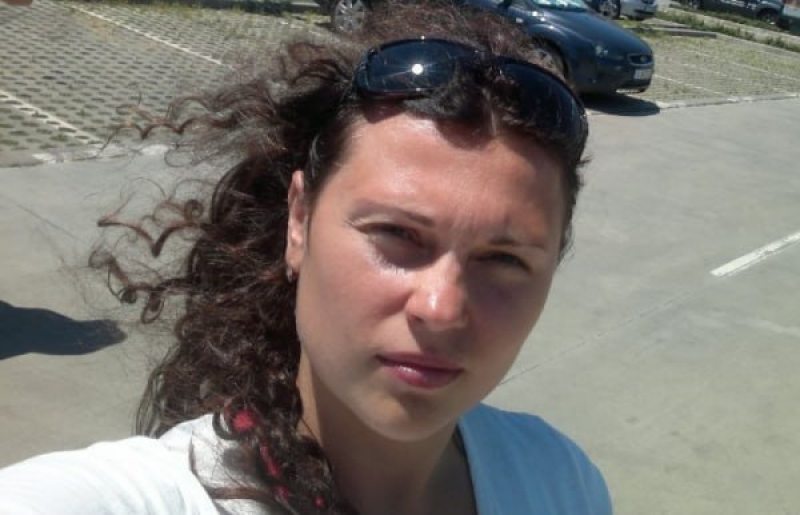
Among the convicted is Gomel resident Kateryna Dubovtsova, who on March 18 was sentenced to 2.5 years of restriction of liberty without being sent to a correctional facility under Sections 1 and 2 of Article 361-4 of the Criminal Code (facilitation of extremist activity). The woman worked at the Gomselmash association, was a member of the local organization of the Belarusian Republican Youth Union (BRYU) and was a member of election commissions on several occasions.
At the same time, the Belarusian authorities continue to expand the “lists of extremist materials and formations.” On April 6, the KGB recognized the Telegram chat Remand Prison 1 Koliadychi as an “extremist formation,” along with ten more Telegram chats, nine Viber chats, and three groups on VKontakte. These are chats of relatives of prisoners in remand prisons and colonies. Convicted persons during phone calls ask their relatives to leave these chats, warning: all participants may fall under the “extremist” article.
The situation with the persecution in the Belarusian Hajun case is part of the systemic repression against independent media and their audiences in Belarus, where the very fact of subscribing to an information channel becomes grounds for criminal prosecution.














Discussion about this post