
 THE NATIONAL UNION OF
JOURNALISTS OF UKRAINE
THE NATIONAL UNION OF
JOURNALISTS OF UKRAINE
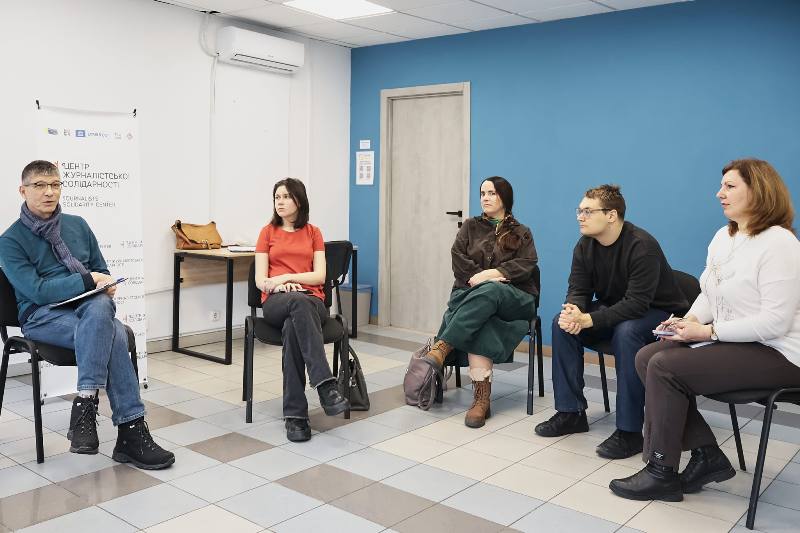
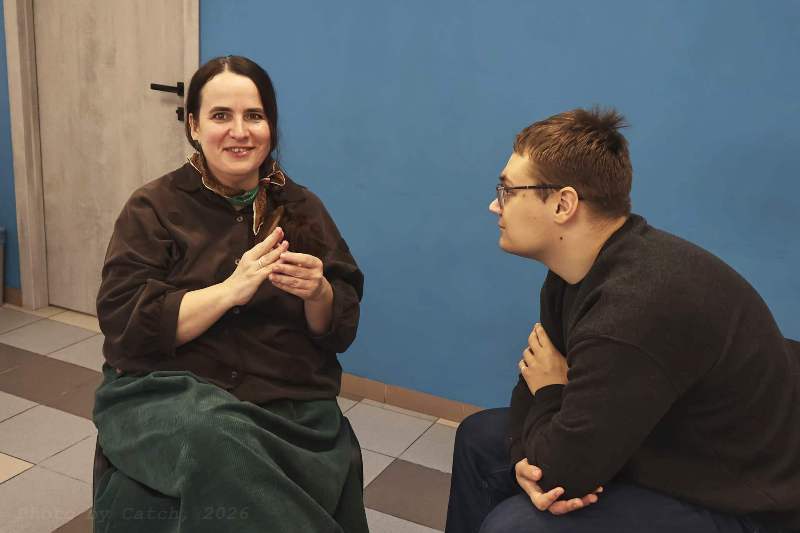
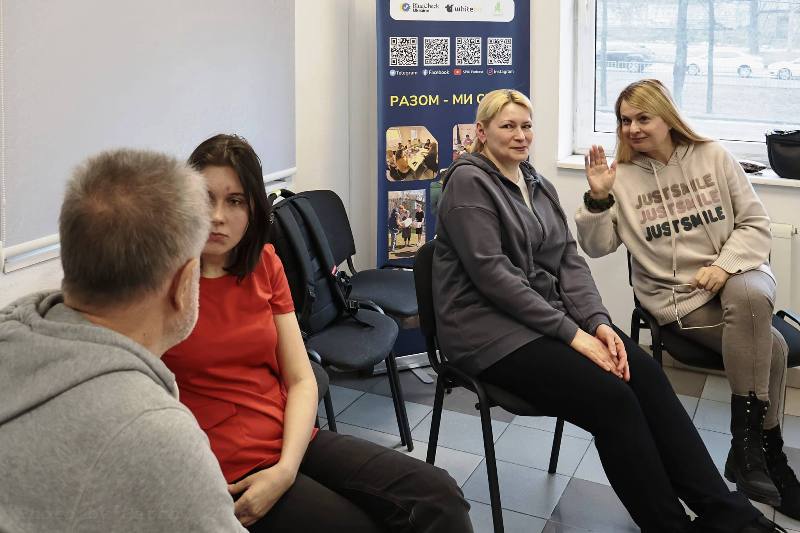
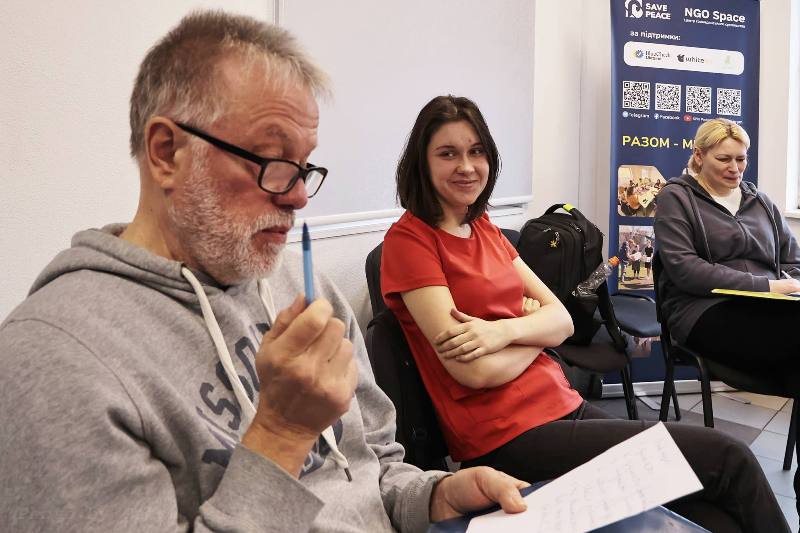
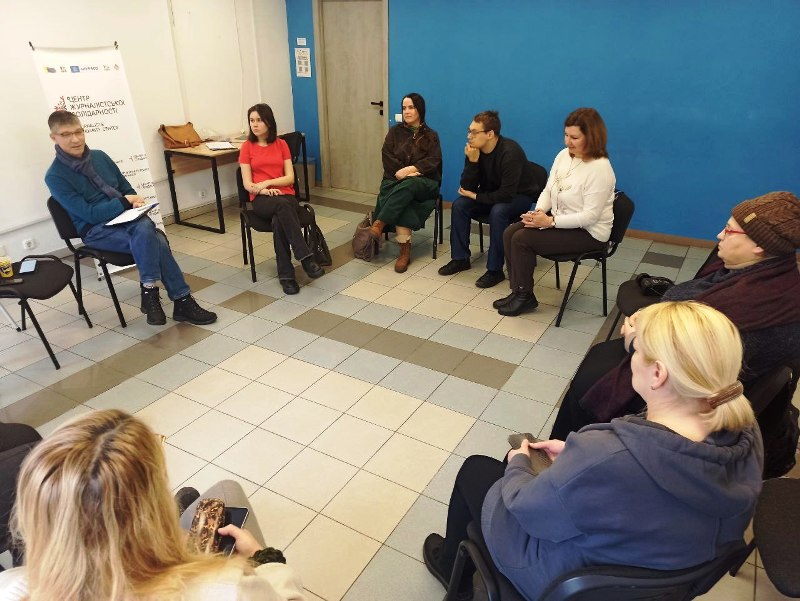
How to maintain internal balance in conditions of prolonged constant uncertainty? How to learn to manage one’s own state when external circumstances cannot be changed? This was what the participants of the psychological training called ‘Director, not performer: how to regain control of oneself in conditions of instability’ talked about. It was held for media workers of the region in Dnipro last week.
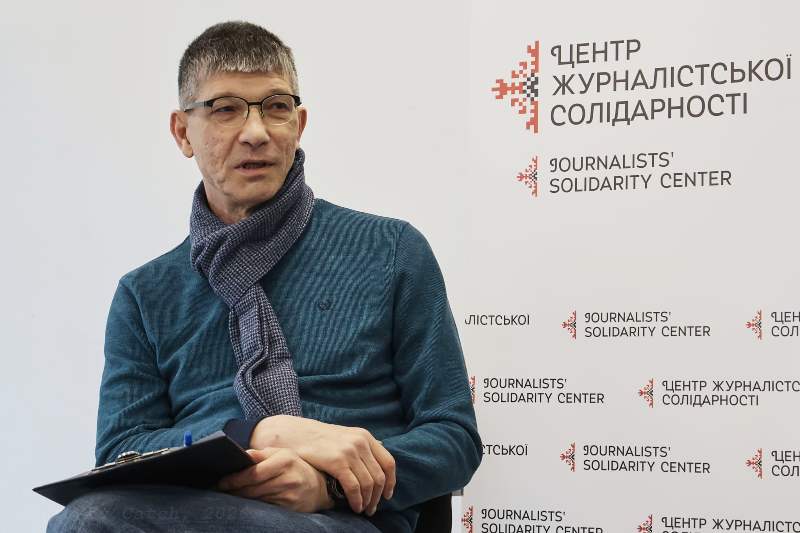
The event was organized by the Dnipro Journalists’ Solidarity Center (JSC) of the National Union of Journalists of Ukraine (NUJU) in partnership with the Ofis Dii non-governmental organization. Together with an experienced psychologist and coach from the Holos Pro NGO, Oleksandr Makukha, the participants explored how, in difficult life conditions, not to lose the position of a person who acts and makes decisions, and not just reacts to challenges.
“In a state of constant uncertainty, when plans collapse, usual guidelines disappear, a person often loses a sense of subjectivity – the ability to act, choose, and manage oneself – and begins to only react to circumstances,” the psychologist explained. “Our task is to return the position of ‘director of our own life’, learn to distinguish what we can control and what we cannot, manage our own emotional state, and act based on our personal values and meanings.
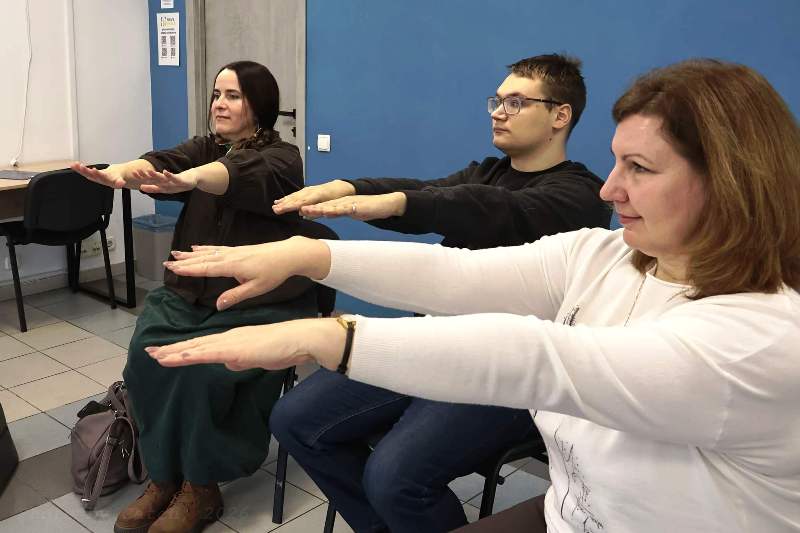
During the training, the participants worked with two levels – bodily experience and personal meanings, exploring the difference between the position of ‘actor of circumstances’ and the position of the author of our own life through practical exercises. They also talked about the difference between control and management: if control is often associated with tension and a sense of pressure, then managing one’s own reactions and decisions, on the contrary, helps to restore internal stability and confidence.
In particular, one of the exercises was visualization, during which the participants, closing their eyes, imagined themselves as ship captains. Everyone experienced this experience in their own way: someone saw large teams, someone saw a lonely journey, someone had pirates appear, and someone had a ship sailing under bright sails. This practice helped to feel that even through imagination, a person is able to regain a sense of control over their own life.
As one of the Dnipro media workers noted, simple everyday actions also help him restore this feeling. Even a few minutes spent making tea can restore a sense of control over one’s own condition. However, he added jokingly, if this is not possible, you can try to imagine this process.
The meeting was dedicated not only to reducing anxiety but primarily to rationally rethinking one’s own role in difficult life circumstances. The point was that a person cannot always change external events, but is able to influence their own perception of the situation, emotional state, and decisions.
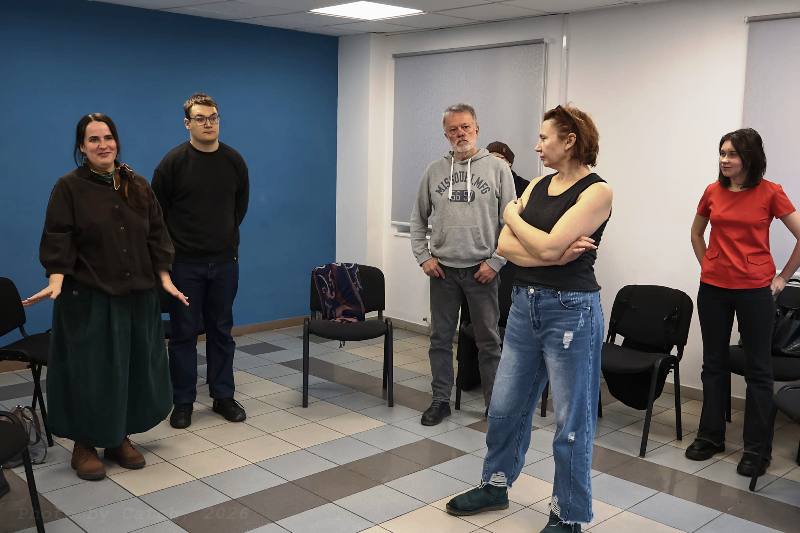
Among the practical tools that the participants mastered were exercises for concentrating attention and awareness of their own choice. One of them involved focusing on a separate object in the room, followed by briefly closing their eyes and changing the object. Another suggested looking around the space, finding the most comfortable place, and taking a comfortable position. Despite their simplicity, such actions help restore an internal sense of control and presence “here and now”.
The key conclusions of the meeting were the realization that tension often arises at an automatic level. At the same time, a sense of control is formed through a conscious choice. And also that it is necessary to manage not the circumstances in which we find ourselves, but the perception of these circumstances and ourselves in them.
The participants highly appreciated both the content of the meeting and the opportunity for professional communication. Dnipro journalist Iryna Avramenko shared her impressions:
“Such a training is more than an educational event. This is a master class on survival in today’s realities from Oleksandr Makukha. Obviously, the enemy is counting on us to break down and accept the state of the victim. But you can choose another position – to remain the author of your life. We do not always choose events, but we can choose our reaction, manage our thoughts, emotions, and decisions. And this is our strength. This training helps to restore a sense of control where chaos seems to prevail, learn to keep inner balance, realize our own resources, and not devalue them.
The event took place within the framework of the project called ‘Expanding Strategies, Networks and Tools in the Field of Mental Health and Burnout Prevention for Civil Society in Ukraine’ together with AramintagUG and Ofis Dii.
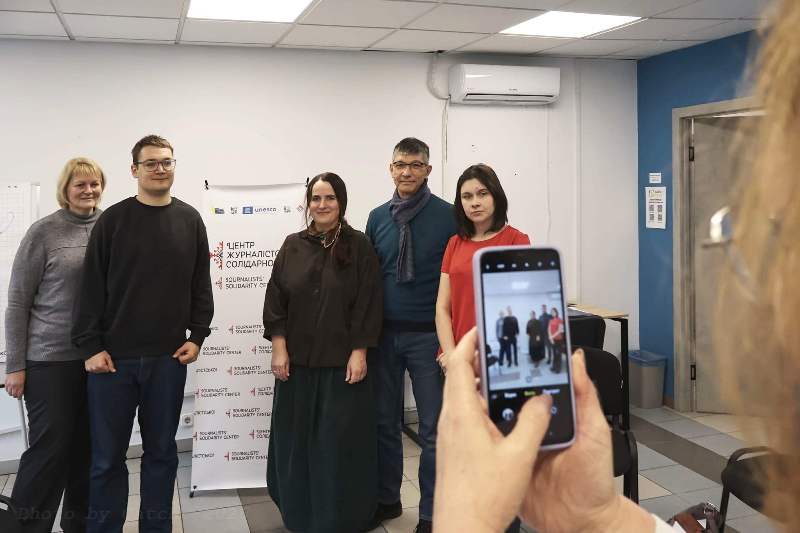
The network of Journalists’ Solidarity Centers is an initiative of the National Union of Journalists of Ukraine, implemented in collaboration with the International and European Federations of Journalists and UNESCO, and with the support of the People of Japan. Our primary goal is to assist media professionals working in Ukraine during the war. The Centers are active in Kyiv, Kharkiv, Zaporizhzhia, Dnipro, Lviv, and Ivano-Frankivsk. The project is part of UNESCO’s broader efforts to support the Safety of Journalists and Freedom of Expression in Ukraine.
Contact the Dnipro JSC at 050 919 8479 (Nataliya Nazarova, the coordinator of the Dnipro JSC).
Oleksandr Komaruk
Photo by Viktor Kachanov








Discussion about this post