

 THE NATIONAL UNION OF
JOURNALISTS OF UKRAINE
THE NATIONAL UNION OF
JOURNALISTS OF UKRAINE
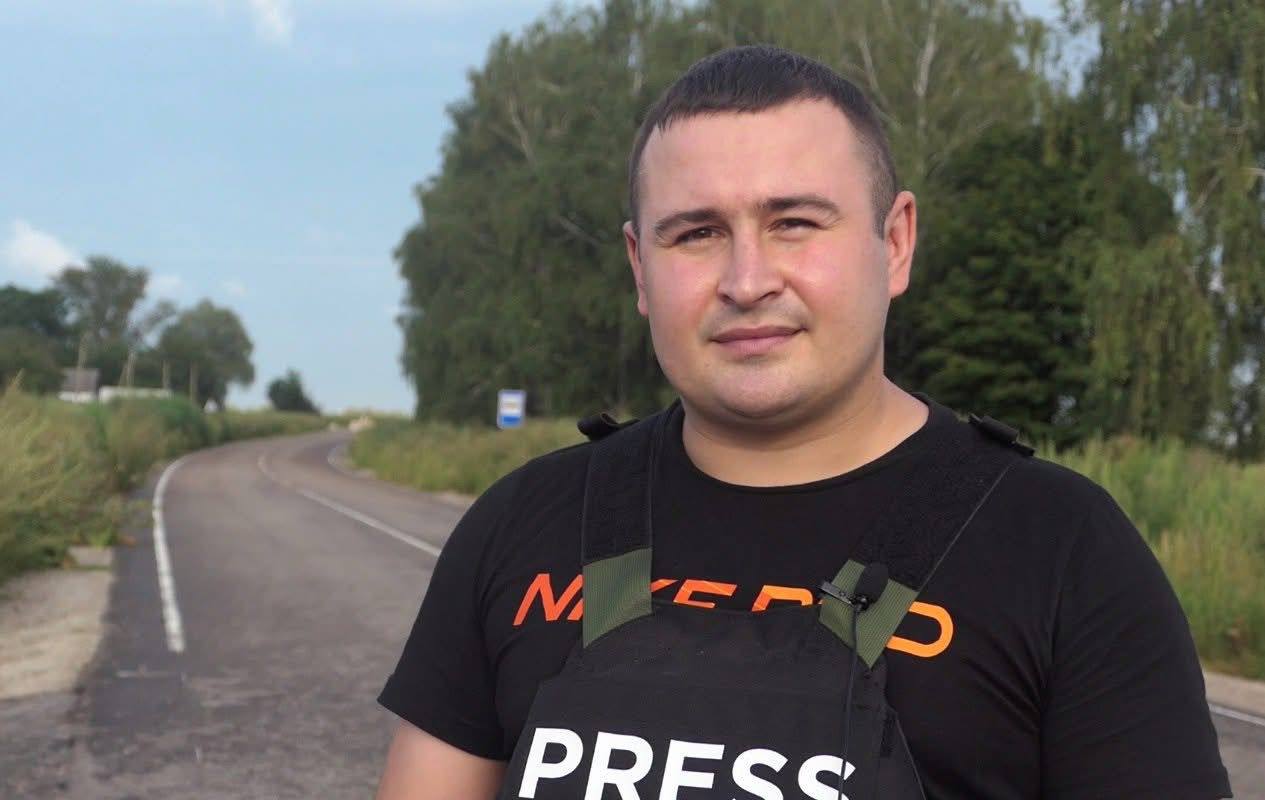
From a volunteer project to a powerful convergent media uniting six websites, a newspaper, and a top YouTube channel. That is the path taken by a team in the Sumy Region. In conditions when the regional center is over 200 kilometers away, and the border with the aggressor is just a few minutes of drone flight, information becomes not just content, but a survival tool. The head of the Center for the Development of Frontline Media, On the Frontier, Oleksandr Solomko, told the National Union of Journalists of Ukraine (NUJU) about working in a zone where news has to be edited in basements.
Between the capital and the front: geography of responsibility
The On the Frontier agency works in ten communities. All of them have the status of a zone of possible combat operations, and eight of them directly border the Kursk and Bryansk Oblasts of the russian federation.
Oleksandr Solomko, who has been in journalism for 16 years, admits that the team received the status of “war correspondents” unexpectedly in 2022. Today, war is not just a topic for reports; it is everyday life. An editor’s working day can be interrupted by an acquaintance with russian guided bombs, ‘Molniya’ drones, or artillery shelling.
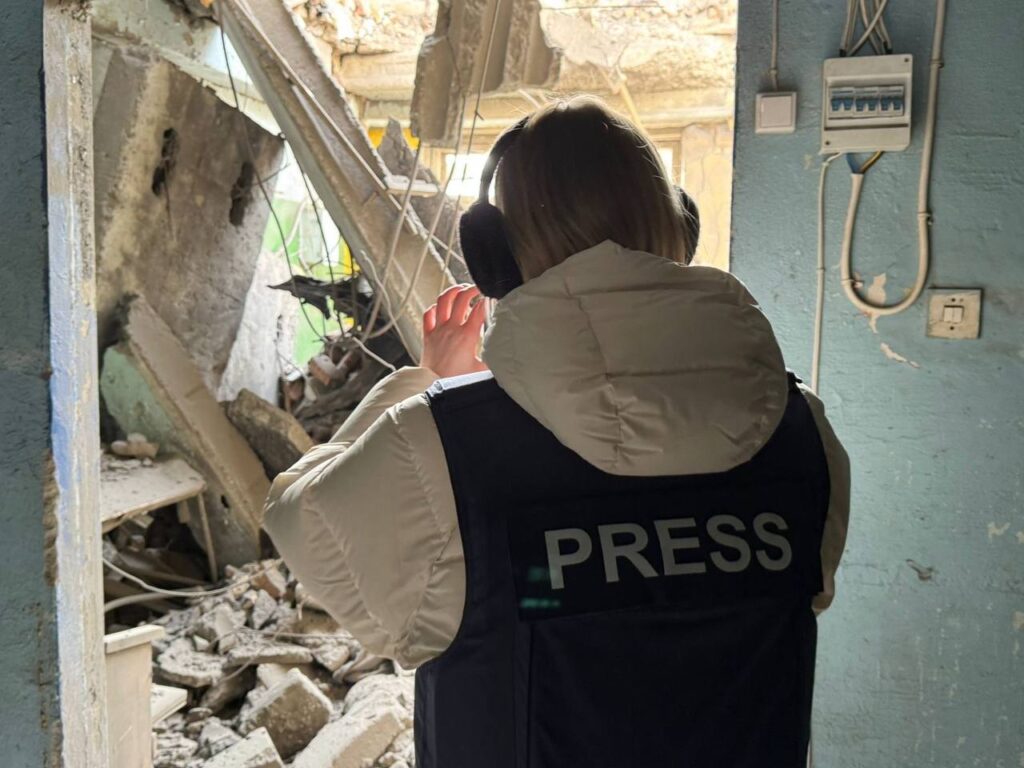
“I have been living on the border for 4 years now, 9 kilometers from the border with russia, from the line of contact, and I face the same problems as all of you. These are power outages, and strikes near the house, and rather unpleasant acquaintances with russian guided bombs, then with ‘Molniya’ drones, then with drones,” says Oleksandr Solomko.
The distance from the regional center – Sumy (over 210 km) creates a certain information vacuum that large regional or metropolitan publications cannot always fill – they do not reach the northernmost points of the country. That is why the agency’s mission is to be the voice of these communities. Today, the Center for the Development of Frontline Media, On the Frontier, has six sites, four of which are included in the map of recommended media in Ukraine, a printed newspaper, and a YouTube channel, which in January collected 800,000 views.
Equipment as a means of survival, not a luxury
The issue of technical support for the frontline newsroom is more acute than for any Kyiv office. Here, the equipment must be mobile, durable, and, most importantly, replaceable.
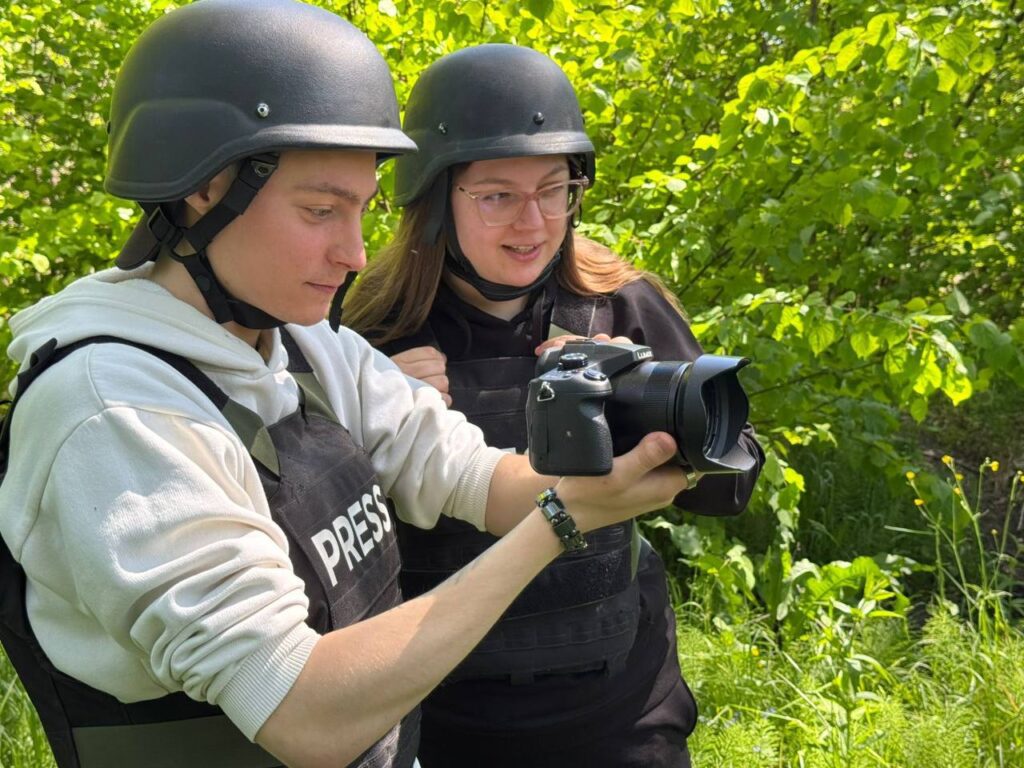
When guided bombs began to be dropped on the city in the summer of 2024, part of the team had to be evacuated. The editorial staff was divided: some filmed ‘in the field’, others processed the footage and edited the video in safer places. During this period, the presenters could record the broadcasts against the background of home interiors or grapes in the garden, without professional lighting and microphones. Paradoxically, the views only increased.
“We concluded that the method of presentation is not important, but how we do it and what we tell is important. And so we made the following conclusion for ourselves. If the situation repeats itself, if we are in a rather difficult situation, we are ready for anything. In such a situation, to produce daily news releases, we only need a small corner in the apartment and a laptop – not too expensive, but not outdated,” explains the head of the media.
Solomko’s main principle is ‘expensive does not always mean high-quality’. For modern frontline journalism, a good smartphone is often enough. This allows us to be faster than our competitors.
The 3-Hour and ‘1-Man’ Journalism Rule
In an ideal world, a whole team works on a story: a cameraman, a correspondent, an editor, an SMM specialist, and a designer. In the realities of the Shostka District, all these functions are often performed by one person. This is not because of the ‘good life,’ but because of the constant threat of shelling and the lack of light for colleagues.
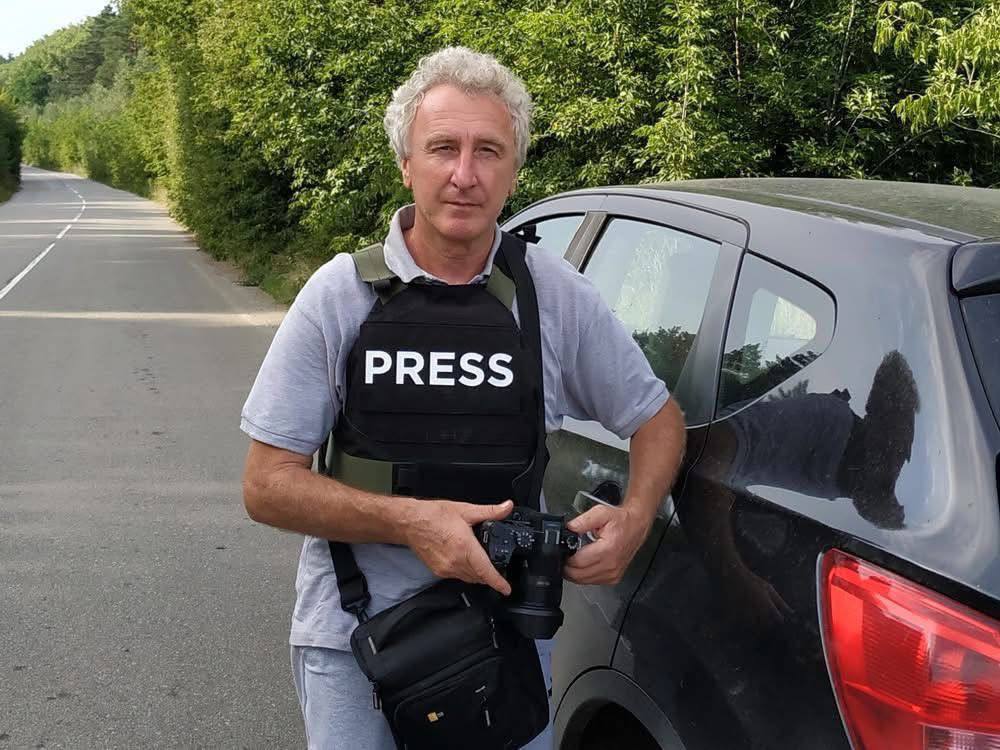
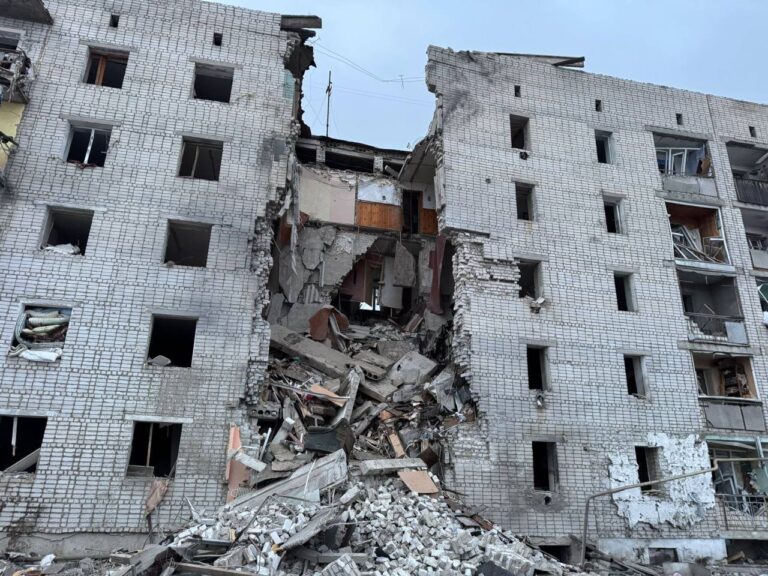
Oleksandr recalls an incident in Hlukhiv, when, after a strike on a five-story building, he and a colleague filmed the aftermath. When a Shahed attack drone was heard again over the city, we had to go down to the basement with the residents. The journalists not only filmed everything that happened in the shelter, but also processed the video right there.
“A full-fledged story was edited in parallel, with voice-over text, with people’s comments. Our task was to convey emotions, convey people’s feelings, their attitude towards each other, and even towards animals. And we also made this story in about 20 minutes. That is, the shaheeds were still flying over the city, and people could already watch our story,” Solomko recalls.
At the same time, the media strictly adheres to the ‘3-hour rule’. If it comes to an arrival at a civilian facility, the information is not made public immediately so as not to endanger the rescuers and police working on the spot. Oleksandr emphasizes the importance of distinguishing between security requirements and attempts by officials to ‘monopolize’ the right to the first news for the sake of PR. In such cases, the newsroom firmly relies on the orders of the Commander-in-Chief of the Armed Forces of Ukraine (AFU) and professional standards.
Digital independence: software and archives
Budget savings force us to look for free but effective solutions. The On the Frontier team actively uses the VN application for video editing. It allows you to apply titles, logos, and make high-quality gluing right on your smartphone. The only cost item in the software is the program for automatic titling (about USD 12 per month), which is critically important for an audience that often watches videos without sound in shelters.
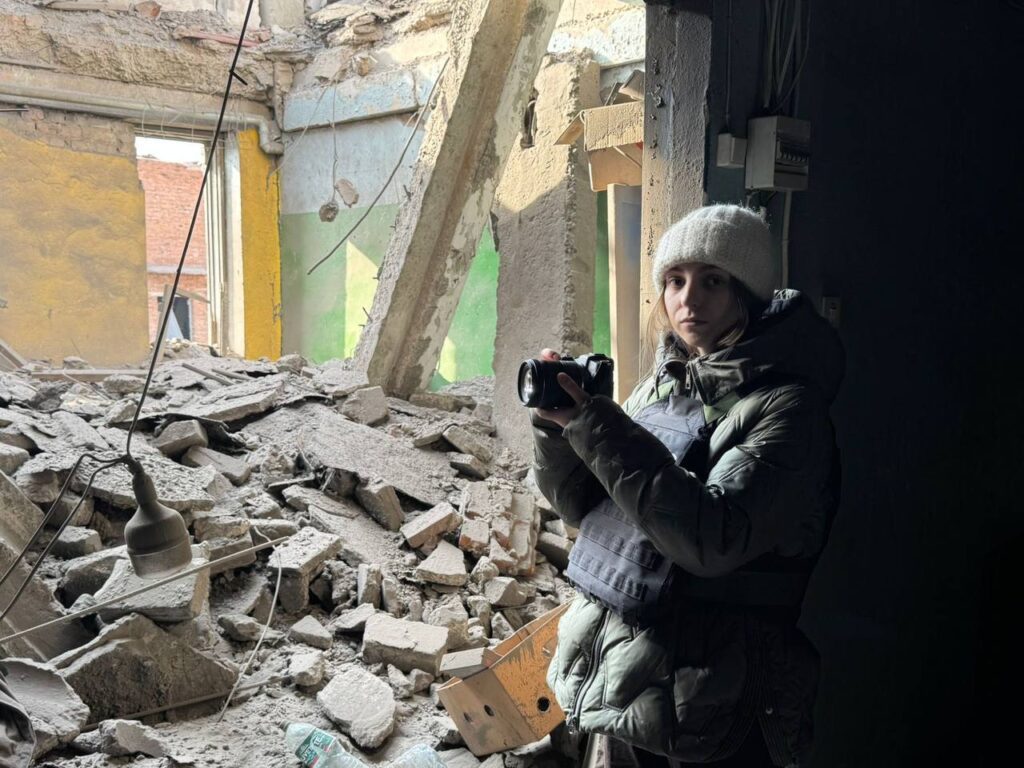
Special attention Oleksandr devotes a lot of time to storing materials. Even those files that have already ‘played’ their role in daily news remain in the editorial archives.
“To be honest, I can’t bring myself to delete the files that are there, because they are historical files. Now it seems that time has passed, they have already lost their relevance, but I believe that in 5-10 years our filmed materials will become the basis of some documentary film,” he says.
Why is video the future of local media?
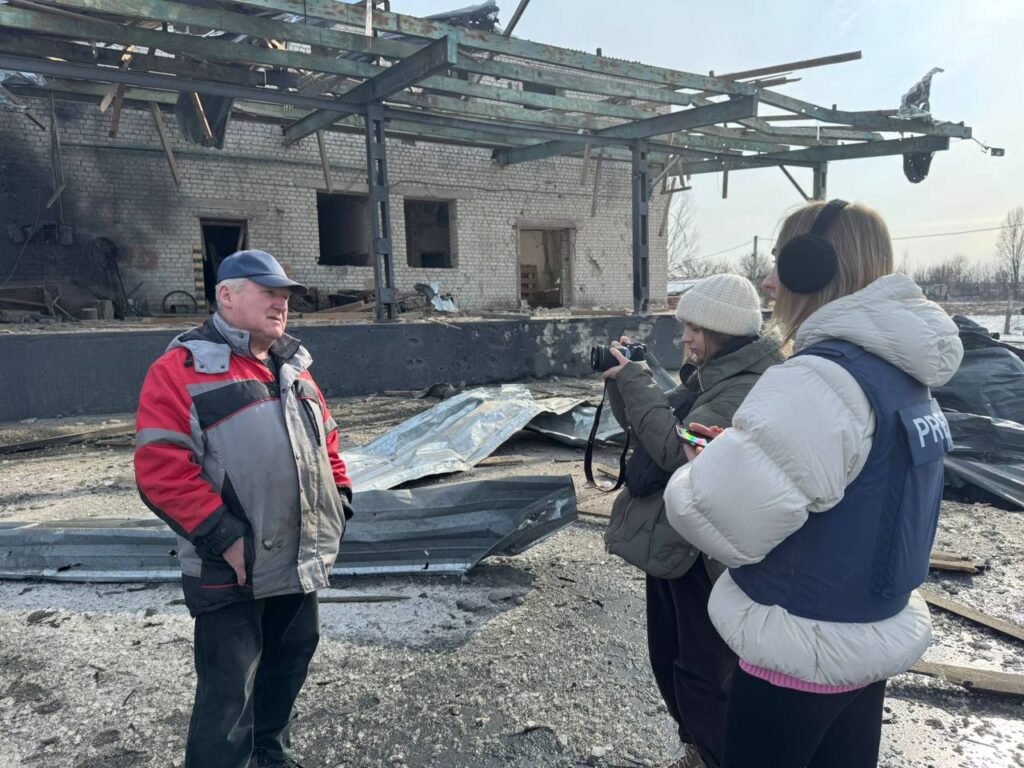
Today, On the Frontier has 22,000 subscribers on Telegram and almost 20,000 on Facebook. However, Oleksandr considers the video format to be key to building trust. When people see a journalist at the scene, hear the live voices of neighbors, and see the real situation in the community, the level of loyalty increases many times over.
The agency’s formula for success is simple: to do more and better than others, to get to places where it is scary or far away. This allowed the small district newspaper to transform into a media group that not only informs, but also maintains a connection between people cut off by war from their usual lives.
Working on the border is not only about geography. It is about the border between safety and duty, between professional equipment and an ordinary smartphone in the hands of a brave person.
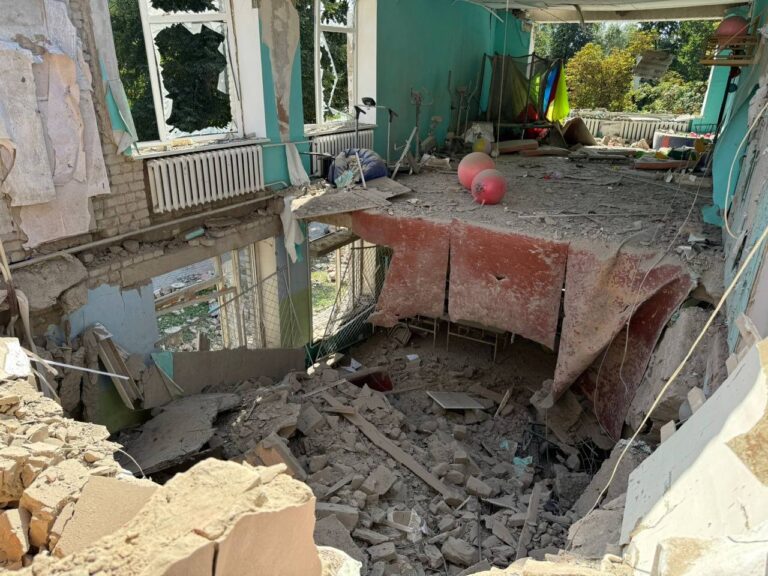
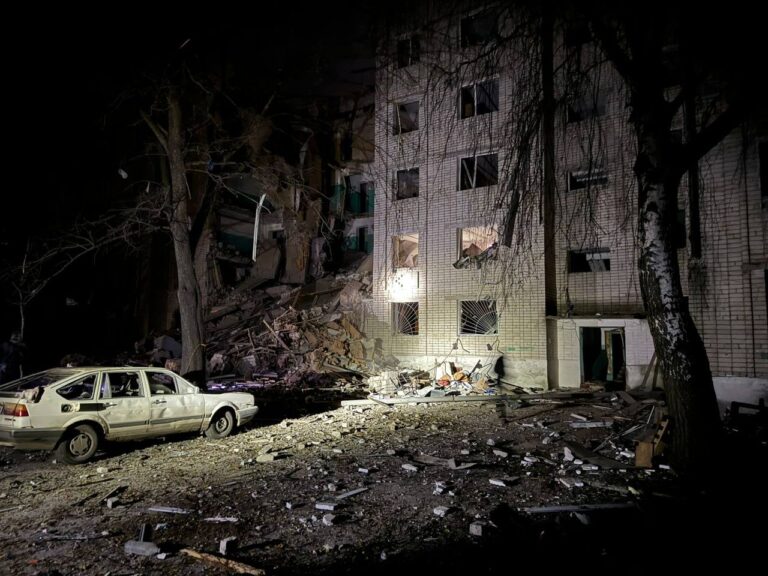
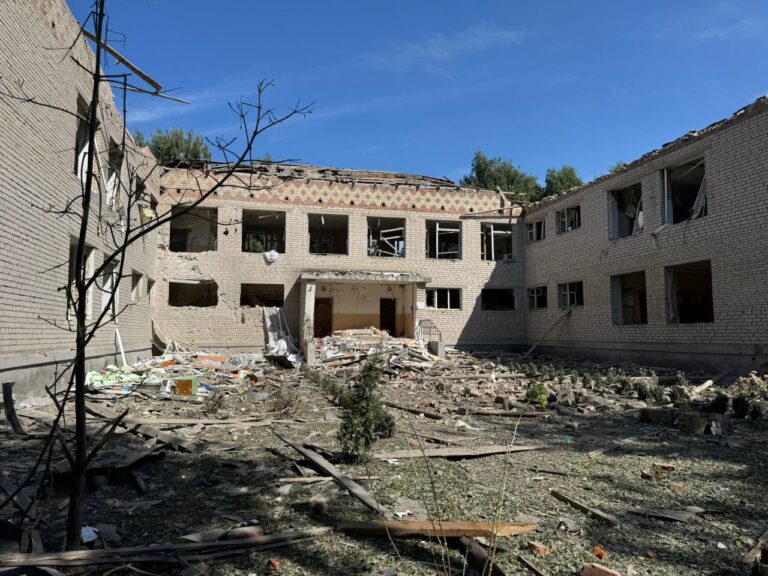
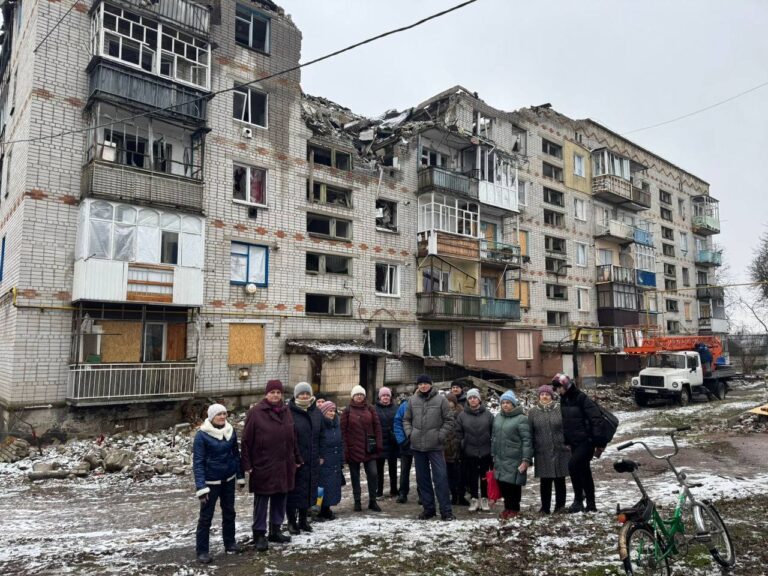
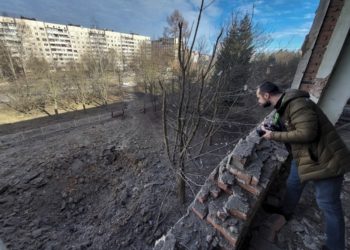
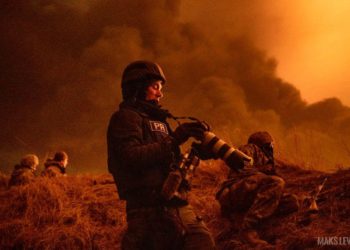
Oleksandr provided us with not only photos by his team for publication, which vividly illustrate work in the current difficult conditions, but also several more photos depicting destruction after enemy attacks, which he commented on as follows: “And these are photos from the places of strikes where we work.”












Discussion about this post