 THE NATIONAL UNION OF
JOURNALISTS OF UKRAINE
THE NATIONAL UNION OF
JOURNALISTS OF UKRAINE
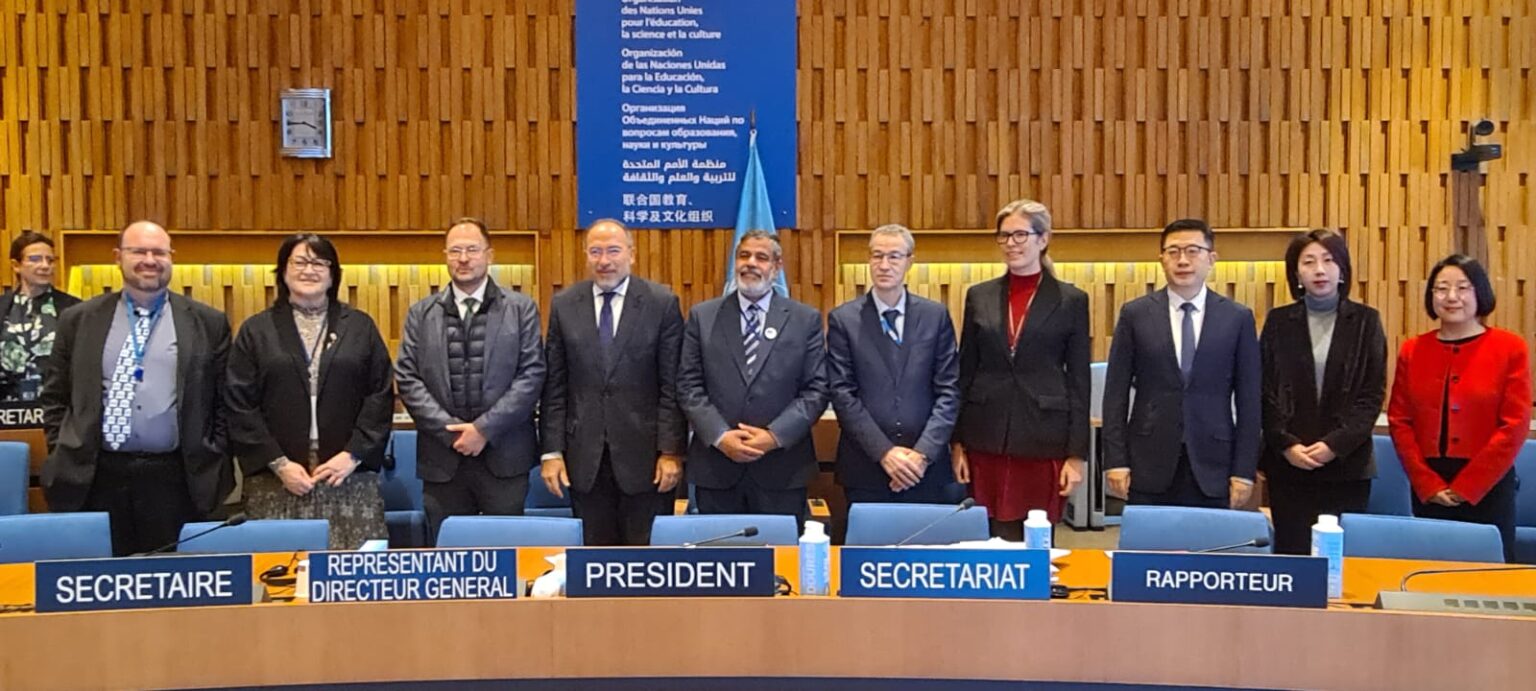
Improving the work of the UNESCO Observatory of Killed Journalists involves “operational security mechanisms, resources for displaced newsrooms, training for working in conditions of increased risk and support for the long-term sustainability of the media,” notes Olha Herasymiyuk, the head of the National Council of Ukraine on Television and Radio Broadcasting.
During the extraordinary sessions of the Intergovernmental Councils of the UNESCO Information for All Programme (IFAP) and the International Programme for the Development of Communication (IPDC), the head of the National Council suggested that partners identify the key areas on which the IPDC should focus in the near future: communication development programmes, expanding support for journalists and media working in areas of risk and armed conflict. This is stated in the message of the National Council.
Separately, Olha Herasymiyuk highlighted the importance of updating the approaches used by the UNESCO Observatory. This global database has been documenting cases of deaths of media workers since 1993. It has been monitoring the progress of legal proceedings since 2006.
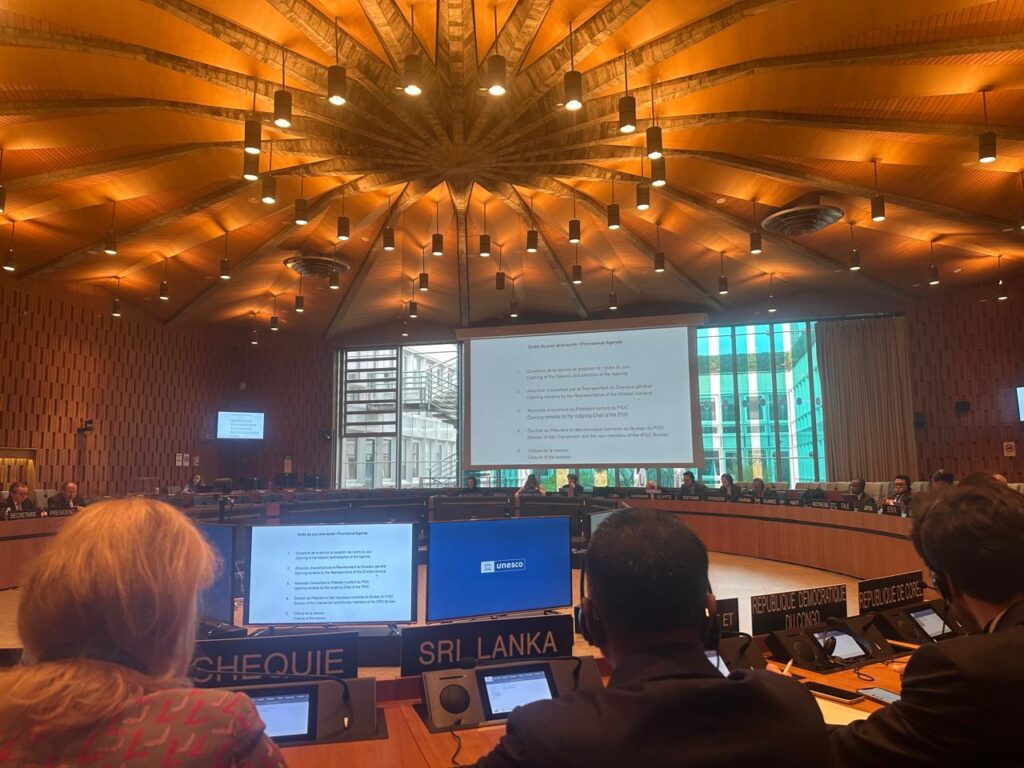
She emphasized that Ukrainian practice demonstrates: in order for the Observatory’s data to be complete and legally correct, the system of collecting and transmitting information must take into account the realities of occupied territories, where state bodies do not have access. This requires clearer legal procedures, deeper contextual analysis, and updated standards of evidence adapted to war conditions.
Yuliya Turovets
NUJU Information Service







Discussion about this post